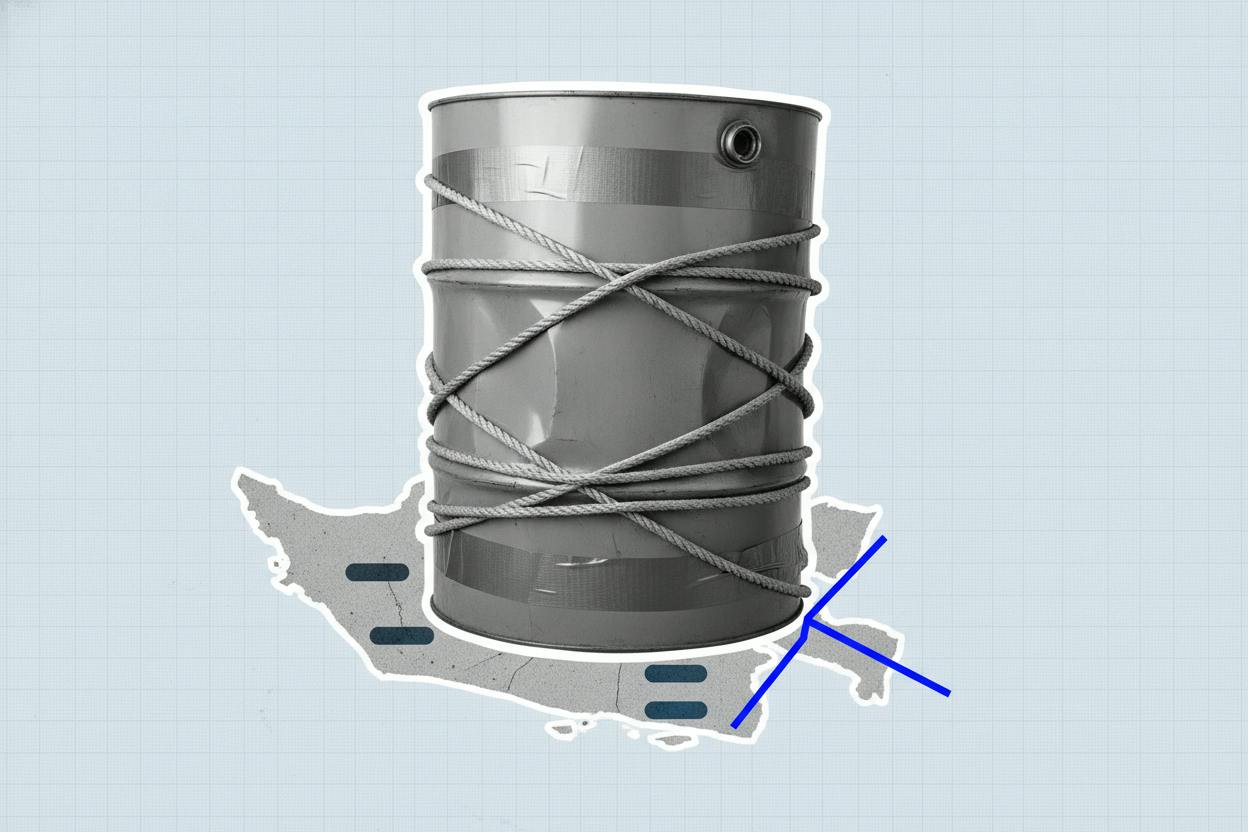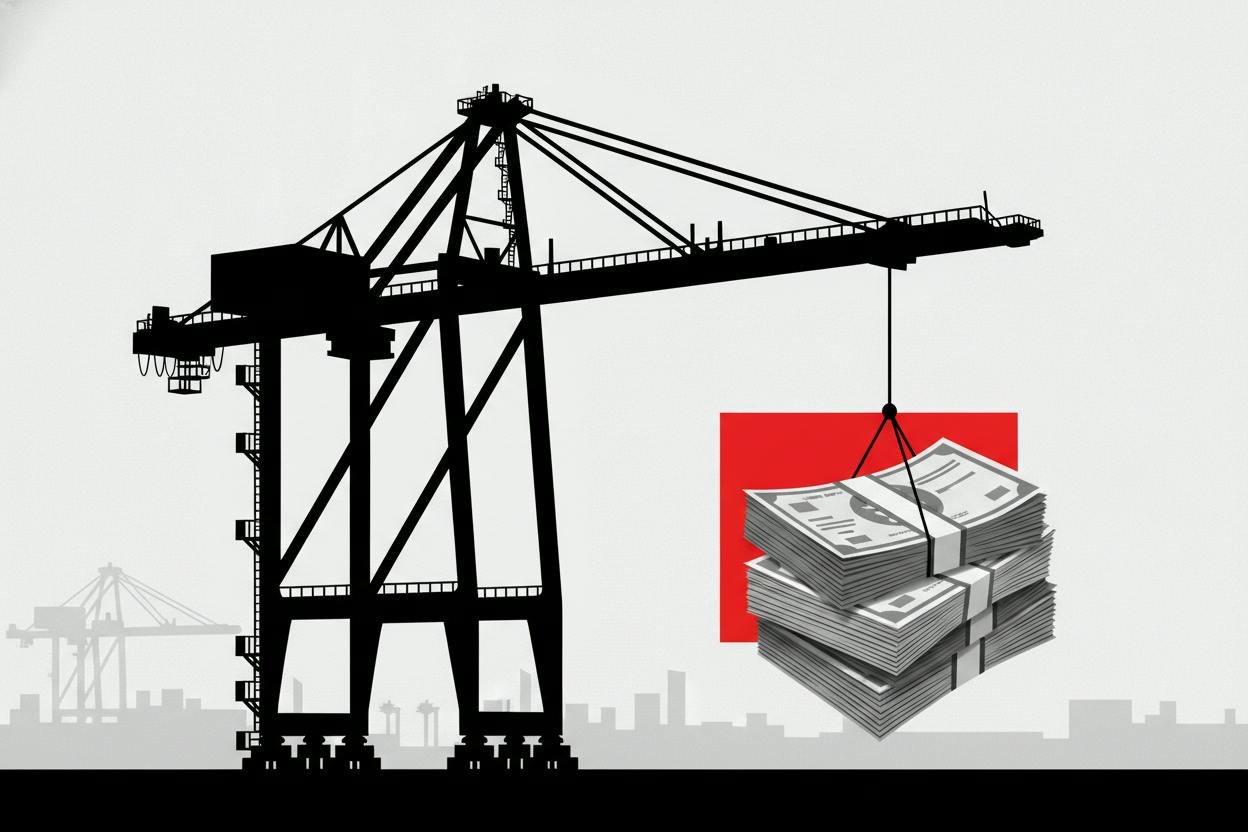
India's Adani Group says it has lined up about $120 billion of spending over the next five years, with the bulk of that money earmarked for energy projects. The conglomerate's executives told Fortune India that roughly 70% of the planned capital expenditure will go into energy, with most of the rest aimed at transport and logistics, and a smaller slice for adjacent businesses like cement and metals.
That works out to more than $20 billion a year across the group's portfolio—a pace that would make it one of the largest corporate investment programs in India. The plan, if carried out, could take Adani's asset base to 18 trillion rupees and lift earnings before interest, taxes, depreciation, and amortization (EBITDA) to 2.6–3.0 trillion rupees within five years, according to the company.
Why the funding strategy matters
Big infrastructure programs like this tend to be front-loaded: the cash goes out long before ports, power plants, or renewable projects generate steady revenue. That usually means relying on a mix of project finance and corporate borrowing, where the total price of funding is driven by interest rates and the extra premium lenders charge a company—its credit spread.
For Adani, the scale of the plan puts its funding costs under the microscope. If spending ramps up before cash flows do, lenders and bond investors become part of the story. Even small moves in borrowing rates or credit spreads can change the math on long-life projects, because interest costs compound over many years. So the swing factor for Adani isn't only whether new assets hit their operating targets; it's whether the group can keep access to long-dated funding stable enough that rising EBITDA doesn't get eaten up by higher interest bills.
The group has been expanding aggressively across ports, power, renewables, and green hydrogen, often competing with global players. Its ability to secure financing at reasonable rates will be crucial, especially in a global environment where central banks have been cautious about cutting rates. High borrowing costs have already tested other capital-intensive buildouts, and Adani's plan is no exception.
What it means for investors
For everyday investors, the Adani story is less about picking a stock and more about understanding how large infrastructure bets play out. When a company commits to a multi-year spending spree, the early years often show rising debt and flat or even falling profits, because interest and depreciation eat into earnings. The payoff, if it comes, arrives later—when the new assets start generating cash.
That means the key metrics to watch are not just revenue growth, but the cost of borrowing and the company's ability to refinance debt as it comes due. A widening credit spread—the extra yield investors demand to hold a company's bonds—can signal rising risk and make future borrowing more expensive. Conversely, stable or narrowing spreads suggest lenders are comfortable with the plan.
Adani's plan also comes at a time when India is pushing to expand its energy infrastructure, including renewables and grid upgrades. The country's growing power demand makes energy a strategic sector, but it also means competition for capital. Indian bond markets have been busy with issuers, and Adani will be one of the largest borrowers.
For investors, the takeaway is that Adani's $120 billion plan is a bet on India's long-term growth, but it's also a test of financial discipline. The group's ability to execute on time and on budget, while keeping financing costs in check, will determine whether the expansion creates value for shareholders or just adds to the debt pile.
In the near term, markets will likely focus on any updates on funding agreements, bond issuances, or project milestones. Companies with large cash reserves can weather such buildouts more easily, but Adani is relying on external capital. That makes the interest rate environment and investor sentiment toward Indian infrastructure critical.
Ultimately, the $120 billion plan is a statement of ambition. Whether it becomes a success story depends on how smoothly Adani can finance the buildout—and whether the new assets deliver the returns that justify the upfront spending.