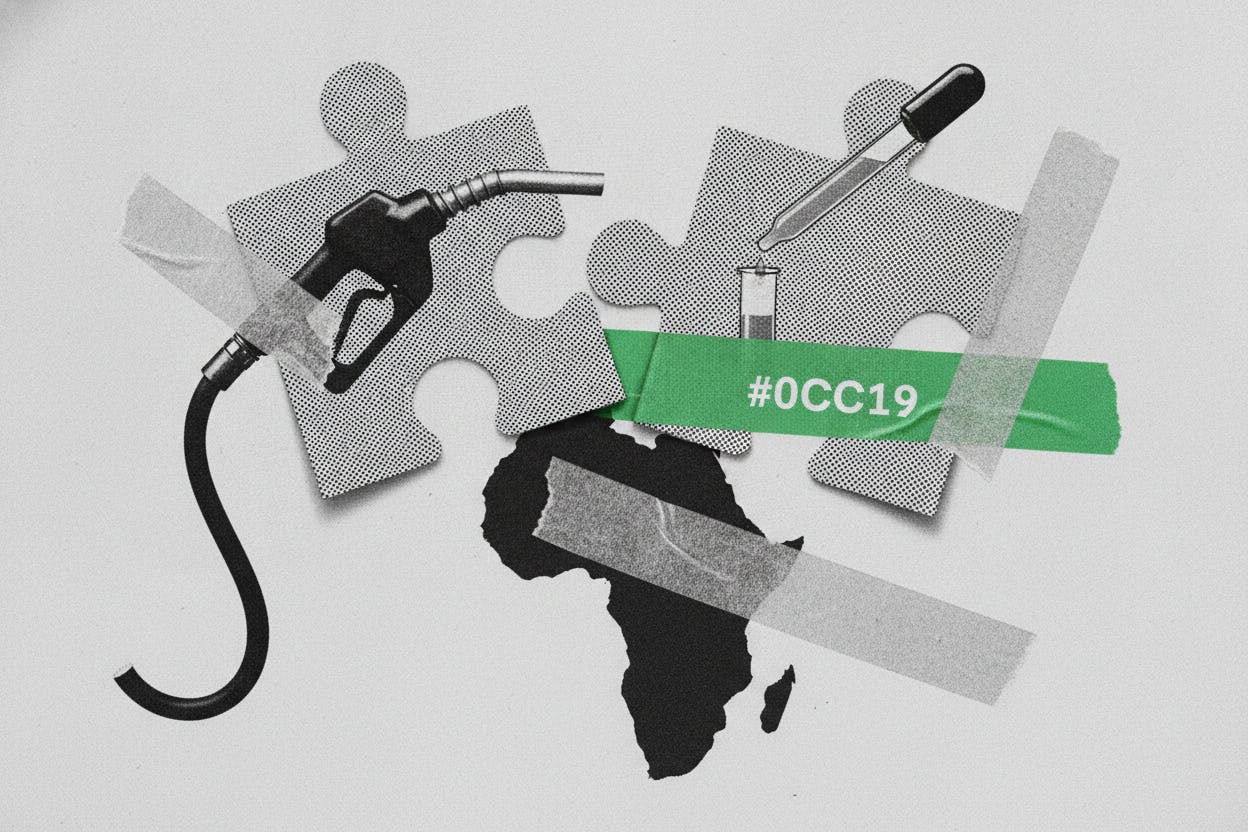
Tuesday saw a flurry of merger and acquisition activity, with two major deals totaling roughly $11 billion announced across the energy and healthcare sectors. ADNOC Distribution, the fuel retail arm of the Abu Dhabi National Oil Company, agreed to acquire Shell's downstream business in South Africa for about $1 billion. Meanwhile, Vertex Pharmaceuticals, a biotech giant, lined up a roughly $10 billion purchase of Crinetics Pharmaceuticals, a smaller biotech firm focused on endocrine diseases.
ADNOC Distribution Expands in Africa
ADNOC Distribution's acquisition of Shell's South Africa downstream unit includes a network of fuel stations, lubricants, and other fuel-related assets. This move marks a significant expansion for ADNOC Distribution into the African market, a region with growing energy demand. For Shell, the sale is part of a broader strategy to streamline its portfolio and focus on higher-growth areas like liquefied natural gas (LNG) and renewable energy. Shell has been actively reshaping its business, as seen in recent moves like raising its Q2 LNG output forecast and boosting its gas trading outlook.
The deal is valued at about $1 billion, a price that reflects the strategic value of Shell's established fuel retail network in South Africa. For everyday investors, this transaction underscores the ongoing shift in global energy markets, where state-owned oil companies from the Middle East are increasingly looking to acquire downstream assets in emerging markets. It also highlights Shell's continued focus on capital discipline and portfolio optimization.
Vertex Makes a $10 Billion Bet on Endocrine Drugs
In the biotech space, Vertex Pharmaceuticals announced a roughly $10 billion deal to acquire Crinetics Pharmaceuticals. Crinetics is known for its work on treatments for endocrine disorders, including acromegaly and other hormone-related conditions. This acquisition is a major bet for Vertex, which has long been dominant in the cystic fibrosis market but is seeking to diversify its pipeline.
Vertex's move comes as the company looks to expand beyond its core cystic fibrosis franchise, which has been a massive revenue driver but faces eventual competition. The $10 billion price tag for Crinetics is substantial, reflecting the potential of its lead drug candidate, paltusotine, which is in late-stage trials for acromegaly. For investors, this deal signals Vertex's confidence in the future of endocrine therapies and its willingness to use its strong balance sheet to acquire promising assets. The acquisition is part of a broader trend of large biotech firms buying smaller players to bolster their pipelines, as seen in other recent M&A activity in the sector.
What It Means for Investors
Tuesday's deal-making highlights a busy period for mergers and acquisitions, with companies across sectors using their cash reserves to pursue growth. For investors, these transactions offer several takeaways:
- Energy sector consolidation: ADNOC's purchase of Shell's South Africa assets shows that state-owned oil companies are actively expanding their downstream presence in Africa. This could lead to further deals in the region, as other players seek to secure fuel retail networks.
- Biotech M&A momentum: Vertex's acquisition of Crinetics is a reminder that large biotech firms are willing to pay premium prices for promising drug candidates. This can be a positive signal for investors in smaller biotech companies, as it suggests a healthy market for acquisitions.
- Portfolio diversification: Both deals reflect a strategic push by the acquirers to diversify their businesses. Vertex is moving beyond cystic fibrosis, while ADNOC is expanding geographically. Investors should watch how these companies integrate their new assets and whether the deals deliver on their promised growth.
Overall, the M&A activity on Tuesday suggests that corporate confidence remains high, with companies willing to make large bets on future growth. For everyday investors, these deals can provide insight into where major players see opportunities, whether in emerging markets like South Africa or in specialized areas of healthcare like endocrine disorders.