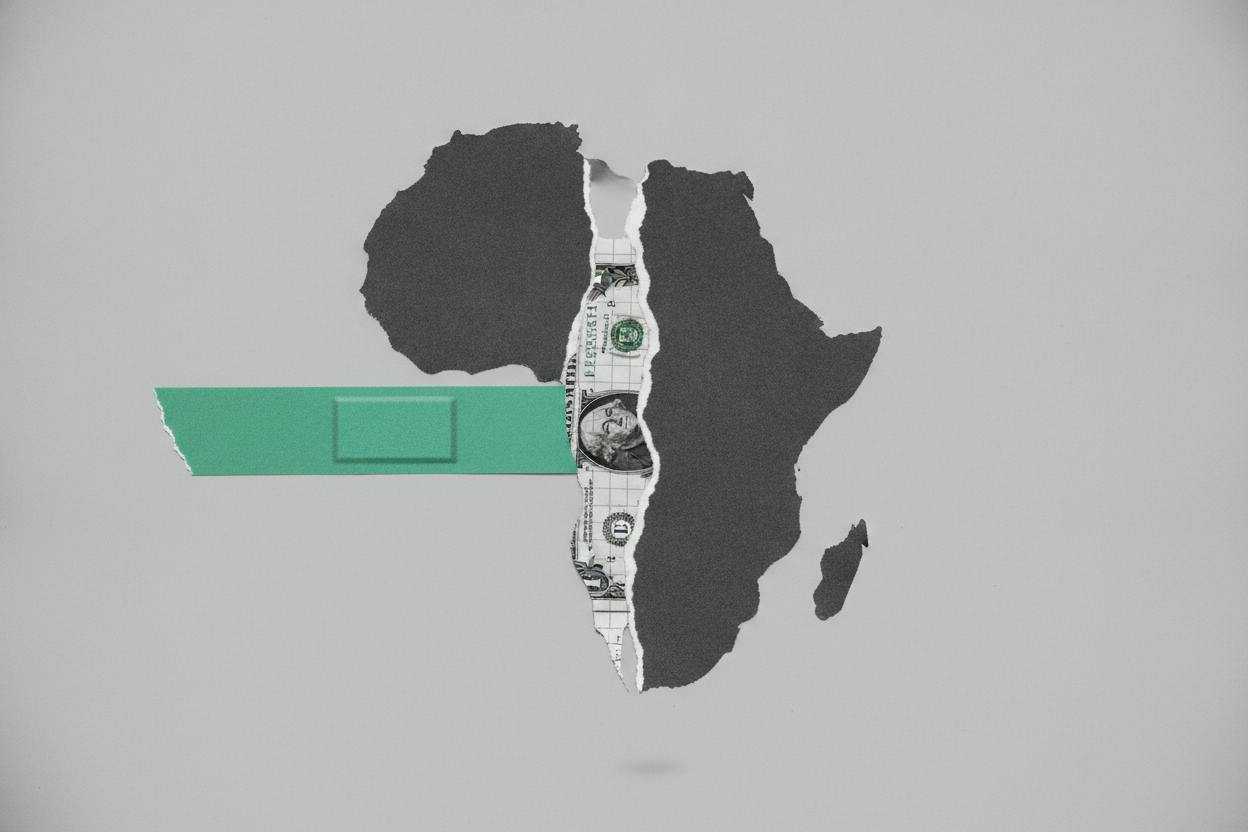
African currencies are heading in different directions this week, with traders expecting Ghana's cedi and Zambia's kwacha to lose ground against the US dollar, while Kenya's, Nigeria's, and Uganda's currencies may hold steadier. The split reflects uneven demand for dollars across the continent, as well as differences in how much support central banks are willing to provide.
Why the split?
The key factor is who needs dollars and how easily they can get them. In Ghana, traders say corporate demand for dollars is outpacing what banks can supply. The cedi has already slipped to around 11.70 per dollar, compared with 11.65 a week earlier. Andrews Akoto, a trader at Absa Bank Ghana, expects that pressure to continue as businesses in services and commerce keep buying dollars to pay for imports and other obligations.
Zambia's kwacha has also been drifting weaker, though the brief does not specify the exact level. The kwacha has faced similar challenges, with demand for dollars from importers and other businesses exceeding supply.
In contrast, Kenya, Nigeria, and Uganda are seen as more stable. Their central banks have been active in supporting their currencies, and fresh inflows—such as remittances, foreign investment, or export earnings—are helping to balance the market. This support can take the form of direct intervention, where the central bank sells dollars to meet demand, or policy measures that encourage inflows.
What this means for investors
For everyday investors, currency moves matter because they affect the value of investments denominated in local currencies, the cost of imported goods, and the returns on foreign holdings. A weakening currency can erode the local-currency value of dollar-based assets, while a stable currency provides more predictability.
If you hold investments in Ghana or Zambia, a weaker cedi or kwacha means your returns in dollar terms could be lower, even if the local market performs well. On the other hand, stable currencies in Kenya, Nigeria, and Uganda offer some protection against exchange-rate losses, though they do not guarantee positive returns.
Central bank support can be a double-edged sword. While it helps stabilize currencies in the short term, it can also drain foreign exchange reserves, which are finite. If reserves run low, the support may not be sustainable, and currencies could face sharper adjustments later.
Broader context
The dollar's strength is a major backdrop for these moves. Recently, the US dollar hit a 19-month high on expectations that the Federal Reserve will keep interest rates higher for longer. A stronger dollar makes it more expensive for emerging-market currencies to hold their value, as investors often move money into dollar-denominated assets. This dynamic has been a recurring theme for African currencies, which are particularly sensitive to global capital flows.
At the same time, some African countries are benefiting from higher commodity prices or improved export earnings, which can bring in dollars and support their currencies. The unevenness across the continent reflects these differing fundamentals.
What to watch next
Traders will be watching whether Ghana's central bank steps in to defend the cedi, and whether Zambia's kwacha finds a floor. For Kenya, Nigeria, and Uganda, the question is how long central bank support can last and whether inflows remain strong.
Investors should also keep an eye on US economic data and Federal Reserve policy signals, as these drive the dollar's direction. A stronger dollar tends to put more pressure on African currencies, while a weaker dollar could ease some of the strain.
For those with exposure to African markets, diversification across countries can help manage currency risk. But as always, it's important to understand the specific factors affecting each currency rather than treating the continent as a single bloc.
In summary, the next week is likely to see continued divergence: the cedi and kwacha may weaken, while the Kenyan shilling, Nigerian naira, and Ugandan shilling hold their ground. The outcome will depend on how dollar demand evolves and how much support central banks are willing to provide.



