Agfa-Gevaert, the Belgian imaging and printing company, saw its stock jump on Monday after announcing a deal to merge its Digital Printing Solutions business with Electronics for Imaging (EFI), a company controlled by private equity firm Siris. The move is the latest step in a consolidation wave across the printing industry, as companies look to scale up to compete in a market that is increasingly driven by technology and software.
What the deal involves
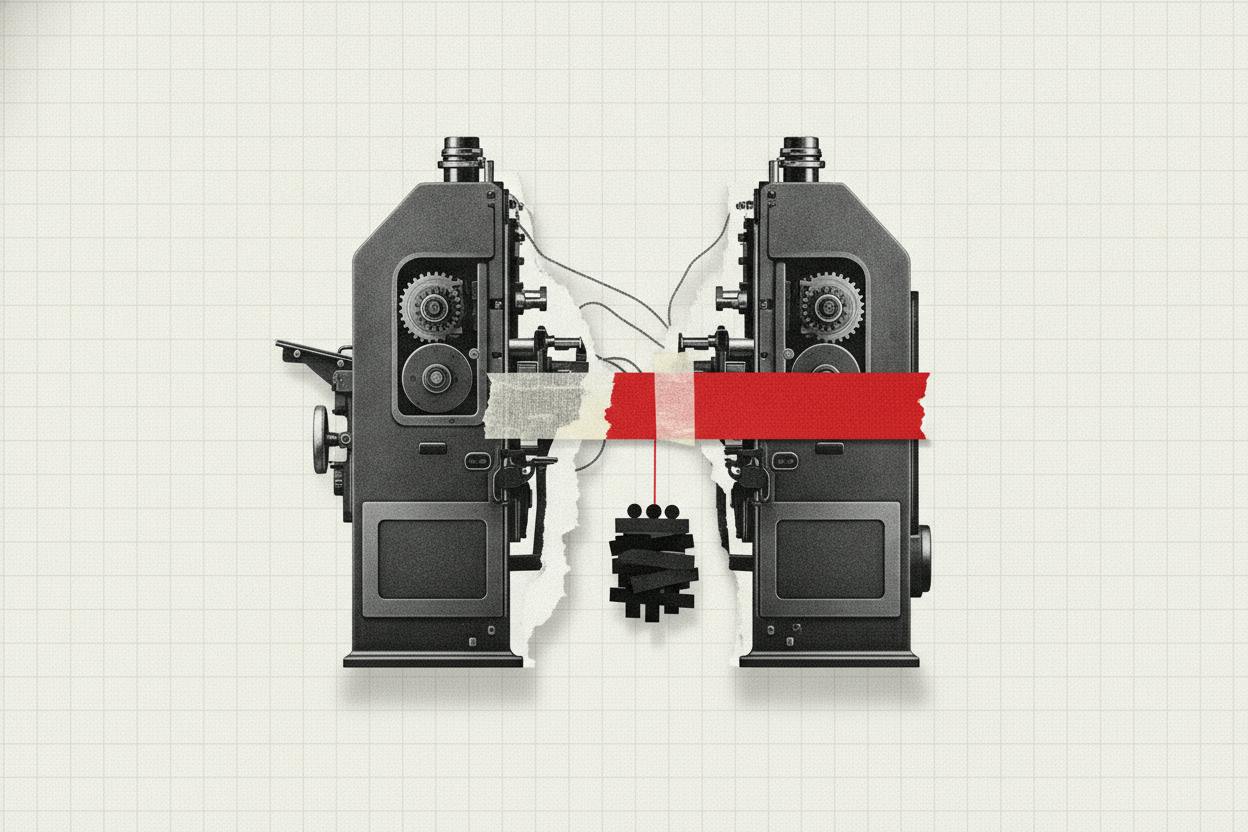
The two companies had already partnered in 2024, but this agreement goes much further. Under the terms, Agfa's digital printing unit and EFI will be combined into a single business that brings together their industrial inkjet products, software, and supplies. The goal is to create a company large enough to compete effectively on a global scale, offering customers a more complete package of hardware and services.
The new entity will be 40% owned by Agfa and 60% by a Siris affiliate. However, despite that ownership split, both sides will have equal governance rights. That means major decisions will likely require consensus rather than one owner having the final say. This structure is designed to protect Agfa's interests while still giving the business the financial backing and operational expertise of a private equity partner.
The combined business is targeting 540 million euros in pro forma revenue by 2026. Pro forma revenue is a way of estimating what the combined company would have earned if it had been one entity for the full year, and it gives investors a sense of the scale of the new operation.
Why this matters for the printing industry
The printing sector has been under pressure for years as digital media has eaten into traditional print volumes. But industrial inkjet printing—used for everything from packaging and labels to textiles and signage—remains a growth area. Companies in this space are investing heavily in faster, more efficient machines and in the software that runs them.
By merging, Agfa and EFI are betting that a bigger, more integrated company can win more customers and drive down costs. The deal also reflects a broader trend of consolidation in the industry, as mid-sized players seek to combine forces to better compete with larger rivals. For Agfa, the deal allows it to share the financial burden of developing new technology while keeping a stake in the upside.
What it means for investors
For everyday investors, the immediate takeaway is that Agfa's stock reacted positively to the news, suggesting the market sees the deal as a good move. The merger could help Agfa focus on its more profitable businesses while giving its printing unit a stronger partner. However, it's worth noting that the deal is not a full exit for Agfa—it retains a significant minority stake and a say in how the business is run.
Investors should also be aware that deals like this often take time to close and to deliver results. The 540 million euro revenue target is a projection, not a guarantee. And while the equal governance structure is meant to ensure both sides work together, it could also lead to slower decision-making if the two owners disagree.
For those holding Agfa shares, the key things to watch are the closing of the deal, any regulatory approvals, and how the combined business performs against its revenue goals. For those not invested, the deal is a reminder that the printing industry is still evolving, and that companies are finding new ways to adapt to a digital-first world.
This is not the only recent example of companies reshaping themselves through deals. In other sectors, we've seen similar moves, such as Nubank's reported interest in buying UK digital bank Monzo and Gen Digital's talks with GoDaddy, which signal a broader appetite for strategic consolidation. Even in the aerospace industry, Airbus is weighing asset sales to ease regulatory scrutiny of its space merger. These examples show that deals are often about positioning for the future, not just about immediate gains.
As with any corporate transaction, the details matter. Investors should read the full terms when they become available and consider how the deal fits into Agfa's overall strategy. The company has been working to streamline its operations, and this merger could be a key part of that plan.
In the meantime, the market's positive reaction suggests that investors are cautiously optimistic. But as always, it's wise to keep an eye on the long-term fundamentals rather than getting caught up in the day-to-day share price movements.