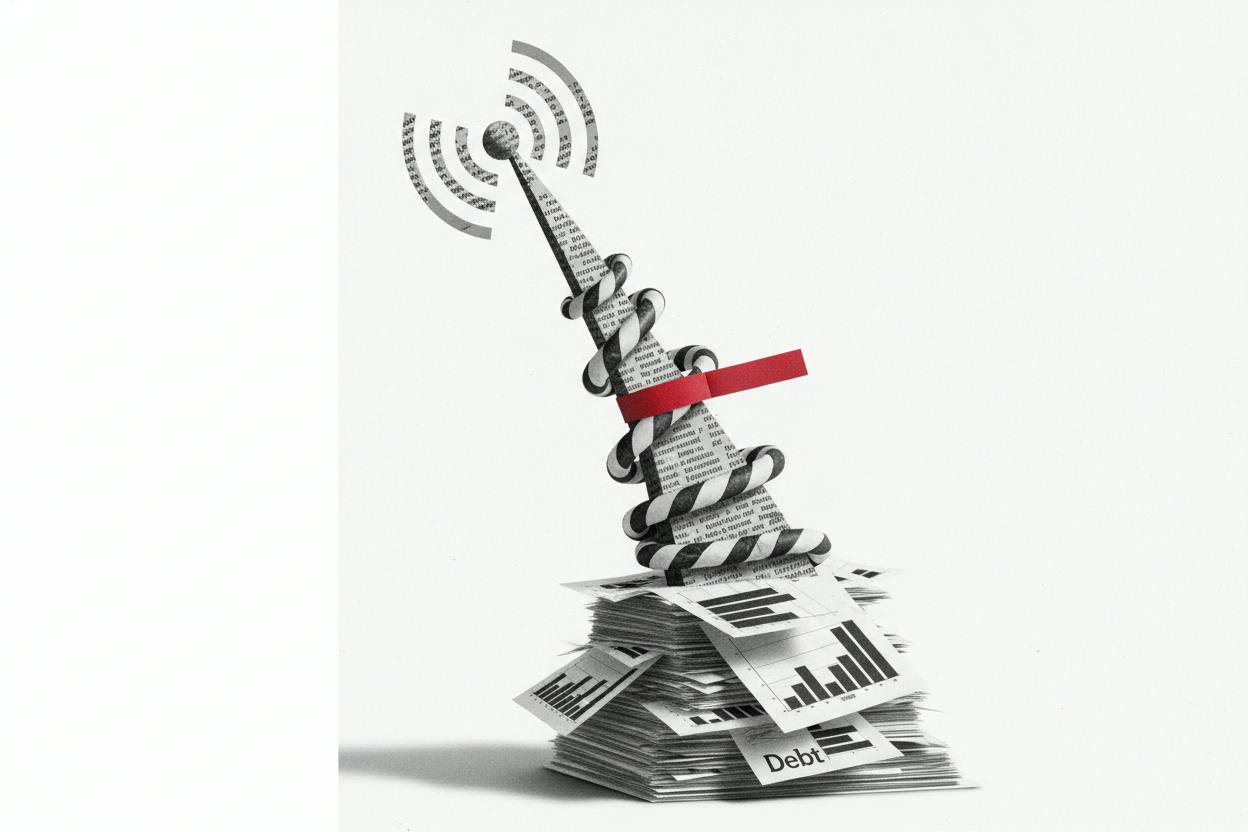
Wall Street's appetite for AI-related debt is cooling fast. After a $2.5 trillion selloff in the Nasdaq 100, lenders are stepping back from financing data centers and so-called “neocloud” startups—even when those deals come with guarantees from some of the biggest names in technology.
The shift marks a sudden change in mood. Just a few weeks ago, AI infrastructure deals were among the hottest tickets in private credit and syndicated lending. Now, banks and direct lenders are re-running their models, asking harder questions, and in some cases walking away entirely.
Why lenders are getting pickier
The trigger was the recent market rout. When the Nasdaq 100—an index of the 100 largest non-financial companies on the Nasdaq—dropped by $2.5 trillion in market value, it sent a clear signal: investors are worried that the AI boom may have gotten ahead of itself. That worry has now spread to the debt markets.
Lenders say the change happened quickly. Deals that looked straightforward a few weeks ago are now being re-modeled for tougher scenarios. Banks are stress-testing data center cash flows and re-reading customer contracts, especially the clauses that let large tech clients scale down or cancel their capacity commitments.
These clauses are crucial. Many data center operators sign long-term contracts with hyperscalers—companies like Amazon, Microsoft, or Google—that guarantee a certain level of revenue. But those contracts often include flexibility for the customer to reduce usage or exit early. In a downturn, that flexibility becomes a risk for lenders, because the cash flows they were counting on may not materialize.
“The market has gone from 'we'll lend on the strength of the name' to 'show us the cash flows and the contract terms,'” said one syndicated loan banker, speaking on condition of anonymity. “It's a much more disciplined environment.”
Supply is rising just as demand cools
This caution comes at a time when the supply of AI-related debt is set to increase. Goldman Sachs Research expects global hyperscaler debt issuance to climb to $420 billion in 2025, up from previous years. Hyperscalers are the massive cloud and data center operators that underpin much of the AI economy.
That rising supply, combined with more cautious lenders, could mean tighter credit conditions for AI infrastructure projects. Borrowers may face higher interest rates, stricter covenants, or smaller loan sizes. Some deals may simply not get done.
The pullback is not limited to the riskiest corners of the market. Even deals backed by big-name tech guarantees are getting a second look. Lenders are asking whether those guarantees are as solid as they appear, especially if the guarantor's own stock has been hit by the selloff.
This is a notable shift. Earlier in the AI boom, lenders were often willing to underwrite deals based largely on the reputation of the tech giant behind them. Now, they want to see the underlying economics.
What it means for investors
For everyday investors, this is a signal that the AI trade is entering a more mature, more skeptical phase. The easy money era—when any AI-related project could attract funding—is over. That could have ripple effects across the market.
First, it may slow the pace of AI infrastructure buildout. If data center operators can't get financing as easily, they may delay or cancel projects. That could affect the entire supply chain, from chipmakers to construction firms.
Second, it could pressure the valuations of AI-related stocks. The Nasdaq selloff was partly driven by fears that AI spending is growing faster than actual revenue. If debt financing tightens, those fears could intensify.
Third, it may create opportunities for more disciplined investors. Companies with strong cash flows and solid contracts may be able to secure financing on better terms than weaker rivals. That could separate the winners from the losers in the AI space.
For those with exposure to AI stocks or funds, the key is to watch how lenders respond in the coming weeks. If the pullback deepens, it could be a sign that the market is repricing AI risk more broadly. If it stabilizes, it may just be a temporary bout of caution.
As always, it's important to remember that markets move in cycles. The AI boom is not over, but it is becoming more selective. That's not necessarily a bad thing—it could lead to more sustainable growth in the long run.
For now, the message from Wall Street is clear: AI debt deals will face a tougher crowd. Lenders want to see real cash flows, not just promises. And that's a healthy development for the market as a whole.