US stock futures slipped on Tuesday as investors continued to digest the hefty price tag of building artificial intelligence, while a report that SpaceX is exploring a nationwide wireless carrier plan sent telecom stocks in opposite directions.
The moves come after a rough stretch for technology shares, driven by growing concerns about how much it costs to fund the data centers, chips, and power that AI requires. The worry is not just about demand—it's about the balance sheets of the companies doing the spending.
The AI funding question
This week's big theme has been the price of building AI. Investors have been rethinking how much it costs to fund data centers, chips, and the power behind them, after headlines flagged heavy borrowing at CoreWeave, an AI cloud provider, and then Meta's surprise move to report a cash outflow after years of steady cash generation.
That reset matters because when interest rates are high, long-dated projects that need lots of upfront spending look less attractive: the cash comes later, but the financing costs hit now. So even strong AI demand can still come with uncomfortable questions about margins and balance sheets.
For everyday investors, this is a reminder that the AI boom is not just about exciting products—it's also about who pays for the massive infrastructure. Companies that borrow heavily to build AI capacity may see their profits squeezed by interest payments, especially if rates stay elevated. That's why even good news about AI demand can be overshadowed by worries about how it's being funded.
SpaceX wireless plan shakes up telecom
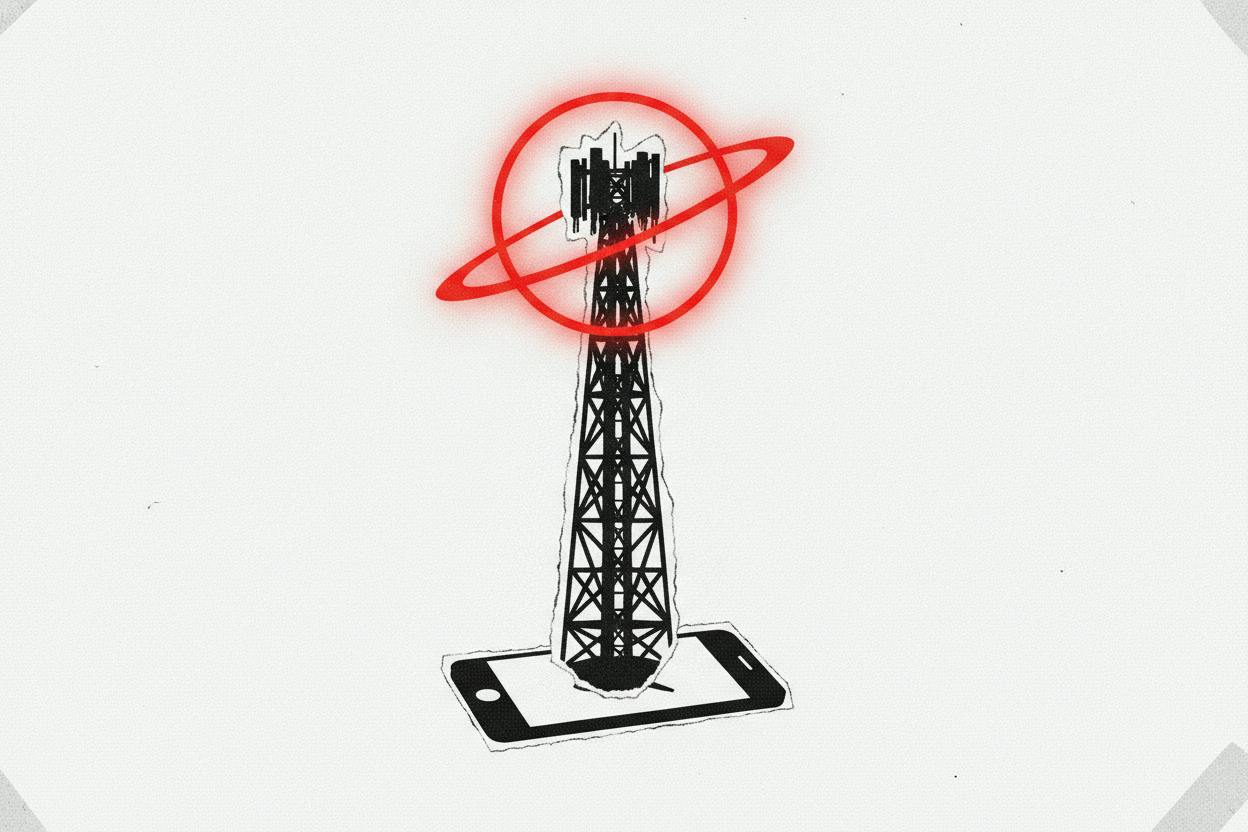
Separately, US telecom stocks got their own jolt. AT&T, Verizon, and T-Mobile fell more than 3% premarket after reports that SpaceX is talking with cellular infrastructure firms about a nationwide carrier offering. But tower owners moved the other way: Crown Castle rose 8.5% and American Tower 5.6%, a reminder that more networks and more traffic can mean more equipment and leases on their sites.
The report suggests SpaceX, best known for its satellite internet service Starlink, may be looking to build a traditional cellular network that would compete directly with the big three carriers. That would be a significant new entrant in a market that has been dominated by AT&T, Verizon, and T-Mobile for years.
For investors, the divergent moves in carrier stocks versus tower stocks highlight a key difference in how these businesses make money. Carriers rely on pricing power and customer loyalty, while tower owners earn rent from whoever needs to put equipment on their structures.
What it means for investors
Crown Castle's 8.5% jump versus a 3% drop in AT&T, Verizon, and T-Mobile shows where investors think the profit pool could shift.
A credible new wireless player usually pressures the incumbent carriers first, because it threatens pricing power and can raise churn, or customer switching. To defend market share, providers often lean on discounts, phone subsidies, and marketing, which can squeeze average revenue per user and profit margins.
Tower operators can be positioned differently. If a new entrant builds or expands a network, it typically needs to put radios and antennas on existing towers, paying multi-year rent. Since these businesses have high fixed costs, each incremental tenant can add disproportionately to cash flow. That's why the same SpaceX headline could widen the gap between service providers and infrastructure owners as markets reprice who gets paid first if competition heats up.
For the average investor, this is a useful lesson in how different parts of the same industry can react very differently to the same news. A threat to one business model can be a boon to another. It also underscores the importance of looking beyond the headline stock moves to understand the underlying economics.
As the trading day unfolds, investors will be watching whether the AI selloff deepens or stabilizes, and whether the telecom shake-up has legs. The broader market remains sensitive to interest rate expectations, and any news that changes the calculus on AI spending or competition in wireless could move stocks further.
For now, the message from the futures market is caution. With AI costs in the spotlight and a potential new wireless player on the horizon, investors are tiptoeing rather than charging ahead.



