Wall Street's tech-heavy selloff cooled by Friday, but the episode left investors with a clear reminder: the artificial intelligence boom comes with a hefty price tag. After a brutal Thursday that saw some of the market's biggest AI winners tumble, trading calmed, yet underlying anxieties about how companies will fund their AI ambitions lingered.
The latest wobble began with a sharp drop in semiconductor and tech stocks. According to Reuters, the Philadelphia SE Semiconductor Index fell almost 7% on Thursday, while Meta Platforms dropped nearly 8%. CoreWeave, a cloud computing company closely tied to AI infrastructure, slid 10% as investors focused on debt loads and the cash needed to keep scaling AI systems.
That risk-off move pulled US Treasury yields down sharply, and by Friday traders had dialed back expectations for rate hikes. The brief mentioned that expectations for rate hikes were reduced, though the exact details were cut off. Still, the market's reaction suggests investors were more worried about the cost of funding AI than about inflation or economic strength.
Why AI funding fears hit so hard
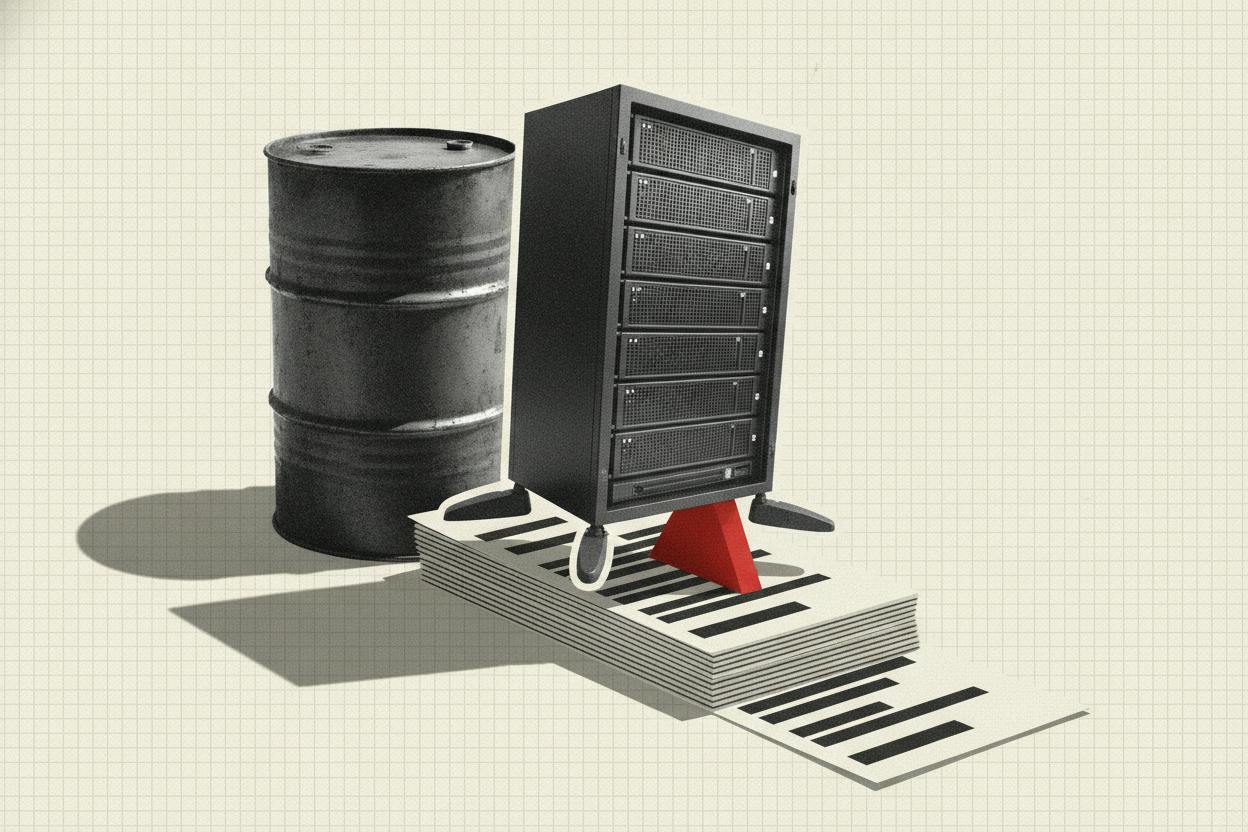
AI has been the market's main driver for over a year, with companies like Nvidia, Microsoft, and Meta spending billions on data centers, chips, and research. But that spending requires cash—either from profits, debt, or equity issuance. When investors see companies taking on more debt or issuing shares to fund AI projects, they start to question whether the returns will justify the costs.
CoreWeave's slide is a case in point. The company, which provides cloud computing services for AI workloads, has grown rapidly but carries significant debt. Its 10% drop on Thursday reflected fears that its business model—and by extension, the broader AI infrastructure buildout—might be more fragile than hoped.
Meta's nearly 8% decline also signaled investor unease. The social media giant has been pouring money into AI, and its recent earnings report highlighted rising costs. While Meta's AI investments could pay off long-term, the market is increasingly sensitive to any sign that spending is outpacing revenue growth.
This is not the first time AI funding worries have rattled markets. In recent months, similar concerns have triggered selloffs in tech stocks, only for markets to recover as investors refocused on the long-term potential of AI. But each episode seems to leave a slightly deeper scar, as the scale of investment grows.
Oil and French bonds add to the stress
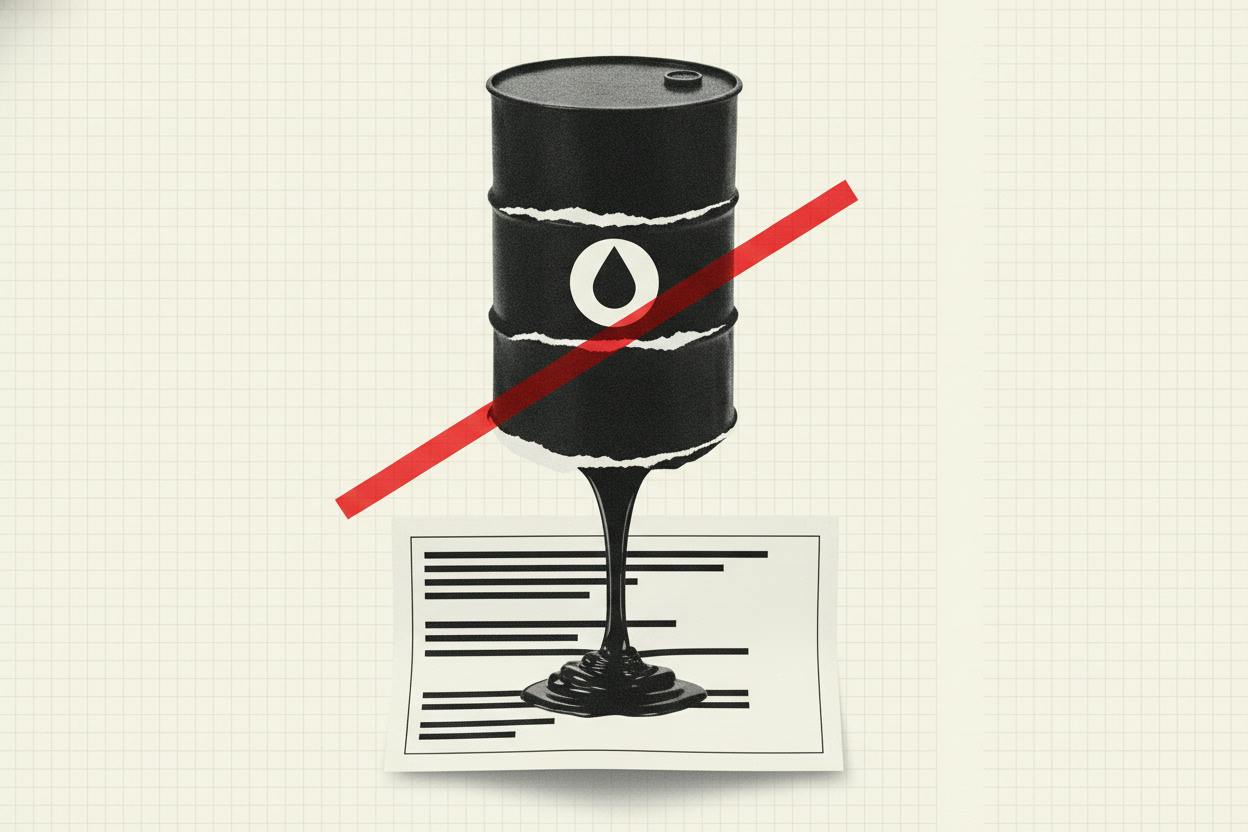
While tech stocks were the center of attention, other markets also showed signs of strain. Oil prices held near $115 a barrel, a level that adds to inflationary pressures and could influence central bank policy. High energy costs are a headache for consumers and businesses alike, and they complicate the picture for investors trying to gauge the path of interest rates.
French government bonds also remained under pressure, with investors demanding a hefty premium to hold them. This reflects ongoing concerns about France's fiscal situation and political stability. The spread between French and German bond yields—a key measure of risk—has widened, and that stress is unlikely to disappear quickly.
The combination of high oil prices and French bond stress suggests that the market's troubles are not just about AI. Geopolitical tensions, supply concerns, and fiscal worries are all simmering beneath the surface. For investors, this means the current calm could be fragile.
What it means for investors
For everyday investors, the key takeaway is that volatility is likely to continue. The AI boom is real, but it is also expensive. Companies that are spending heavily on AI may see their stocks swing wildly as investors reassess the risks. Diversification remains important—don't put all your eggs in one basket, especially not in a single sector like tech.
Also, keep an eye on interest rates. If AI funding fears lead to a broader risk-off mood, Treasury yields could fall, which might benefit bond investors. But if oil prices stay high, inflation could force central banks to keep rates higher for longer, which would be a headwind for stocks.
Finally, the French bond situation is a reminder that Europe has its own set of problems. While US investors may not feel the direct impact, global markets are interconnected. A crisis in one region can quickly spread to others.
As always, it's wise to stay informed and avoid making impulsive decisions based on short-term market moves. The AI story is still unfolding, and its ultimate impact on the economy and markets is far from clear.