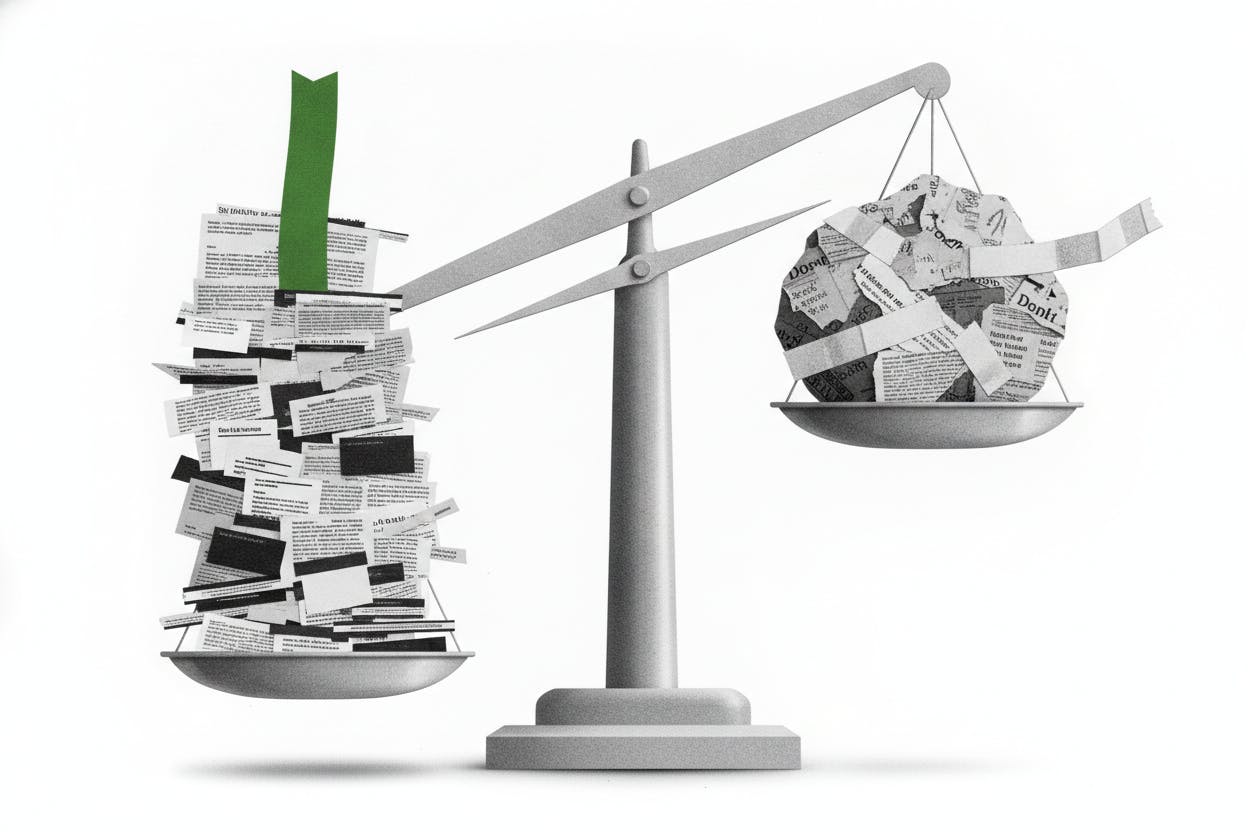
Big asset managers are increasingly having to choose between two very different types of companies in the race to profit from artificial intelligence: the giant cloud providers known as “hyperscalers,” and a newer crop of challengers called “neoclouds.” The decision, according to a Reuters analysis, hinges on who can turn the current AI boom into durable profit growth over the long run.
The backdrop is a familiar one for anyone following the AI trade: demand for computing power to train and run AI models is soaring, but the supply of that power is limited. That imbalance is creating winners and losers, and investors are starting to sort them out.
What are hyperscalers and neoclouds?
Hyperscalers are the tech giants that operate enormous data centers and offer cloud computing services at massive scale. Think Microsoft, Amazon, and Google. They have the capital, the infrastructure, and the customer relationships to dominate the market.
Neoclouds are smaller, newer players that focus specifically on providing the high-powered computing needed for AI workloads. They often rent out graphics processing units (GPUs) — the chips that power AI — to companies that need them. CoreWeave and Nebius are two prominent examples, with CoreWeave backed by chipmaker Nvidia.
The distinction matters because the two groups have different business models and different risk profiles. Hyperscalers offer a broad range of cloud services, while neoclouds are more specialized and often more dependent on the volatile market for AI computing capacity.
Recent earnings point to strong demand
Recent quarterly results from Microsoft and Amazon — two of the biggest hyperscalers — suggested that demand for AI computing remains robust, even as supply stays tight. That is a positive sign for the entire AI ecosystem, but it also highlights the pressure on capacity.
When supply is tight, prices for computing power tend to rise. That is particularly true in the “spot” market, where computing capacity is bought and sold on a short-term basis, and prices can swing quickly as supply and demand shift.
Neoclouds have been a major beneficiary of this dynamic. Because they can rent out scarce computing power at elevated spot prices, their revenue and profits have surged. CoreWeave’s stock is up about 50%, while Nebius has climbed more than 200%.
What it means for investors
For everyday investors, the key takeaway is that the AI trade is no longer a one-way bet. The market is starting to differentiate between companies that can sustain their growth and those that might be riding a temporary wave.
Hyperscalers offer scale, stability, and diversified revenue, but they also face heavy capital spending requirements and potential regulatory scrutiny. Neoclouds offer faster growth and higher margins during periods of tight supply, but they are more exposed to a downturn in AI demand or an increase in capacity that could push prices down.
Investors should also consider the broader context. The AI boom has lifted a wide range of tech stocks, and some valuations have become stretched. As the market matures, the ability to generate real profits — not just revenue growth — will become increasingly important.
For those looking to understand the dynamics, it’s worth noting that the same forces are playing out in other markets. For example, Chinese tech stocks have hit record valuations as AI enthusiasm grips retail investors there. And the broader appetite for risk is evident in takeover offers spanning three continents as cash chases assets.
But for now, the focus is on the cloud. The question is whether the hyperscalers’ scale will win out, or whether the neoclouds’ agility and focus will prove more profitable. The answer will likely depend on how long the capacity crunch lasts and how quickly new supply comes online.
As always, investors should do their own research and consider their own risk tolerance. The AI story is far from over, but the easy gains may be behind us. The next phase will be about picking winners — and that requires understanding the nuances of the cloud market.