Markets started the week on an uneasy footing, with stocks wobbling as investors question how long Big Tech can sustain its massive spending on artificial intelligence infrastructure. The unease comes just as the cost of insuring against corporate defaults ticks higher and the Nasdaq index emerges from a rough October.
What's driving the jitters?
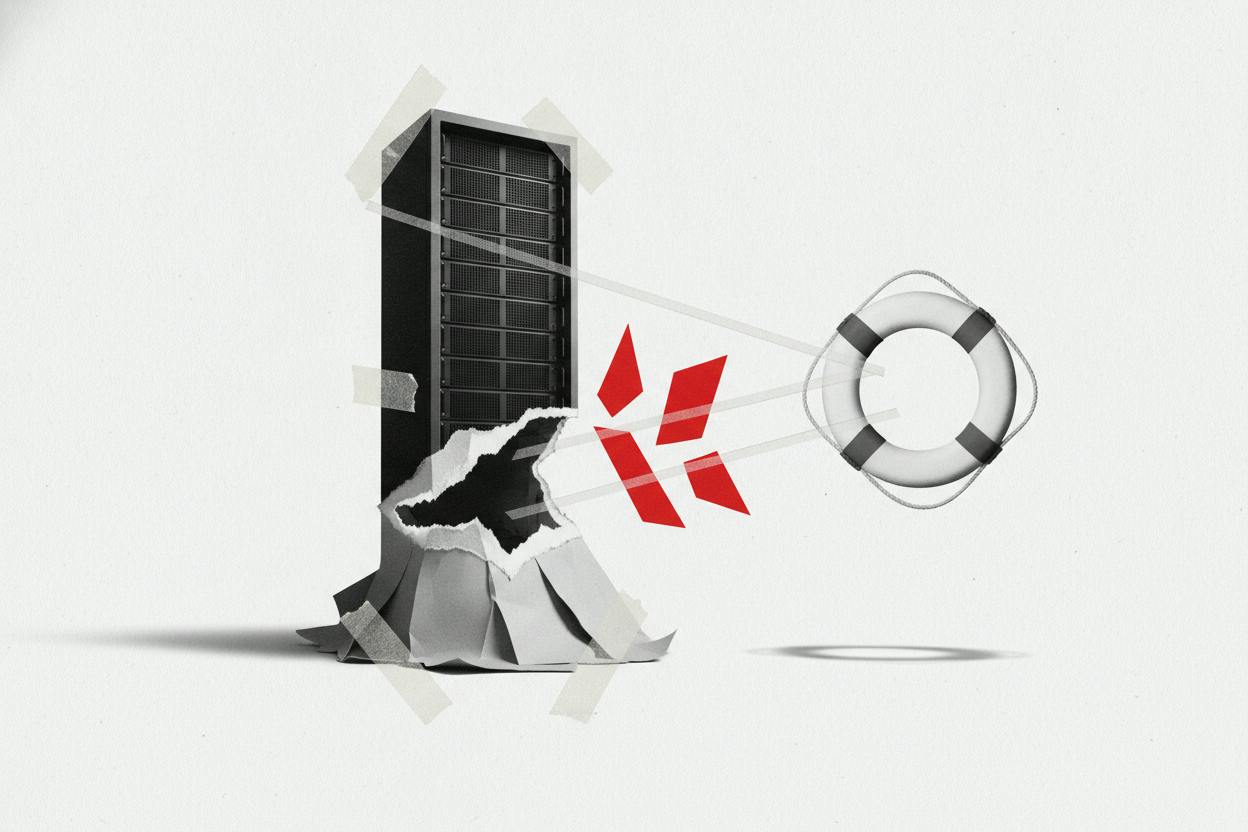
The shift in mood isn't just about stock prices. According to Reuters, worries over negative free cash flow—meaning companies are spending more cash than they're bringing in after investments—and the sheer scale of AI capital expenditure (capex) pushed up credit-default swap prices last week. These swaps are essentially insurance against a company failing to repay its debt. When the cost of that insurance rises, it signals that investors see a higher risk of default.
For everyday investors, this is a subtle but important signal. Credit markets often move before stock markets, and a widening in credit protection costs can be an early warning that the market's confidence in corporate balance sheets is fraying.
The AI capex conundrum
Big Tech companies have been pouring billions into data centers, chips, and other infrastructure to support the AI boom. While this spending has fueled impressive growth and stock gains, it also raises a key question: how long can it last? If companies are spending more than they earn, they may eventually need to pull back, which could hurt both their growth prospects and their stock prices.
This is not just a theoretical concern. The recent slide in tech ETFs, as noted in AI credit fears and Intel's weak outlook, shows how quickly sentiment can turn when investors start to worry about the sustainability of AI spending.
What it means for investors
For the average investor, the key takeaway is that the AI boom, while powerful, is not without risks. The companies leading the charge are making enormous bets, and if those bets don't pay off, the fallout could be significant. This is why it's important to diversify and not put all your eggs in one basket, especially in sectors that have run up sharply.
Also, keep an eye on the upcoming Big Tech earnings reports. These will be a critical test of whether the spending is translating into profits. As Big Tech earnings disappoint has shown, even a slight miss can drag the entire market down.
Finally, remember that credit markets are often a leading indicator. If the cost of insuring against defaults continues to rise, it could be a sign that the market is bracing for tougher times ahead. For now, the mood is cautious, and investors should be prepared for more volatility.