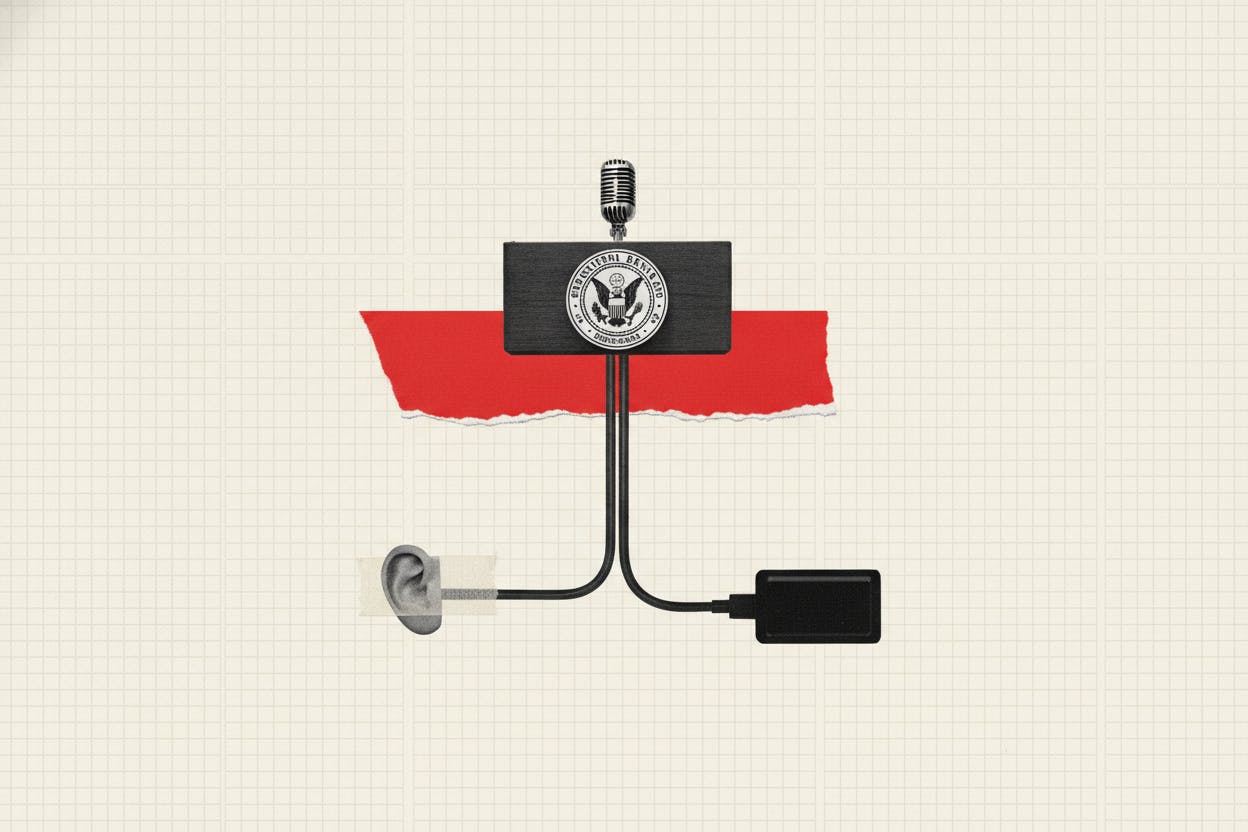
At this year's Jackson Hole symposium, the annual gathering of central bankers and economists hosted by the Kansas City Fed, Princeton economist Markus Brunnermeier raised a question that could reshape how policymakers talk to the world: what happens when machines get so good at trading that they understand central banks better than humans do?
Brunnermeier warned that AI-driven trading could become so advanced that central banks may need to rethink their approach to transparency. In a striking suggestion, he floated the possibility of sending different policy messages to human audiences and machine algorithms—a break from the long-standing practice of communicating one clear, unified message to everyone.
Why transparency matters to central banks
Central banks like the Federal Reserve have spent decades building credibility through transparency. By publishing meeting minutes, economic projections, and holding press conferences, they aim to guide market expectations and reduce uncertainty. When investors know what the central bank is likely to do, they can make better decisions, and the economy runs more smoothly.
But that transparency assumes a level playing field: that all market participants—whether a pension fund manager in New York or a retail investor in Ohio—receive the same information and interpret it in roughly the same way. AI trading systems, which can process vast amounts of data in milliseconds, may not play by those rules.
Brunnermeier's concern is that AI could become so adept at parsing central bank language and predicting policy moves that it gains an edge over human investors. That could create a two-tier market, where machines react to every nuance of a policy statement before humans have even finished reading it.
What separate messages for humans and machines might look like
The idea of tailoring messages to different audiences is not entirely new. Central banks already adjust their language for different groups—for example, using simpler terms when speaking to the public versus more technical jargon in official statements. But sending fundamentally different messages to humans and machines would be a major departure.
In theory, a central bank might issue a detailed, data-rich statement for algorithms to parse, while offering a more general, plain-language summary for people. Or it could deliberately hold back certain information from machines to prevent them from front-running human traders.
However, such a move would raise serious questions about fairness and market integrity. If machines get access to information that humans don't, that could undermine the very trust central banks have worked to build. It could also lead to regulatory challenges, as authorities try to ensure that AI trading does not distort markets.
What it means for investors
For everyday investors, the immediate impact is limited—this is a theoretical discussion, not a policy change. But the implications are worth watching. If central banks ever did adopt separate messaging for humans and machines, it could change how markets react to policy announcements. Retail investors, who rely on public statements and press coverage, might find themselves at a disadvantage if algorithms are getting a different, more detailed version.
Even without such a shift, the rise of AI in trading is already affecting markets. Nvidia's upbeat forecast recently revived an AI rally, underscoring how much investor attention is focused on the technology. And as global stock funds saw their first outflows in 14 weeks ahead of this year's Jackson Hole, it's clear that central bank communication remains a key driver of market moves.
Brunnermeier's warning also comes at a time when central banks are navigating a tricky environment. Fed Governor Kevin Warsh reaffirmed the Fed's 2% inflation target in his own Jackson Hole speech, emphasizing price stability. Meanwhile, Treasury yields dipped as traders awaited his remarks, showing how sensitive markets are to every word from policymakers.
The bigger picture
Brunnermeier's idea is part of a broader debate about how AI is changing financial markets. From high-frequency trading to algorithmic portfolio management, machines are already deeply embedded in the financial system. The question is whether central banks—and regulators—can keep up.
For now, the concept of separate messaging remains just that: a concept. But it highlights a growing tension between the traditional, human-centric approach to central bank communication and the reality of a market increasingly driven by machines. As AI continues to evolve, central banks may have to decide whether to adapt their transparency practices or risk losing control of the narrative.
For investors, the takeaway is to stay informed and be aware that the rules of the game could change. Central bank communication is one of the most powerful tools in the global economy, and any shift in how it works could have ripple effects across markets. Watching how policymakers respond to the rise of AI will be just as important as watching interest rates themselves.



