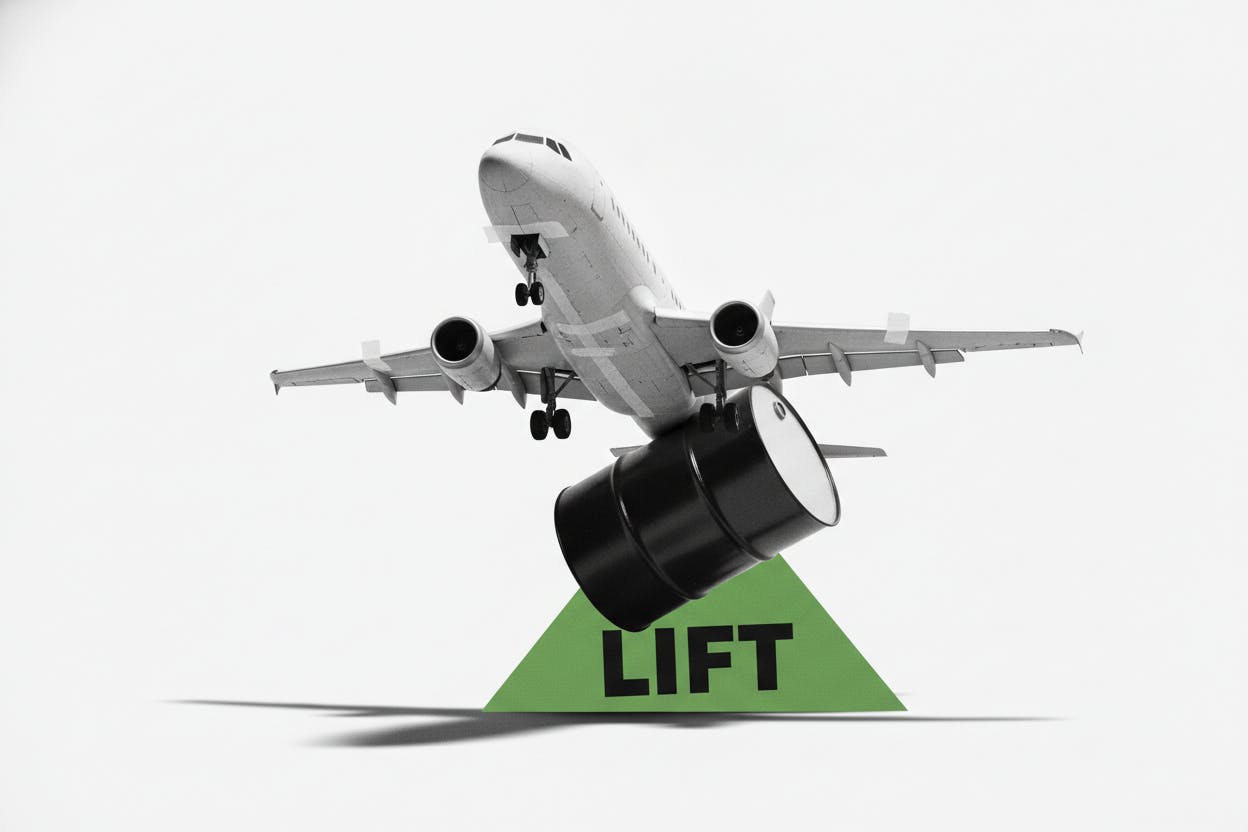
Germany's benchmark DAX index edged higher on Tuesday, lifted by upbeat corporate updates from aerospace giant Airbus and engineering firm GEA, even as oil prices ticked up on renewed worries about Middle East supply disruptions.
Airbus Sets Ambitious 2029 Targets
Airbus was the standout performer, with its Germany-listed shares jumping after the planemaker laid out long-term financial goals and confirmed a €5 billion share buyback program. The company said it aims to achieve adjusted operating profit of between €12 billion and €13 billion by 2029, with roughly €10 billion of that coming from its Commercial aircraft division. Airbus also signaled that its cash generation would broadly track that profit over time, a key metric for investors who focus on free cash flow.
The targets come as the aerospace industry continues to recover from the pandemic-driven downturn, with airlines hungry for new, more fuel-efficient planes. Airbus has been ramping up production of its best-selling A320neo family and preparing for the next generation of aircraft. The €5 billion buyback—a program where a company repurchases its own shares from the market—is a signal of confidence in its financial health and a way to return cash to shareholders.
Analysts at RBC Capital Markets noted that the 2029 targets looked better than the market's recently lowered expectations, which had been dampened by supply chain challenges and production delays. That helped investors look past the longer ramp-up period and focus on the potential payoff. For context, a buyback reduces the number of shares outstanding, which can boost earnings per share and often supports the stock price.
This isn't the first time Airbus has used buybacks to reward investors. Earlier this year, the company completed a €4 billion buyback, and the new program suggests management sees the stock as undervalued. The move echoes similar actions by other industrial giants, such as RPM International, which recently boosted its buyback by $700 million after beating earnings estimates.
GEA Raises Guidance
GEA, a German engineering company that makes equipment for the food, beverage, and pharmaceutical industries, also provided a boost to the DAX. The company raised its full-year 2026 guidance, signaling stronger-than-expected demand for its process technology solutions. GEA's products are used in everything from dairy processing to brewing, and the upgrade suggests that its customers are investing in capacity expansion despite broader economic uncertainty.
The guidance lift is a positive sign for the industrial sector, which has been grappling with high energy costs and a slowdown in global trade. GEA's update indicates that certain niches, particularly in food and pharma, remain resilient. For investors, it's a reminder that not all industrial companies are equally exposed to the economic cycle—some benefit from structural trends like automation and food security.
Oil Ticks Up on Supply Worries
While the corporate news was upbeat, oil prices edged higher as geopolitical tensions in the Middle East flared up again. Renewed supply fears—stemming from potential disruptions in the region—pushed crude prices up, adding to inflationary pressures that central banks are watching closely. Higher oil prices can be a double-edged sword: they boost energy stocks but raise costs for consumers and businesses, potentially slowing economic growth.
The move in oil comes as the market remains sensitive to any signs of supply tightness. For everyday investors, rising oil prices can mean higher gasoline and heating bills, and they can also squeeze margins for companies that rely heavily on fuel, such as airlines and logistics firms. That's a headwind for Airbus's airline customers, though the planemaker's long-term targets suggest it expects demand to remain robust.
In a related development, the Reserve Bank of India recently sold $6.1 billion in May to defend the rupee as oil prices surged, highlighting how energy costs can ripple through global currency markets. Similarly, Indian refiner HPCL posted a $1.4 billion quarterly loss as soaring crude costs squeezed fuel margins, underscoring the pain that high oil prices can inflict on downstream companies.
What It Means for Investors
For investors in German equities, the DAX's modest gain reflects a market that is cautiously optimistic. Airbus's targets and buyback are a vote of confidence in the aerospace recovery, while GEA's guidance upgrade points to pockets of strength in industrials. However, the rise in oil prices is a reminder that geopolitical risks remain, and they could weigh on sentiment if they escalate.
The broader takeaway is that corporate fundamentals are improving for some of Germany's largest companies, even as the macroeconomic backdrop remains uncertain. Investors should watch for further updates from Airbus on production ramp-ups and from GEA on order intake. The oil price trajectory will also be key, as it influences everything from inflation to central bank policy.
For those looking at the DAX as a whole, the index's composition—heavy on industrials, autos, and chemicals—means it is sensitive to both global trade and energy costs. Positive company news can lift the index, but headwinds from oil and geopolitics may cap gains. As always, diversification across sectors and regions can help manage these risks.



