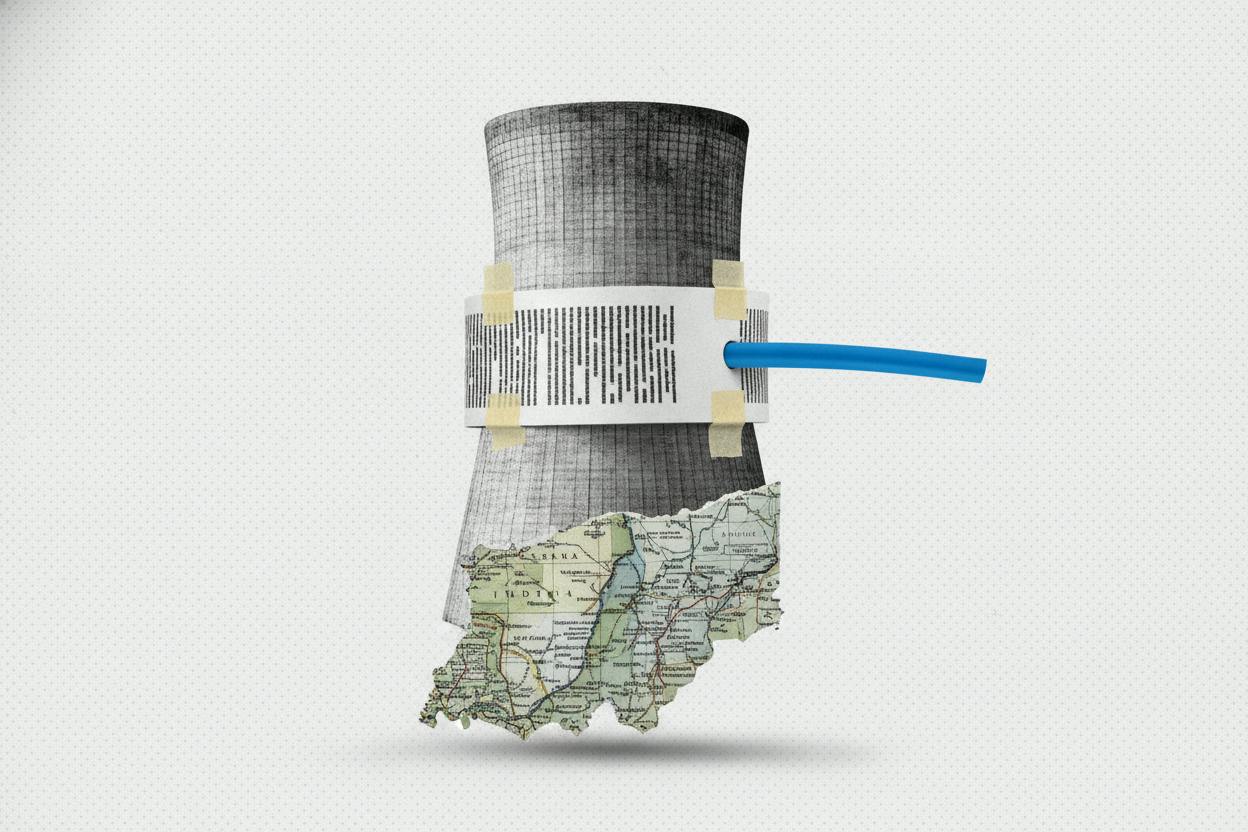
Amazon's stock ticked higher after American Electric Power (AEP), one of the largest US electric utilities, revealed that the tech giant plans to purchase electricity from a proposed small nuclear project in Indiana under a long-term agreement. The news underscores how the AI boom is reshaping the power industry, as data centers demand reliable, round-the-clock electricity.
What's on the table
AEP said it is exploring a project with X-energy, a nuclear-reactor developer, in Sullivan County, Indiana. The plan involves 12 Xe-100 small modular reactors (SMRs), which together would generate 960 megawatts of power. That's enough to supply roughly 800,000 typical homes, though the electricity is earmarked for industrial and data-center use.
The standout detail is the contract structure. AEP said Amazon intends to sign a deal designed to cover the project's costs and operations, effectively giving the plant an anchor customer from day one. For projects that take years to build and require hefty upfront investment, that kind of "pre-sold" revenue can make banks more willing to lend, because repayment depends less on where wholesale power prices end up later.
Small modular reactors are a newer class of nuclear technology, designed to be built in factories and assembled on site, which backers say could cut costs and construction times compared with traditional large reactors. But the sector still faces familiar hurdles: permitting, construction timelines, and the risk that costs run over budget.
Why tech giants are going nuclear
Big tech firms are scrambling for power as they expand AI data centers, which require enormous amounts of electricity to run servers and cooling systems. Unlike solar or wind, nuclear power can generate electricity 24-7, making it an attractive option for companies that need a constant supply.
Amazon's move is part of a broader trend. Other tech companies have struck similar deals with nuclear developers, and utilities are increasingly pitching SMRs as a way to meet demand without relying on fossil fuels. The energy sector's reaction to these deals has been mixed, with some investors seeing nuclear as a growth area while others worry about execution risks.
The deal also fits into a wider pattern of tech stocks rebounding on AI optimism, as investors bet that companies like Amazon will continue to invest heavily in infrastructure to support their cloud and AI businesses.
What it means for investors
For AEP, the Amazon contract could be a game-changer. Utilities typically build power plants and sell electricity into wholesale markets, where prices can swing with supply and demand. That "merchant risk" makes lenders nervous, so utilities often pay higher interest rates on debt. A long-term, cost-covering contract with a creditworthy customer like Amazon can shrink that risk and lower the project's cost of capital.
If more tech firms sign similar deals, it could create a clearer valuation playbook for utilities. Contracted generation starts to look less like a commodity bet and more like infrastructure with steadier cash flows, similar to how pipelines or toll roads are valued. That could support higher stock prices for utilities that lock in such agreements.
But investors should keep the risks in mind. Small modular reactors are still unproven at scale. Permitting can take years, construction delays are common, and costs can balloon. Even with an anchor customer, the project could face setbacks. For everyday investors, the key takeaway is that this deal is a signal of how AI is driving real-world demand for power, and how companies are trying to secure that power in ways that reduce financial uncertainty.
As AI data center demand continues to grow, expect more such partnerships between tech firms and utilities. The winners could be utilities that manage to sign long-term contracts, and the losers could be those left exposed to volatile power prices.