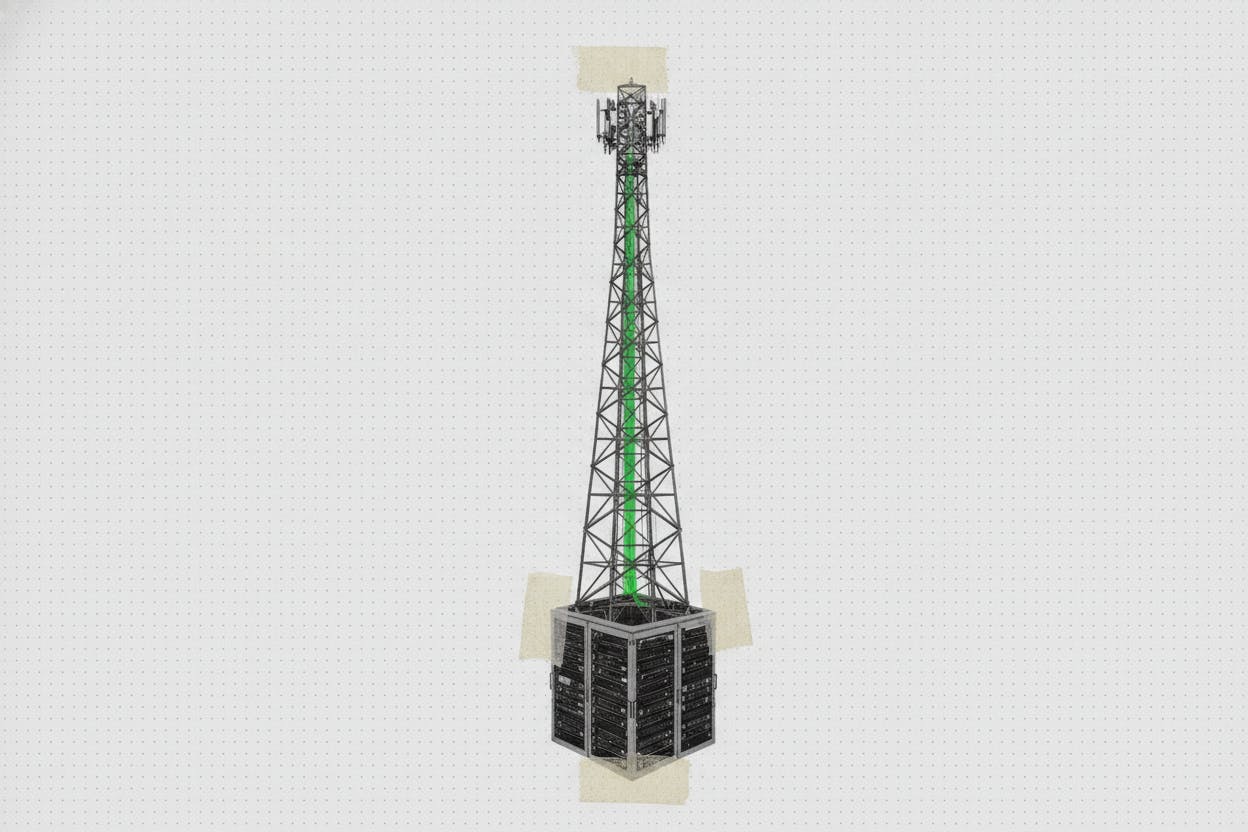
American Tower, one of the world's largest owners of wireless communications infrastructure, reported second-quarter results that topped Wall Street expectations and raised its outlook for 2026 for the second time this year. The company benefited from record leasing activity at its CoreSite data center business and steady demand for its global network of cell towers.
Strong quarter driven by towers and data centers
For the quarter ended June 30, American Tower reported revenue of $2.75 billion, up 4.7% from a year earlier and ahead of the $2.70 billion analysts had expected, according to LSEG data. Property revenue, which includes rental income from towers and data centers, rose 6.3% to $2.69 billion, beating the consensus estimate of $2.52 billion.
The company's CoreSite division, which provides data center space and interconnection services to cloud providers and enterprises, posted record leasing activity during the quarter. That helped offset some of the headwinds from currency fluctuations and slower growth in certain international markets.
American Tower is structured as a real estate investment trust (REIT), meaning it must distribute most of its taxable income to shareholders as dividends. Its business model relies on signing long-term leases with wireless carriers such as Verizon, AT&T, and T-Mobile, as well as with cloud companies like Amazon Web Services and Microsoft Azure. Those contracts provide predictable, recurring cash flow that supports the dividend and funds new investments.
Why the raised outlook matters
American Tower raised its 2026 outlook for the second time this year, signaling confidence that demand for wireless infrastructure will remain strong. The company now expects higher property revenue and adjusted funds from operations (AFFO) for 2026 than it did in its previous forecast. AFFO is a key metric for REITs because it measures the cash generated from operations after maintenance capital expenditures.
The raised outlook comes as wireless carriers continue to invest in 5G networks, which require more towers and small cells to handle increased data traffic. At the same time, the growth of artificial intelligence and cloud computing is driving demand for data center capacity, benefiting CoreSite.
Investors have been watching for signs that the tower industry can maintain its growth momentum after a period of rapid expansion. American Tower's results suggest that the secular trends of mobile data consumption and cloud adoption remain intact, even as some parts of the economy slow.
What it means for investors
For everyday investors, American Tower's results offer a window into the health of the broader digital infrastructure sector. The company's performance is closely tied to capital spending by wireless carriers and cloud providers, which in turn depends on their confidence in future demand for data.
American Tower's dividend yield, which currently sits around 3%, is supported by the long-term leases and the REIT structure. The raised outlook suggests that the company expects to generate enough cash to maintain and potentially grow that dividend over time.
However, investors should be aware of the risks. American Tower has significant exposure to international markets, particularly in India and Latin America, where currency volatility and regulatory changes can affect results. The company also carries a substantial amount of debt, which it uses to fund tower acquisitions and construction. Rising interest rates could increase its borrowing costs and pressure its stock price.
Other companies in the sector, such as Crown Castle and SBA Communications, also report earnings in the coming weeks, and their results will provide additional context for the tower industry's outlook.
American Tower's stock has risen about 10% so far this year, roughly in line with the broader market. The raised outlook could provide a catalyst for further gains if investors see it as a sign of sustained growth.
For those looking to understand the digital infrastructure theme, American Tower is a bellwether. Its results show that the demand for connectivity — whether from smartphones, streaming video, or AI workloads — continues to grow, and that the companies that own the physical assets underpinning that connectivity are well-positioned to benefit.