Anthropic, the Amazon-backed artificial intelligence company, has opened its Mythos 5 AI model to testing by ENISA, the European Union's cybersecurity agency. The move follows months of negotiations and marks a significant step in the ongoing dialogue between AI developers and regulators.
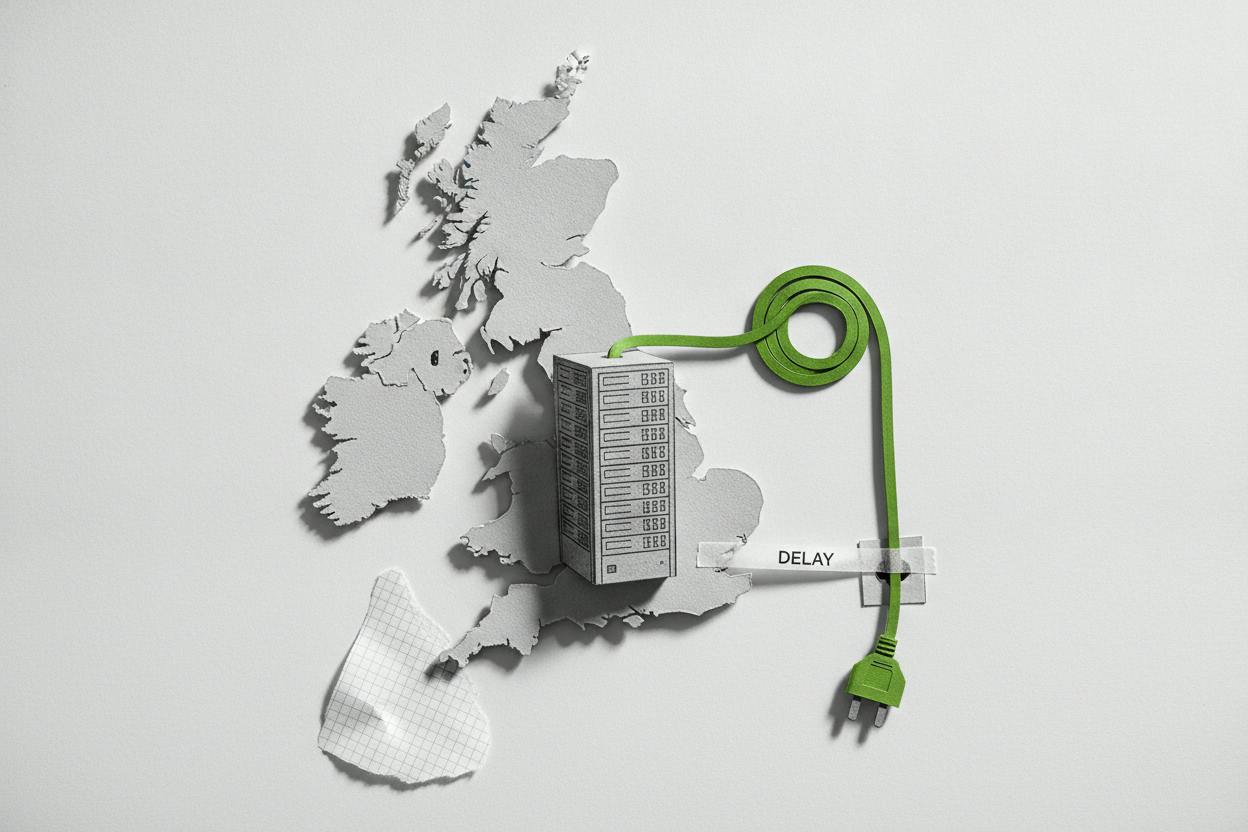
According to a report from Bloomberg, ENISA now has the model in hand and is running tests. This transforms what had been a largely policy-driven debate into a concrete technical review by a major EU body. However, a key limitation remains: ENISA, along with the UK's AI Safety Institute, still does not have access to Mythos 5.1, the newer version of the model.
Why access matters
Anthropic has been selective about who gets early access to Mythos 5. Initially, the company limited access to vetted institutions through its Project Glasswing program. This cautious approach reflects the broader tension in the AI industry: companies want to showcase their models' capabilities, but they also worry about potential misuse or unintended consequences.
For regulators like ENISA, having hands-on access to a frontier AI model is crucial. It allows them to assess risks firsthand—such as potential biases, security vulnerabilities, or the model's ability to generate harmful content—rather than relying solely on the company's own disclosures. This kind of technical evaluation is becoming standard practice as governments worldwide grapple with how to oversee rapidly advancing AI technology.
The fact that ENISA and the UK's AI Safety Institute still lack access to Mythos 5.1 is notable. It suggests that Anthropic is being even more careful with the latest iteration, possibly because it incorporates more advanced capabilities that could pose greater risks. For investors, this highlights the delicate balance AI companies must strike between innovation and responsibility.
What it means for investors
For everyday investors, this development is a reminder that AI companies are increasingly operating in a regulatory spotlight. Anthropic's willingness to open its models to external testing could be seen as a positive signal—it shows a commitment to transparency and safety, which may help build trust with both regulators and the public.
However, the limited access to Mythos 5.1 also underscores the challenges that come with rapid AI advancement. If regulators cannot fully evaluate the latest models, they may impose stricter rules or delays on deployment, which could affect the commercial rollout of AI products. This is a risk factor that investors should keep in mind when evaluating AI-related stocks.
Anthropic itself is a private company, but its actions have ripple effects across the tech sector. The company has been in the news recently for other reasons, including expanding its credit line to $15 billion ahead of a potential IPO filing. A successful IPO could give public market investors a chance to own a piece of the AI boom, but it also brings increased scrutiny from regulators and analysts.
Moreover, Anthropic's cautious approach to model access contrasts with some competitors who push for faster, wider releases. This strategy may appeal to enterprise clients and government agencies that prioritize safety, but it could also slow down adoption and revenue growth. Investors will be watching to see how this balance plays out.
Broader context
The EU has been at the forefront of AI regulation, with its AI Act setting strict requirements for high-risk AI systems. ENISA's testing of Mythos 5 is likely part of the groundwork for enforcing those rules. Similarly, the UK's AI Safety Institute is part of a global effort to understand and mitigate AI risks.
For tech investors, the intersection of AI and regulation is a growing theme. Companies that can navigate this landscape successfully—by being transparent, proactive, and cooperative—may gain a competitive edge. On the other hand, those that resist oversight could face reputational damage or legal hurdles.
Anthropic's decision to open Mythos 5 to ENISA is a small but meaningful step in this direction. It shows that the company is willing to engage with regulators, even as it guards its most advanced technology. As the AI industry continues to evolve, such interactions will likely become more common, shaping the future of both technology and investing.
For now, investors should watch for further developments, such as whether ENISA's testing leads to any public findings or recommendations. Also, keep an eye on Anthropic's IPO progress, as it could become one of the most anticipated tech listings in recent years. In the meantime, the company's moves—like walking away from a $6 billion acquisition deal—show that it is making strategic choices that could impact its valuation and market position.
Ultimately, the opening of Mythos 5 to ENISA is a reminder that AI is not just a technological story but also a regulatory and investment one. Understanding how these pieces fit together is essential for anyone looking to navigate the modern market.