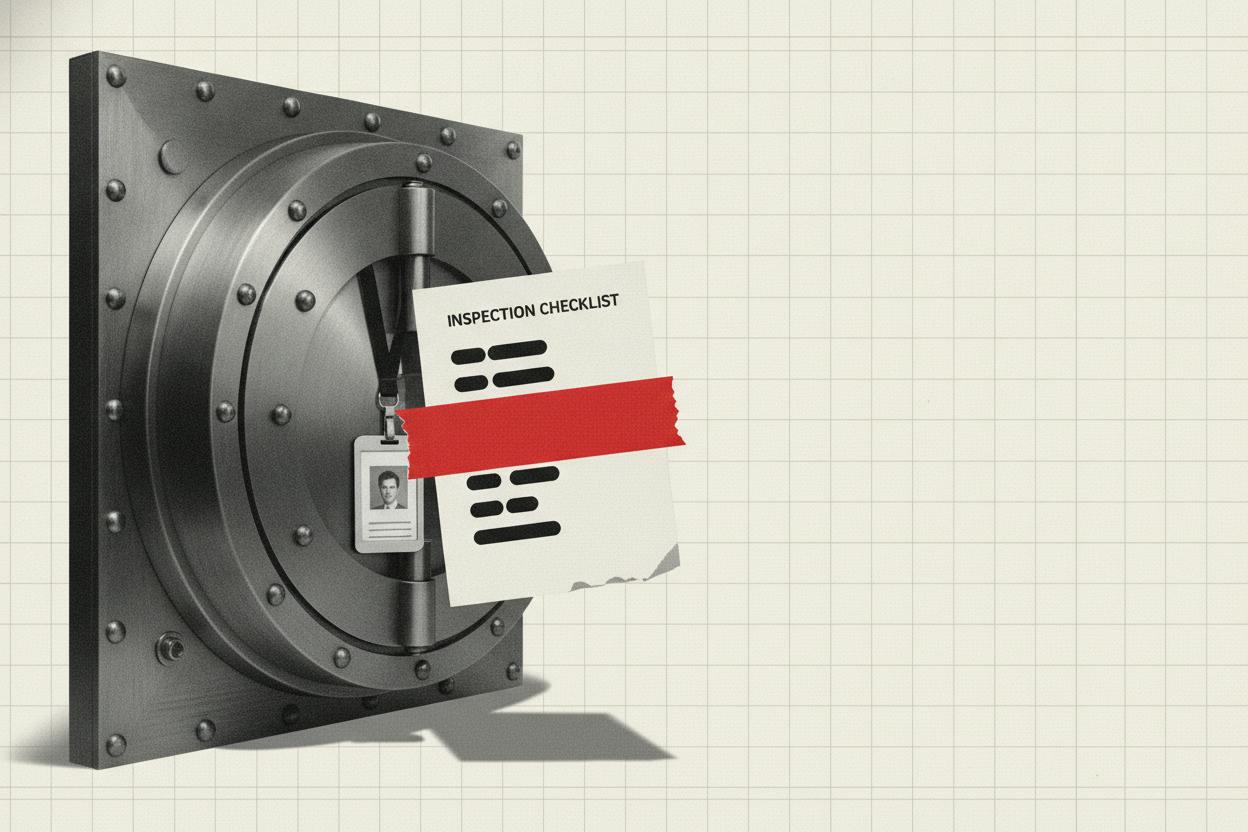
Anthropic is widening the door for outside scrutiny of its AI models. The company has granted the nonprofit research group METR employee-level access to its safety testing for Claude, its family of AI models, according to Reuters. That means METR researchers can look at how Claude behaves in ways that go beyond what an outside observer would normally see.
The arrangement isn't unlimited, though. Anthropic keeps the right to redact a small set of sensitive details before any findings are made public, and METR can publicly question those redactions. That caveat matters, because it highlights the tension at the heart of AI safety reviews: the labs want independent verification, but they also want to protect trade secrets and user data.
Why outside reviewers matter
As AI models have become more capable, labs have faced growing pressure to show they are checking for real-world harms. Independent evaluators like METR — which stands for Model Evaluation and Threat Research — are one way to do that. The idea is simple: if a company grades its own homework, the results are hard to trust. An outside group with deeper access can probe for risks such as whether a model can help with cyberattacks, spread misinformation, or take actions that cause harm.
But there's a catch. The most meaningful safety findings often overlap with the proprietary information that makes a model valuable. Reuters has previously reported that labs, including Anthropic and OpenAI, have pushed for control over what evaluators can publish. That can put independent reviewers in an awkward spot: they may see something important but be unable to share the full picture.
The redaction question
Anthropic's approach tries to split the difference. METR gets access that looks a lot like what an employee would have, which is a meaningful step up from reviewing a model from the outside. At the same time, Anthropic can withhold a narrow set of details it considers sensitive. METR, for its part, can publicly flag when it disagrees with a redaction — a form of accountability that keeps the process from being entirely one-sided.
For readers who don't follow AI governance closely, this is a bit like a financial auditor being allowed inside a company's books but with the company able to black out a few lines before the audit is published. The auditor can say publicly that it objected to the blackouts, but the public may still not see everything.
What it means for investors
Anthropic is not a public company yet, but it is widely watched as a major player in the AI race, and its safety posture is part of its pitch to investors, regulators and corporate customers. The company has been in the news for its fast revenue growth and looming cloud costs, and it has faced outside pressure over its plans, including a call from New York City's comptroller to delay its IPO over AI safety concerns.
For everyday investors, the takeaway is less about this single arrangement and more about the broader trend. AI companies are increasingly being asked to prove their models are safe, and the quality of that proof is becoming part of how the market judges them. If outside reviews are seen as credible, they can reduce regulatory risk and build trust with big customers. If they are seen as too constrained, they may not move the needle — and could invite tougher rules instead.
That dynamic matters for anyone holding AI-linked stocks, from the labs themselves to the cloud providers and chipmakers that supply them. Safety and governance are no longer side issues; they are part of the risk profile. Investors will want to watch whether METR's access leads to more transparent findings, and whether other labs follow Anthropic's lead or take a more restrictive approach.
What to watch next
- Whether METR publishes findings from its deeper access, and how much is redacted.
- Whether METR publicly disputes any redactions, and how Anthropic responds.
- Whether other AI labs adopt similar arrangements or keep tighter control.
- How regulators and investors treat these reviews as AI companies move toward public markets.
None of this is a reason to buy or sell any particular stock. It is a reminder that in the AI boom, the rules of the game — including who gets to check the work — are still being written.