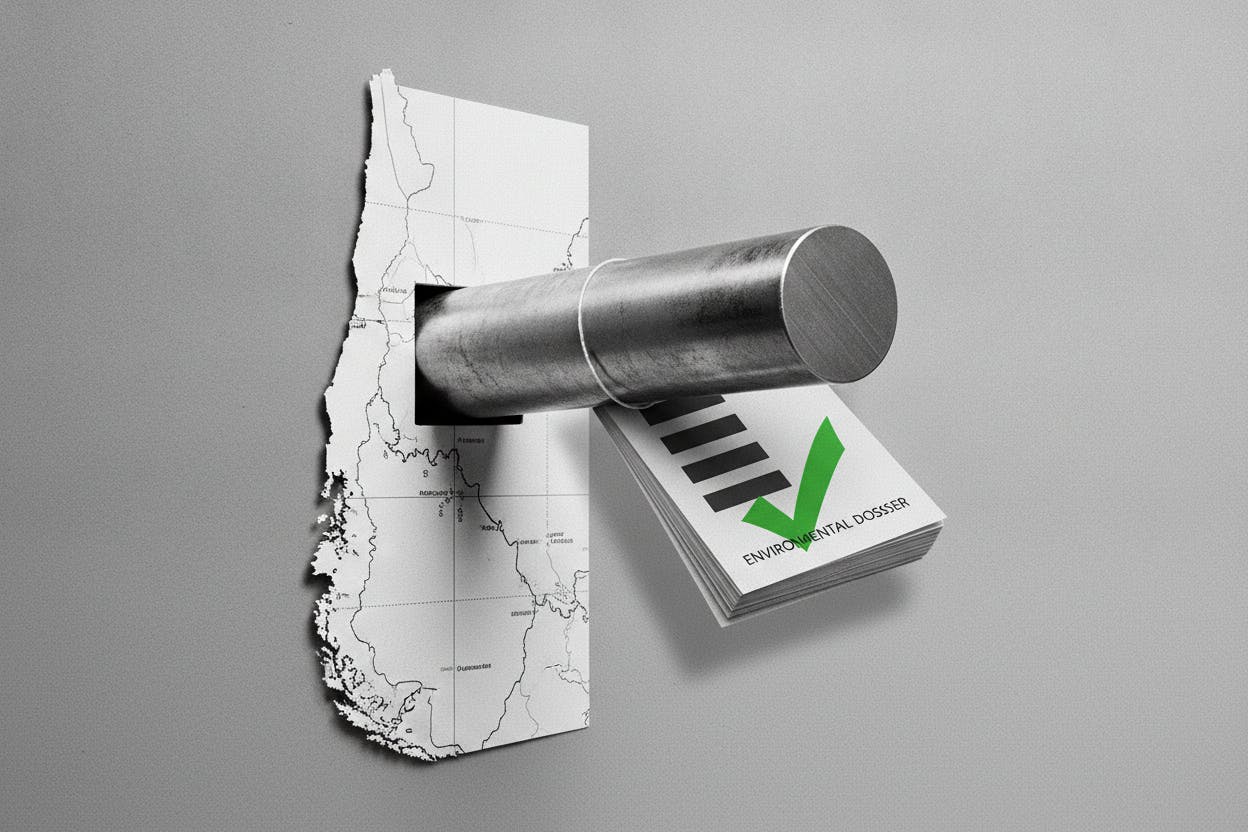
Chilean mining giant Antofagasta is taking steps to advance two long-range copper projects, Encierro and Volcanes, by re-entering them into the country's environmental permitting system. The company plans to submit environmental impact declarations (known as DIAs) for both prospects in the fourth quarter of this year, according to a company document seen by Reuters.
The move comes after Antofagasta earmarked $155 million for exploration spending, signaling a continued commitment to expanding its copper pipeline despite regulatory hurdles and a challenging permitting environment in Chile.
What Are Encierro and Volcanes?
Encierro is a joint venture with Barrick Mining located in the Atacama region of northern Chile, a mineral-rich area that hosts many of the country's major copper operations. The project previously attempted to enter the permitting process in 2024, but regulators closed that application after determining it lacked essential information, including details on protected bird species in the area.
Volcanes is a separate copper prospect also held by Antofagasta. Both projects are considered early-stage, meaning they are still years away from potential production even if they receive all necessary approvals.
Chile's environmental review system requires companies to submit detailed impact assessments before any mining activity can begin. The DIA is the entry point for projects deemed to have lower potential environmental impact, though it still requires thorough review and public consultation.
Why This Matters for Copper Markets
Copper is a critical metal for the global energy transition, used extensively in electrical wiring, renewable energy infrastructure, and electric vehicles. Chile is the world's largest copper producer, but new mine development has slowed in recent years due to rising costs, water scarcity, and stricter environmental regulations.
Antofagasta's decision to push forward with Encierro and Volcanes reflects the industry's need to replenish its project pipeline. Existing mines are aging, and ore grades are declining at many operations, making it harder to maintain production levels. Codelco, Chile's state-owned copper miner, has faced similar challenges, with high costs squeezing margins even when ore is available.
The $155 million exploration budget Antofagasta has set aside is a significant commitment, though it represents only a fraction of what would be needed to bring a new mine into production. For context, building a large copper mine can cost several billion dollars and take a decade or more from discovery to first output.
What It Means for Investors
For everyday investors, this news is a reminder that mining is a long-term business. Antofagasta is planting seeds today that may not bear fruit for many years. The company's willingness to invest in exploration despite regulatory setbacks suggests management sees long-term value in copper, even if short-term prices fluctuate.
Copper prices have been volatile in recent months, influenced by global economic uncertainty, interest rate expectations, and demand from China. Softer US jobs data recently boosted hopes that the Federal Reserve may cut rates, which could support commodity prices by weakening the US dollar and stimulating economic activity.
Investors should also note that permitting delays are common in Chile. The closure of Encierro's 2024 application for missing bird habitat information shows how even minor omissions can stall progress. Antofagasta will need to ensure its new filings are complete and address all regulatory concerns to avoid further setbacks.
The broader trend of major miners swapping or acquiring copper assets highlights the industry's scramble to secure future supply. Antofagasta's move is part of that pattern, though its focus remains on its home base in Chile rather than international expansion.
What to Watch Next
Investors should monitor the fourth-quarter filings for Encierro and Volcanes, as well as any updates from Chile's environmental regulator on the completeness of the applications. If the DIAs are accepted, the projects will enter a formal review process that could take months or years.
Also worth watching is Antofagasta's overall exploration spending. The $155 million budget is a signal of intent, but the company may adjust it based on copper prices, project progress, or corporate priorities. Other miners have recently boosted exploration budgets after meeting production targets, suggesting the sector is in an expansionary mood.
For now, Antofagasta is taking a patient approach, working through Chile's regulatory system step by step. The outcome of these filings will be an early test of whether the country's permitting process can accommodate new mining projects in a timely manner.