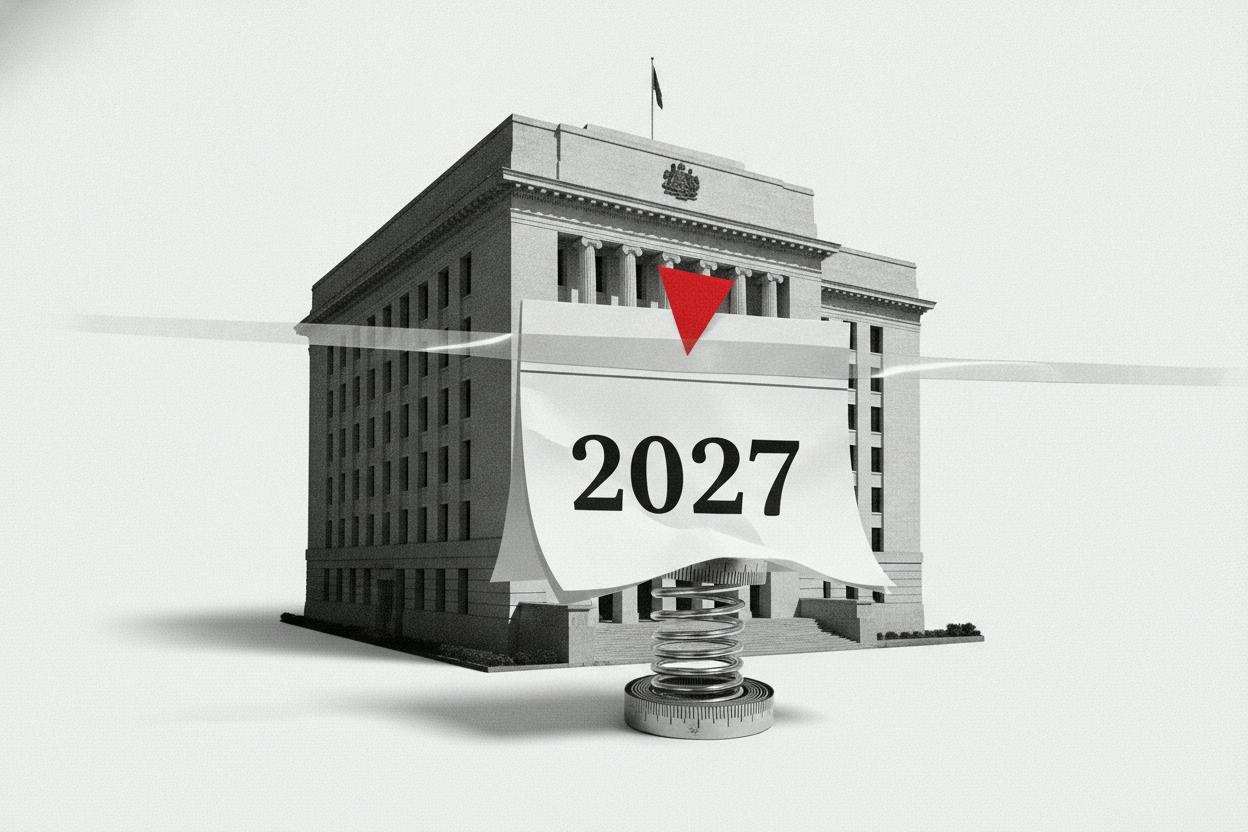
ANZ, one of Australia's biggest banks, told clients on Tuesday that it now expects the Reserve Bank of Australia (RBA) to start cutting interest rates in June 2027. The bank's revised forecast sees three cuts in total, but it warns that stubborn underlying inflation could push that first move even further out.
Under ANZ's new path, the cash rate would be cut for the first time in June 2027, then again in August, bringing it to 4.35%, and once more in early 2028 to 4.10%. That would represent a meaningful easing from the current level, but the timing is far from certain.
Why the RBA might wait
ANZ's forecast is built on a specific set of conditions. The bank says the path becomes plausible if the labor market cools, demand in the economy keeps easing, and underlying inflation—which strips out volatile items like food and energy—slows enough to sit inside the RBA's target range on a quarterly basis.
Underlying inflation is a key measure the RBA watches closely because it gives a clearer picture of persistent price pressures. If that measure stays above the bank's 2% to 3% target band, policymakers are likely to hold rates higher for longer.
There's also a political wrinkle. ANZ notes that the federal budget lands after the May 2027 RBA meeting. That means policymakers may want to see whether government spending and tax changes reduce inflation pressure before they commit to a cut. Waiting a few extra weeks could give them more clarity on the fiscal backdrop.
The main risk: sticky inflation
ANZ highlights the biggest risk to its forecast: if underlying inflation stays persistently above target, a June 2027 cut becomes much less likely. In that scenario, expectations could shift quickly, and markets would start pricing in a later start to the easing cycle.
This is not just an academic exercise. Rate expectations feed directly into financial markets, and they can move well before the RBA actually acts. Investors constantly reprice where rates are headed, and that repricing can ripple through to borrowing costs for households and businesses.
What it means for investors
For everyday investors, the key takeaway is that rate expectations can hit fixed mortgages and term deposits before the RBA moves. Fixed-rate mortgages tend to track wholesale rates like swap rates, so lenders may tweak fixed deals well ahead of any official cut if traders start to believe ANZ's path. That means if you're shopping for a fixed-rate loan, the quoted rate could already reflect expectations of future cuts.
Variable mortgage rates and easy-access savings rates usually follow the cash rate more directly, but often with a lag as banks pass through changes in their own funding costs. So even if the RBA hasn't moved, the rates you see on savings accounts or variable loans can shift as banks adjust to market conditions.
The flip side is volatility. If inflation data keeps running hot and the market decides the first cut is later than June 2027, some of that earlier repricing in fixed loans and term deposits can reverse—even while the RBA's cash rate stays unchanged. That can create whiplash for investors who locked in rates based on a particular forecast.
For context, other central banks are also grappling with similar inflation dynamics. In Canada, for example, October inflation gave the Bank of Canada room to pause in December, showing how sticky price pressures are a global theme. Meanwhile, markets are watching upcoming inflation data closely, as stocks rebound ahead of a key PCE inflation test in the US.
ANZ's forecast is just one view, and rate paths are notoriously hard to predict. But the message is clear: the era of ultra-low rates is not returning soon, and investors should be prepared for a longer wait before the RBA starts easing. That has implications for everything from bond yields to property prices to the returns on your savings.
As always, the best approach is to stay informed and avoid making big financial decisions based on a single forecast. Rate expectations can change quickly, and what looks like a sure thing today could be outdated tomorrow.