Houston-based oil and gas producer APA Corp. topped Wall Street's third-quarter profit estimates, thanks largely to a jump in oil prices that more than made up for a slight decline in production. The company also outlined plans to boost spending in two key growth areas, signaling confidence in its long-term outlook.
Higher prices, lower output
APA reported adjusted earnings of $1.94 per share for the September quarter, beating the $1.55 analysts had expected, according to LSEG data. The outperformance came even as total production slipped about 3% from a year earlier.
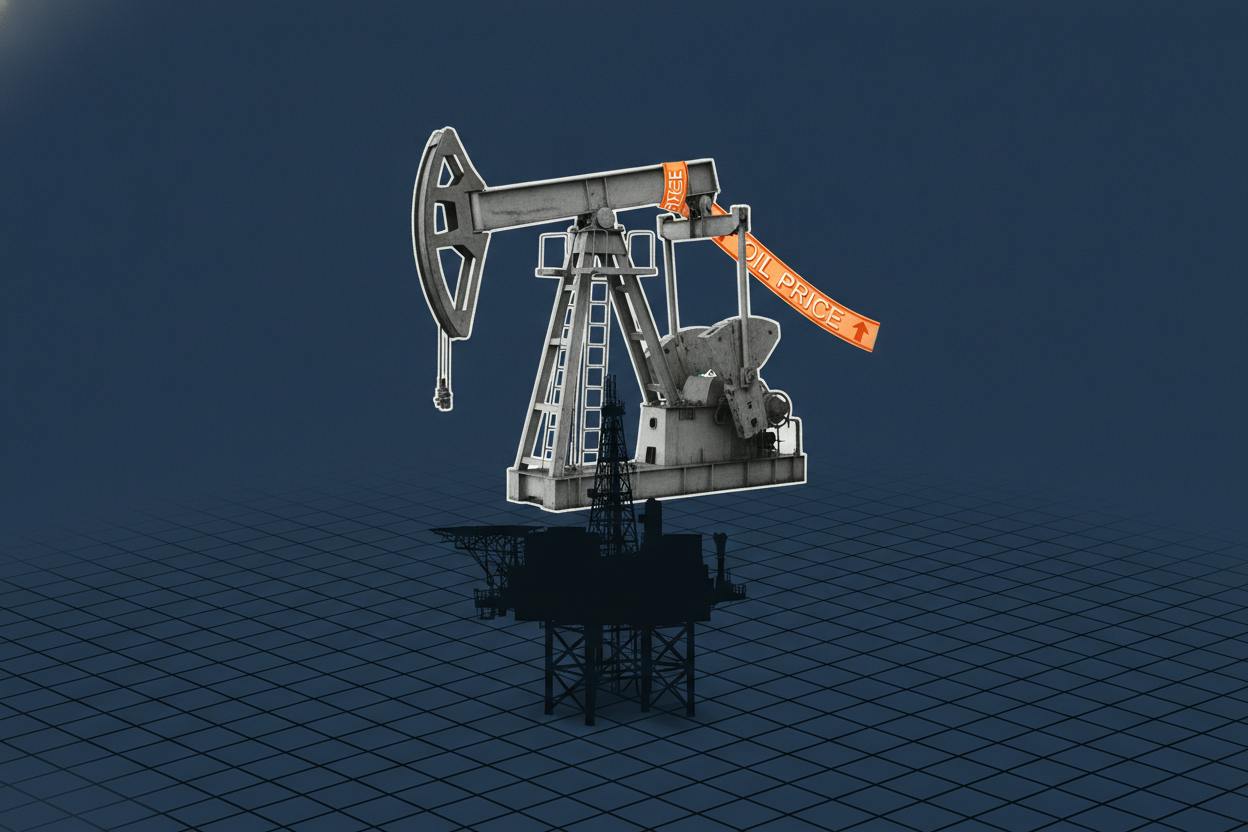
The main driver was the price of oil. Brent crude, the global benchmark, averaged $89.27 a barrel during the quarter, a 31% increase from the same period last year. APA's realized oil price climbed even more, rising over 36% to $92.02 a barrel. That means the company got paid more for every barrel it sold, which helped lift revenue and profits despite producing less.
For everyday investors, this highlights how sensitive oil and gas companies' earnings are to commodity prices. When prices rise, even a small dip in output can be overshadowed by the extra cash flowing in. Conversely, when prices fall, producers can see profits shrink quickly even if they keep pumping the same amount.
What's behind the output dip?
The 3% decline in production is not unusual for a mature oil company. Fields naturally decline over time, and companies often have to drill new wells just to keep output flat. APA has been working to offset that by investing in new projects, particularly in the Permian Basin of West Texas and New Mexico, and in Suriname, a small country on South America's northeast coast where offshore oil discoveries have drawn major industry attention.
APA said it plans to increase spending in both areas. That suggests management sees enough opportunity to justify putting more capital to work, even as some investors worry about oversupply and volatile prices. The Permian is already a major production hub, while Suriname is still in the early stages of development, with the potential for significant long-term growth.
The company's decision to spend more is a bet that future returns will outweigh the costs. For shareholders, higher capital spending can be a double-edged sword: it can lead to more production and profits down the road, but it also means less cash returned to investors in the near term.
What it means for investors
APA's results are a reminder that energy stocks often move in lockstep with oil prices. When Brent climbs, companies like APA tend to see their earnings and share prices rise. When prices fall, the opposite happens. That makes energy stocks a way to bet on the direction of oil, but it also means they can be more volatile than the broader market.
Investors should also watch how much companies spend on new projects versus returning cash to shareholders. APA's increased spending in Suriname and the Permian could pay off if oil prices stay strong, but it also carries risk if prices weaken. The company's ability to beat estimates this quarter shows the benefit of higher prices, but the production decline is a reminder that growth isn't guaranteed.
For those who own energy stocks or are considering them, it's worth keeping an eye on oil price forecasts and company spending plans. A sustained period of high prices could boost profits further, but a sharp drop could quickly erase those gains. As always, diversification across sectors can help manage the risk.
APA's report comes amid a broader backdrop of oil price swings that have dragged energy stocks lower at times, highlighting the sector's sensitivity to commodity moves. Meanwhile, other companies have shown how earnings beats can lift consumer ETFs, but energy's fortunes are tied more directly to the price of a single commodity.
Looking ahead, investors will likely focus on whether APA can maintain or grow production while keeping costs in check. The company's spending plans in Suriname and the Permian will be key to that story. If oil prices remain elevated, APA could continue to deliver strong profits. If they fall, the higher spending could become a drag.
For now, the third quarter shows that higher oil prices can do a lot of the heavy lifting for an oil producer. But the underlying challenges of declining output and rising costs remain, and how APA navigates those will determine its long-term success.