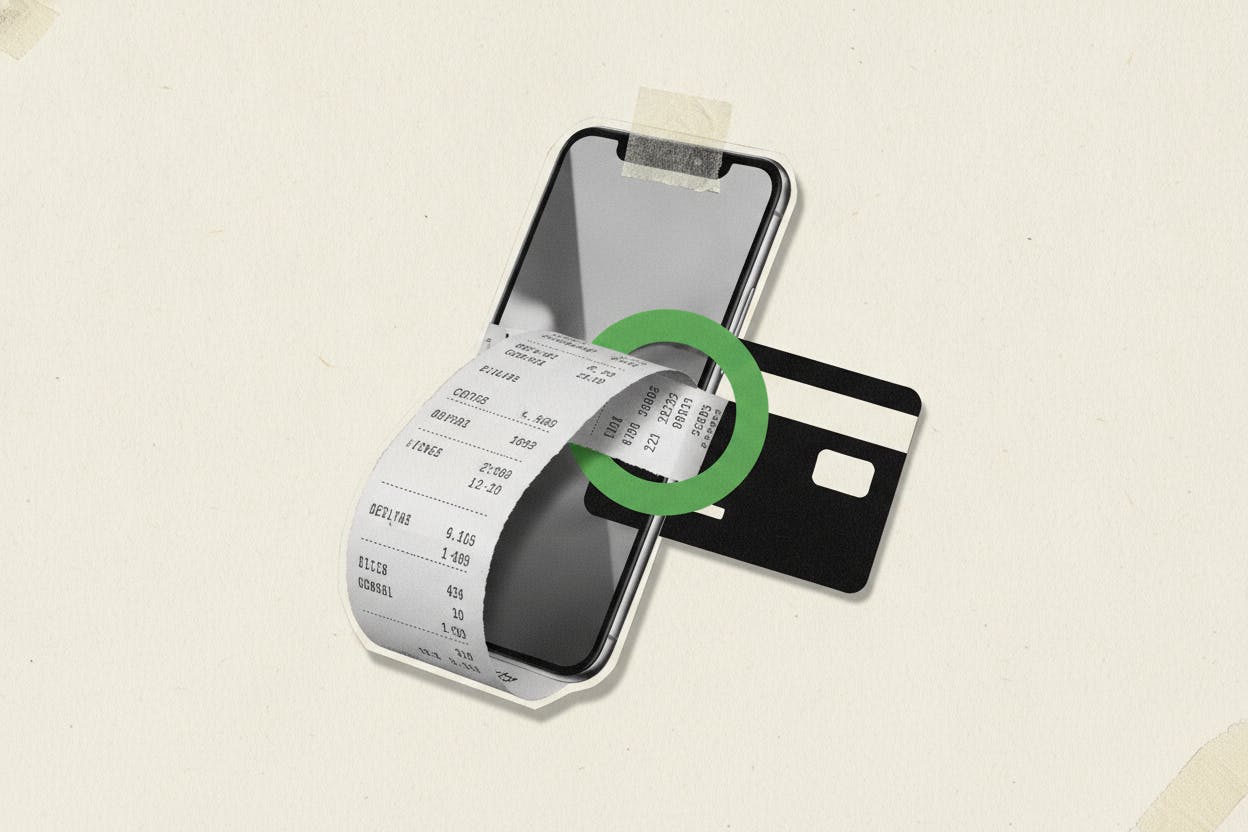
Apple has launched a new device leasing program in the United States in partnership with Klarna, the buy now, pay later firm. The program, called Apple Upgrade, lets customers pay monthly for iPhones, Macs, iPads, and Apple Watches, with starting prices as low as $11.99 a month for an Apple Watch or iPad, $17.99 for an iPhone, and $24.99 for a Mac. A key feature: the application uses only a soft credit check, meaning it won't affect your credit score.
How the program works
The Apple Upgrade program replaces Apple's existing iPhone Upgrade Program and iPhone Payments option in the US. It expands monthly payment plans to cover more devices, not just iPhones. Lease terms vary by device: 12 or 24 months for iPhones and Apple Watches, and 24 or 36 months for Macs and iPads. Customers can upgrade to a new device at the end of the lease term if they choose.
Klarna, a Swedish fintech company known for its buy now, pay later services, is handling the credit checks and payment processing. The soft credit check means that applying for the program won't leave a mark on your credit report or lower your credit score, unlike a hard inquiry that would. This makes the program more accessible to a wider range of customers, including those who might be wary of impacting their credit.
What this means for investors
For Apple investors, this move is about more than just offering a new payment option. It's a strategy to make Apple's premium-priced devices more affordable and to lock customers into the Apple ecosystem. By offering a leasing model, Apple can potentially increase device sales and upgrade frequency, especially among customers who might otherwise balk at the upfront cost of a new iPhone or Mac. The partnership with Klarna also signals Apple's willingness to work with fintech firms to expand its reach, rather than relying solely on its own financial services.
For Klarna, the deal is a major win. Partnering with Apple gives Klarna a massive new customer base and a high-profile endorsement. It could boost Klarna's revenue and user growth, and potentially strengthen its position in the competitive buy now, pay later market. Investors in Klarna, which is privately held but has been rumored to be considering an IPO, will watch how this partnership affects its financials.
From a broader market perspective, the move reflects a trend in consumer electronics: shifting from one-time purchases to subscription or leasing models. This approach provides companies with recurring revenue streams and more predictable cash flows. It also aligns with consumer preferences for spreading out costs, especially in a high-interest-rate environment where big-ticket purchases can strain budgets.
Risks and considerations
While the program is attractive, investors should consider potential risks. Leasing programs can lead to higher default rates if customers fail to make payments, though Klarna's credit checks and the soft check approach may mitigate some of that risk. Additionally, the program could cannibalize outright sales, reducing Apple's upfront revenue. However, the recurring revenue and customer loyalty benefits may outweigh these concerns over the long term.
Apple's move also comes amid a broader push into services and subscriptions, as seen in its commitment to its TV+ streaming service and other recurring revenue streams. The device leasing program is another piece of that puzzle, aiming to deepen customer engagement and create a more predictable revenue base.
What to watch next
Investors will want to monitor adoption rates of the Apple Upgrade program and any impact on Apple's device sales and average selling prices. They should also watch for any expansion of the program to other countries or additional devices. For Klarna, the partnership could be a catalyst for its growth and potential public listing. The broader fintech and consumer electronics sectors will also be watching closely, as this deal could set a precedent for similar partnerships.
In summary, Apple's new device leasing program with Klarna is a strategic move to make its products more accessible while building recurring revenue. For everyday investors, it's a reminder of the growing importance of subscription and leasing models in the tech industry, and a signal that Apple is willing to partner with fintech firms to achieve its goals.