Dealmakers were busy on Monday, with a flurry of transactions spanning aerospace and sports. Archer Aviation, a company developing electric vertical takeoff and landing (eVTOL) aircraft, announced it will acquire Boeing's Wisk Aero, a rival in the air taxi space. In a separate development, reports emerged that a consortium including Amazon founder Jeff Bezos is close to buying a significant stake in Liverpool Football Club, one of the most prominent teams in English soccer.
Archer and Wisk: A Consolidation in the Air Taxi Race
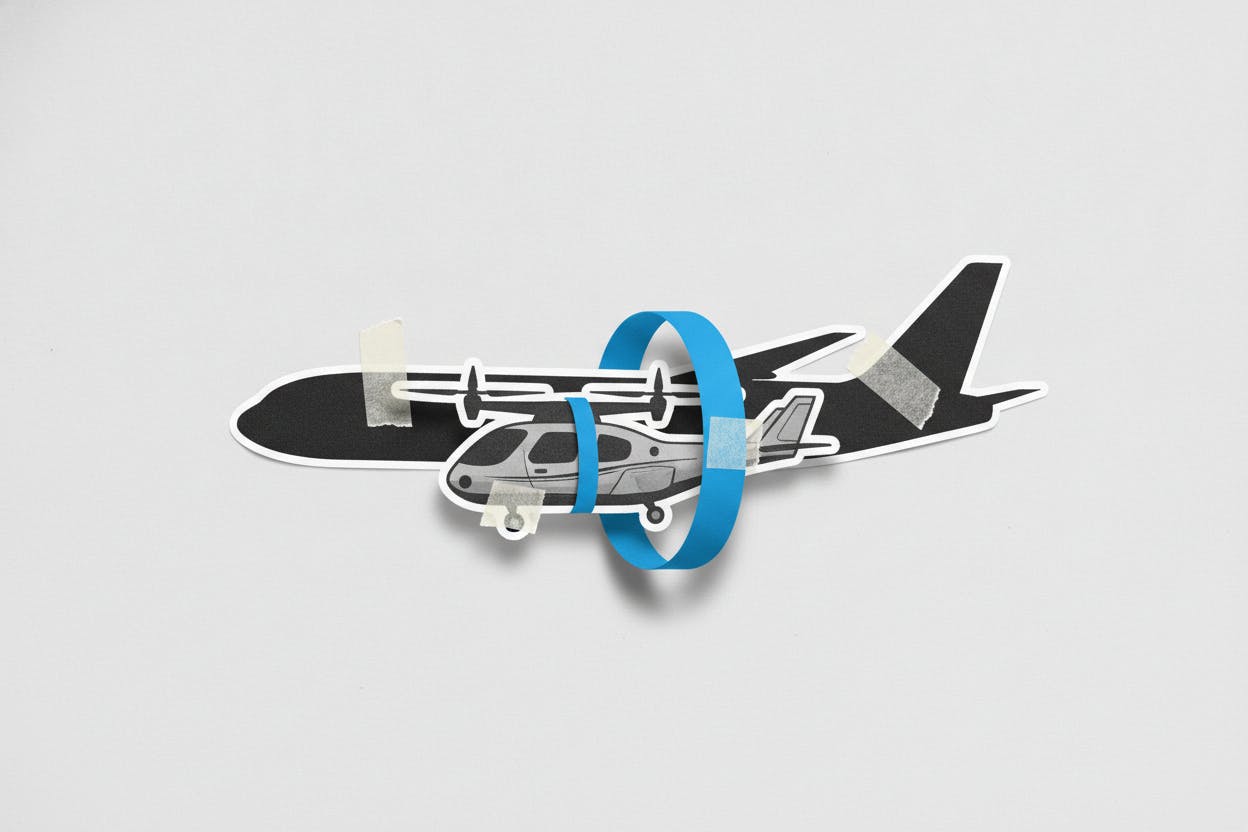
Archer Aviation's acquisition of Wisk Aero is a notable consolidation in the emerging air taxi industry. Both companies are developing electric aircraft designed to carry passengers on short urban routes, often referred to as air taxis. Archer has been working on its own eVTOL aircraft, while Wisk, backed by Boeing, has been developing autonomous flying vehicles. The deal brings together two of the most well-funded players in the sector, potentially accelerating the path to commercial operations.
For Boeing, the sale of Wisk represents a strategic shift. The aerospace giant has been focusing on its core commercial and defense businesses, and divesting its air taxi unit allows it to streamline operations. For Archer, the acquisition could provide access to Wisk's technology, intellectual property, and engineering talent, strengthening its position in a competitive market.
The air taxi industry has attracted significant investment in recent years, with companies like Joby Aviation and Lilium also vying for a share of the market. However, the sector faces substantial hurdles, including regulatory approval, infrastructure development, and public acceptance. Consolidation like this is often seen as a sign of maturation, as companies seek to combine resources to overcome these challenges.
Bezos and Liverpool: A High-Profile Sports Investment
In the world of sports, reports suggest that Jeff Bezos is part of a consortium close to acquiring a major stake in Liverpool FC. Liverpool is one of the most successful clubs in English football history, with a massive global fanbase. The club's current owners, Fenway Sports Group (FSG), have been open to outside investment, and a deal with Bezos would bring significant financial firepower.
Sports team ownership has become an increasingly popular asset class for wealthy investors, with valuations soaring in recent years. A stake in Liverpool would not only provide Bezos with a high-profile asset but also potential returns from broadcasting rights, merchandise, and matchday revenue. For Liverpool, new investment could fund stadium expansions, player acquisitions, and other growth initiatives.
While the deal is not yet finalized, reports indicate that it could be one of the largest sports investments in history. The involvement of Bezos, one of the world's richest people, underscores the growing appeal of sports franchises as investment vehicles.
Other Notable Deals: Teledyne and Bowman Consulting
The day's deal flow also included Teledyne Technologies' agreement to acquire Varex Imaging for $1.1 billion. Teledyne, a diversified industrial company, is expanding its portfolio in imaging and detection technologies. Varex, which specializes in X-ray imaging components, will complement Teledyne's existing operations and provide new growth opportunities.
In the engineering and consulting sector, Bowman Consulting agreed to a $1 billion take-private deal. The company, which provides infrastructure and environmental services, will be acquired by private equity investors. Take-private transactions like this are common when investors believe a company's value is not fully recognized by the public markets.
These deals are part of a broader trend of merger and acquisition activity across industries. Low interest rates and strong corporate balance sheets have fueled a wave of dealmaking, as companies seek to grow through acquisitions rather than organic expansion.
What It Means for Investors
For everyday investors, these deals highlight the importance of understanding the strategic rationale behind mergers and acquisitions. When a company like Archer acquires a competitor, it can create synergies and reduce competition, potentially benefiting shareholders. However, integration risks are real, and not all deals deliver the promised value.
In the case of sports investments, the financial returns can be less predictable. While top-tier clubs like Liverpool can generate substantial revenue, they also face high operating costs and regulatory risks. Investors should view such deals as long-term bets on brand value and global fan engagement.
For those holding shares in Teledyne or Bowman, the deals could have direct implications. Teledyne's acquisition of Varex may lead to cost savings and new product offerings, while Bowman's take-private means its shares will no longer trade on public markets, potentially offering a premium to existing shareholders.
As always, it's wise to keep an eye on how these deals progress. Regulatory approvals, financing conditions, and shareholder votes can all affect the outcome. For now, the flurry of activity suggests that dealmakers remain confident in the economic outlook, even as markets navigate uncertainty.