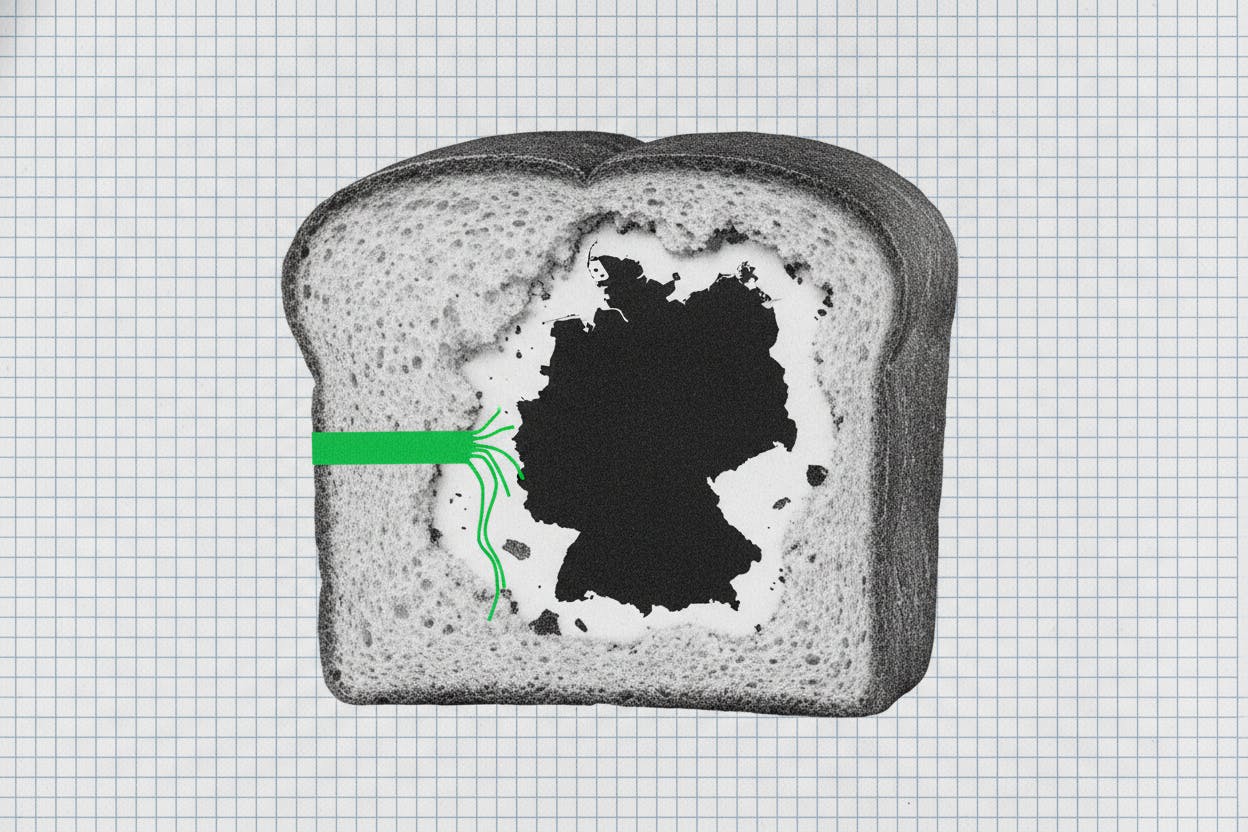
Shares of Aryzta, the Swiss frozen-bakery supplier, tumbled more than 12% in Zurich on Tuesday after the company reported slightly lower first-half profit and sales and announced a review of its struggling German operations. The drop underscores how persistent weakness in one of its key markets is overshadowing the company's plans to resume payouts to shareholders.
For the six months ended June 30, Aryzta's attributable profit slipped to €47.2 million from €49.1 million a year earlier, while revenue fell to €1.06 billion from €1.09 billion. Management pointed to Europe—and Germany in particular—as the main drag, citing cautious consumers and extra industry capacity that are intensifying price competition.
Why Germany is a problem
Germany is Aryzta's most challenged market, and the company has now opened a formal review of that business. The review is likely to consider options ranging from restructuring to a potential sale, though the company has not disclosed specifics. For investors, the key takeaway is that Aryzta is acknowledging that its German operations need a strategic fix, not just operational tweaks.
The scale of the issue is clear from the numbers: Europe generated €942.7 million of revenue in the first half, versus just €121.2 million from the rest of the world. That means Europe accounts for roughly 89% of Aryzta's total sales, so any weakness there hits the whole company hard.
Germany's problems are not unique to Aryzta. The country's economy has been sluggish, and consumer confidence has been dented by inflation and uncertainty. In the baked-goods sector, new production capacity has come online, leading to oversupply and forcing companies to cut prices to win orders. That squeezes margins and makes it harder for a supplier like Aryzta to pass on higher costs.
Shareholder returns still on the table
Despite the disappointing results, Aryzta reiterated its intention to restart shareholder returns. The company had previously suspended dividends and buybacks as it worked to reduce debt and turn around its business after years of turbulence. The fact that management is sticking with that plan suggests they believe the underlying cash flow is strong enough to support both the review and returning capital to investors.
However, the market's reaction shows that investors are not fully convinced. A 12% drop is a sharp move, and it signals that the Germany review introduces uncertainty about the timing and size of any future payouts. If the review leads to a sale or a major restructuring, it could delay or reduce the capital returns that shareholders have been waiting for.
What it means for investors
For everyday investors, the Aryzta story is a reminder that a company's overall performance can be heavily influenced by a single region or business line. Even if a company has a clear plan to reward shareholders, problems in a key market can undermine that plan and hit the share price.
Investors should watch for updates from the Germany review, as any decision will likely have a significant impact on Aryzta's future earnings and its ability to return cash. The company's reliance on Europe means that broader economic trends in the region—especially in Germany—will remain a key factor to monitor.
In the meantime, the stock's sharp decline reflects the market's disappointment and the uncertainty ahead. For those holding Aryzta shares, the next few months will be crucial as the company outlines its strategy for Germany and clarifies its shareholder return plans.