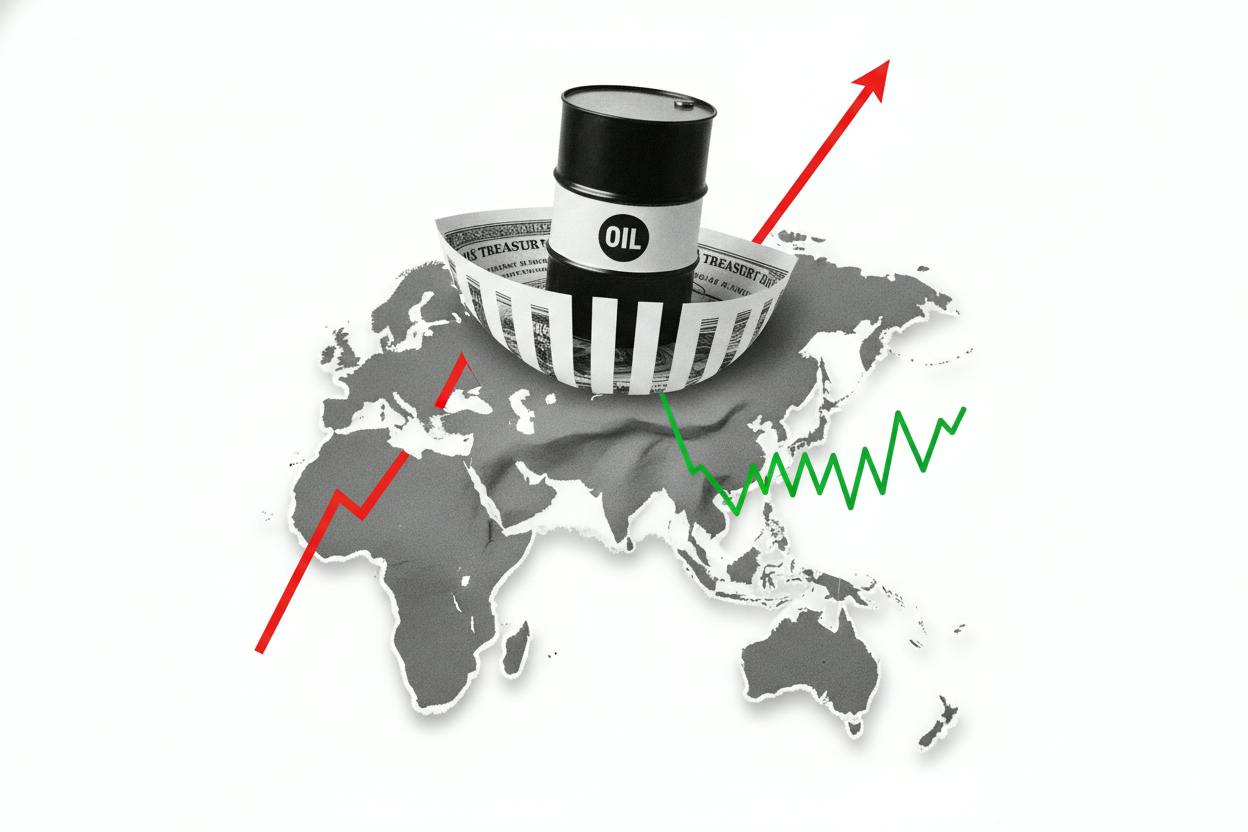
Asian markets opened the trading day under a familiar but uncomfortable cloud: oil prices hovering near $106.60 a barrel and the US 10-year Treasury yield climbing above 5.27% — a level not seen in 19 years. The combination is squeezing regional stocks and government bonds, as investors weigh the prospect of persistently higher inflation and tighter monetary policy.
Why Treasury yields matter so much
US Treasuries are often described as the world's 'base rate' — the benchmark against which virtually every other asset is priced. When yields on these government bonds rise, investors tend to demand higher returns from riskier investments, from stocks to corporate bonds and even mortgages. That's because holding a safe, liquid US government bond becomes relatively more attractive, so other assets must offer a bigger payoff to compete.
The recent climb in the 10-year yield has been sharp. According to Reuters, the yield rose almost 50 basis points through September, part of the biggest monthly selloff in Treasuries in two years. The move reflects growing expectations that the Federal Reserve will keep interest rates higher for longer to combat stubborn inflation. As a result, the ripple effects are being felt far beyond US shores.
Oil adds to the pressure
Brent crude, the international oil benchmark, staying near $106.60 adds another layer of concern. Higher energy prices feed directly into inflation, as they raise costs for transport, manufacturing, and heating. For central banks trying to bring inflation down, a sustained rise in oil is unwelcome news — it can force them to keep policy tight even as economic growth slows.
For Asian economies, many of which are net importers of oil, the combination of high crude prices and rising US yields is a double whammy. It pushes up import bills and, through higher global interest rates, can put downward pressure on local currencies and increase the cost of servicing dollar-denominated debt.
What this means for investors
For everyday investors, the key takeaway is that the era of cheap money and low inflation is firmly in the rearview mirror. When Treasury yields are at multi-decade highs, the risk-free return on cash and bonds becomes more attractive, which can pull money out of stocks. That's a dynamic that has already been weighing on US equities, and it's now spreading to Asia.
Regional stock markets have been feeling the heat. The Nikkei slid 1.23% in recent trading as rising yields and oil revived inflation fears. Similarly, Asian stocks slipped as the twin pressures of higher oil and Treasury yields took their toll.
Government bonds in the region are also under pressure. When US yields rise, investors often sell other bonds to buy Treasuries, pushing yields up elsewhere. That means higher borrowing costs for governments and companies in Asia, which can weigh on economic growth and corporate profits.
What to watch next
Investors will be closely watching the Federal Reserve's next moves. The market is pricing in more tightening, but the actual path will depend on incoming data, particularly inflation and jobs reports. A strong jobs report could reinforce the case for higher rates, while a weak one might ease the pressure.
Oil prices are another wildcard. Geopolitical tensions, particularly around the Strait of Hormuz, have kept crude elevated. Any escalation could push prices even higher, adding to inflation worries. Conversely, a de-escalation could provide some relief.
For now, the message for investors is to expect continued volatility. The combination of high oil and high yields is a challenging environment for both stocks and bonds. Diversification and a focus on quality assets may be more important than ever.
As always, it's wise to keep a long-term perspective. While the current backdrop is uncomfortable, markets have weathered similar storms before. Staying informed and avoiding knee-jerk reactions is often the best strategy.