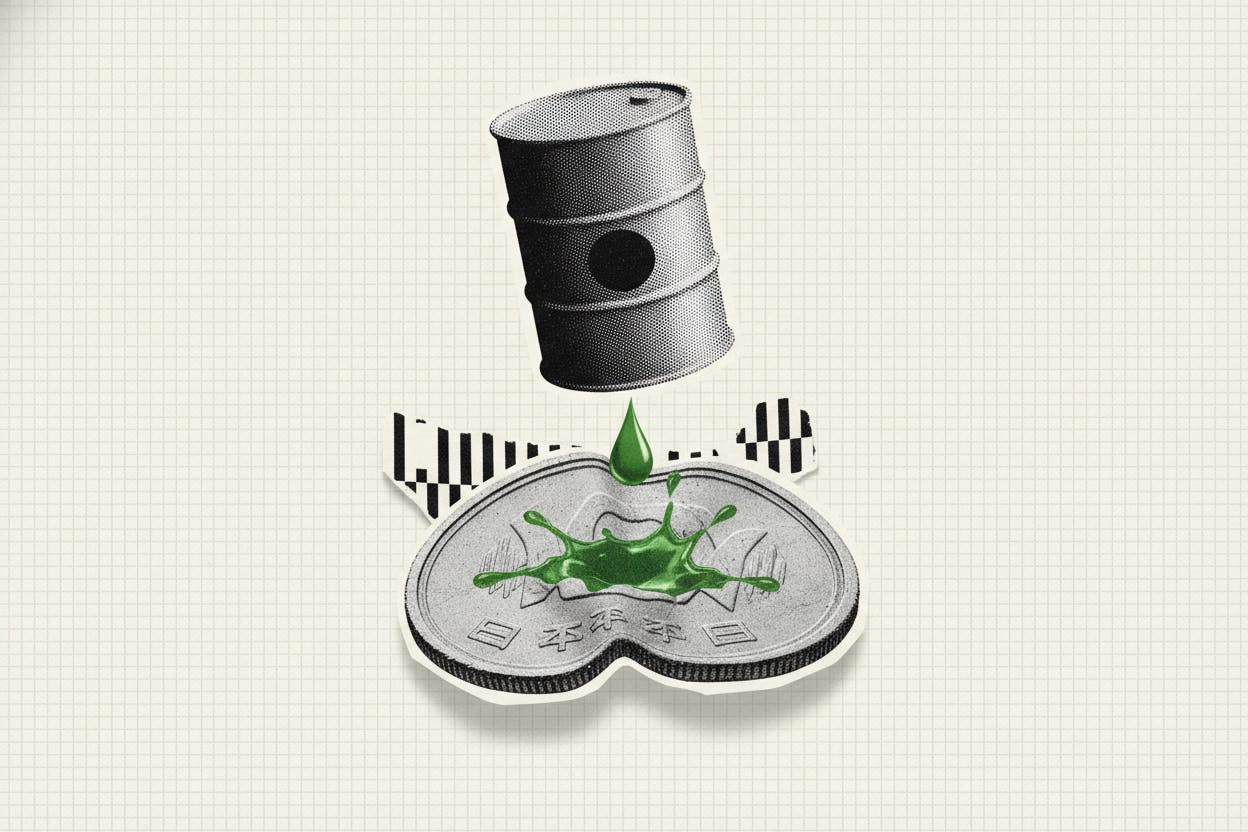
Asian markets ended the session on a mixed note, with oil prices jumping and technology shares holding their ground. Brent crude climbed 2.3% to $85.71 a barrel, while Japan's Nikkei 225 edged up 0.3% and Hong Kong's Hang Seng slipped 0.6%.
The moves reflect a tug-of-war between two competing narratives. On one hand, higher oil prices can feed into inflation and squeeze profit margins, especially for economies that rely heavily on energy imports. On the other, continued strength in AI- and semiconductor-related names has helped keep risk appetite from fading across the region.
Oil's rise and its ripple effects
Brent crude's jump to $85.71 marks a notable move for the global benchmark. Oil prices have been volatile recently, influenced by supply concerns, geopolitical tensions, and shifting demand expectations. When crude rises, it often raises costs for transportation, manufacturing, and consumer goods, which can translate into higher inflation readings.
For central banks, that's a complication. Higher inflation could slow the pace of interest rate cuts, or even prompt tighter policy, which tends to weigh on stock valuations. However, the impact is not uniform. Energy-exporting nations may benefit from higher revenues, while importers face a drag on growth.
In Asia, Japan and Hong Kong illustrate the split. Japan's Nikkei gained, helped by a weaker yen against the US dollar. A softer yen tends to support Japanese exporters by making their overseas earnings worth more when converted back into yen. Hong Kong's Hang Seng, meanwhile, slipped, reflecting concerns about higher energy costs and their effect on the territory's trade-dependent economy.
Tech holds the line
Despite the oil-driven headwinds, technology shares remained relatively steady. The resilience of AI and chip stocks has been a key theme in global markets recently, as investors bet on long-term demand for computing power and data centers. That optimism has helped offset some of the caution stemming from higher oil prices.
As we noted in our earlier coverage of AI and chip stocks leading the tech rally, the sector's momentum has been a bright spot. Even when broader markets wobble, tech names often attract buyers looking for growth. That dynamic appears to be at play in Asia, where semiconductor and software companies have helped stabilize indices.
Still, the relationship between oil and tech is not straightforward. If crude keeps climbing, it could eventually weigh on consumer spending and corporate earnings, which would hit even the most popular tech names. For now, though, investors seem willing to look past the energy spike.
What it means for investors
For everyday investors, the mixed session is a reminder that markets rarely move in one direction. Higher oil prices can be a double-edged sword: they boost energy stocks but can hurt airlines, shipping, and other fuel-intensive industries. They also complicate the inflation picture, which influences everything from bond yields to mortgage rates.
If you hold a diversified portfolio, you're likely already exposed to both sides of this trade. Energy stocks may benefit from rising crude, while consumer and tech stocks could face pressure if costs rise. The key is to stay focused on long-term fundamentals rather than reacting to daily swings.
Investors should also watch how central banks respond. If oil-driven inflation persists, it could delay expected rate cuts, which would affect borrowing costs and asset prices. On the flip side, if oil prices retreat, the pressure could ease quickly.
Recent sessions have shown how quickly sentiment can shift. For instance, US stocks rose as Hormuz deal hopes pushed oil lower, highlighting how geopolitical developments can move markets. Similarly, stocks edged up as Hormuz reopening hopes met strong earnings, underscoring the interplay between energy and corporate results.
Looking ahead
Traders will be watching oil inventories, Middle East headlines, and any signals from major central banks. The path of crude will likely remain a key driver for Asian markets in the near term. At the same time, tech earnings and AI-related news could provide support, as seen in the recent European ADR rally led by tech.
For now, the message is one of caution and balance. Oil's jump is a reminder that inflation risks haven't disappeared, but tech's resilience shows that growth stories still have legs. Investors should keep an eye on both, and remember that diversification remains a powerful tool in uncertain times.