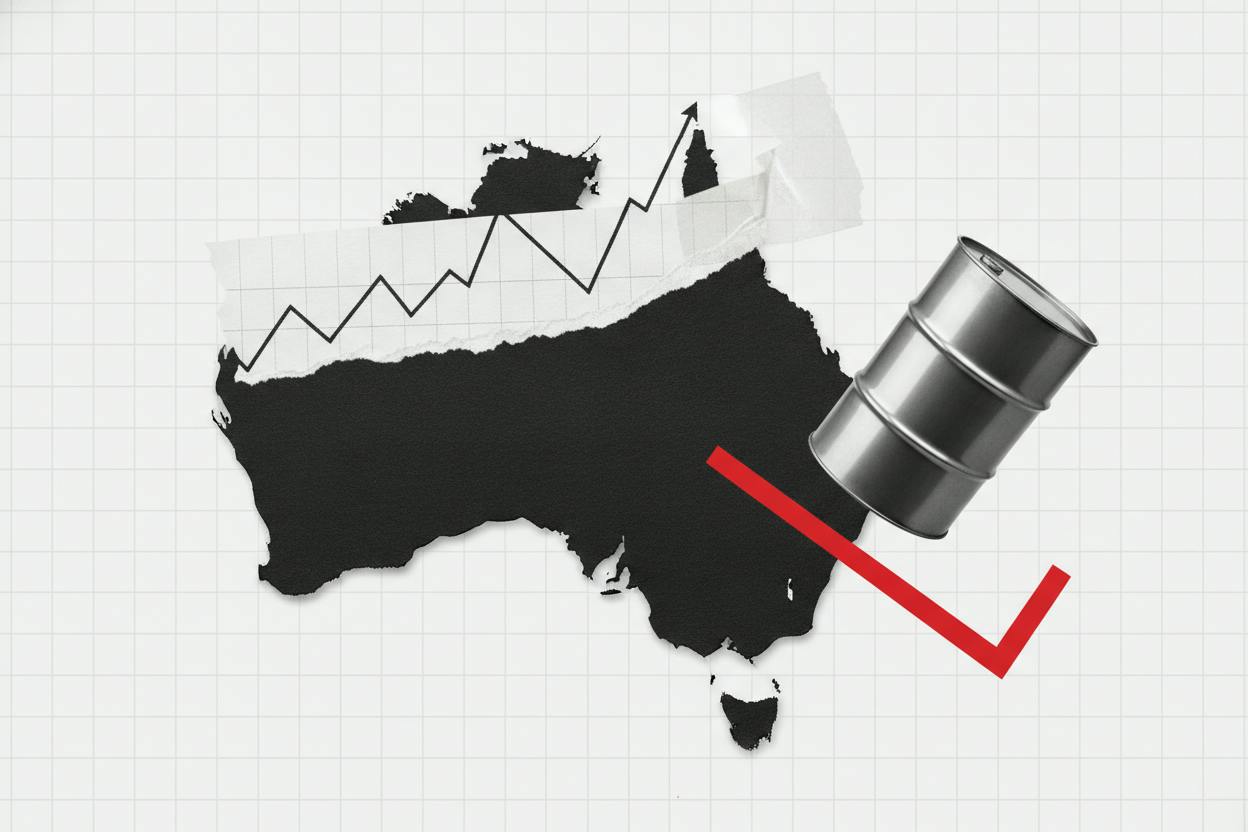
Australian shares climbed to their highest level in more than two months on Tuesday, as a sharp pullback in oil prices eased concerns about inflation and boosted the outlook for interest-rate-sensitive sectors. The S&P/ASX 200 rose 0.8% to close at 9,099.90, its strongest finish since late August.
The gains were led by technology and real estate stocks, which rose 2.1% and 2% respectively, while energy companies lagged as crude prices retreated. The move reflects a broader shift in investor sentiment: when oil falls, it can reduce the near-term inflation outlook, which in turn supports expectations that central banks may not need to keep interest rates as high for as long.
Why oil prices fell
Crude oil dropped by more than $7 a barrel to levels not seen since late August, according to Reuters. The trigger was a statement from US President Donald Trump, who played down the chance of renewed strikes on Iran. That eased fears that escalating conflict in the Middle East could disrupt supply and push fuel costs higher, which would have fed into inflation.
For everyday investors, the link between oil and the broader market can seem indirect, but it matters. Fuel and transport costs are embedded in the price of almost everything we buy, from groceries to plane tickets. When oil prices rise, it can push inflation up, which often leads central banks to keep interest rates higher for longer. When oil falls, the opposite tends to happen: inflation pressure eases, and markets start to price in the possibility of rate cuts.
That dynamic was on full display on Tuesday. Energy stocks slipped 0.4%, with heavyweights Woodside and Santos falling 0.8% and 0.9% respectively. Lower crude prices directly hit the revenue expectations of oil producers, so it's no surprise they underperformed on a down-oil day.
In contrast, airlines, which are sensitive to jet-fuel costs, gained. Qantas rose 2.7%, while Virgin Australia added 0.7%. Cheaper fuel means lower operating costs for carriers, which can boost profit margins.
Miners and gold also helped
The market's advance wasn't just about oil. Miners also contributed, as copper prices rebounded and gold stocks rose alongside firmer bullion. BHP gained 1.1%, Rio Tinto added 0.9%, and gold miners Northern Star and Evolution rose 0.9% and 1.3% respectively.
Gold often benefits when investors seek a safe haven or when they expect interest rates to fall, since the metal pays no yield. Copper, meanwhile, is seen as a barometer of global economic health, so a rebound can signal improving demand expectations.
What it means for investors
For Australian investors, the day's moves illustrate how a single commodity price shift can ripple through different parts of the market. A $7-plus drop in oil can favour tech and property stocks over producers like Woodside, because it changes the calculus for future profits and interest rates.
Here's the key mechanism: when investors see less inflation pressure, they tend to expect lower interest rates down the track. That reduces the 'discount rate' used to value profits that arrive further in the future. Lower discount rates make long-duration assets—like technology companies, whose earnings are expected to grow for years, and real estate investment trusts, which rely on steady income—more attractive. That's exactly where Tuesday's gains were concentrated.
For everyday investors, this doesn't mean you should rush to buy tech or sell energy stocks. Rather, it's a reminder that markets are constantly repricing based on changing expectations about inflation and interest rates. A single day's move can be driven by headlines, but the underlying trend matters more over the long term.
Investors will likely keep a close eye on oil prices and any further developments in the Middle East. If crude continues to slide, it could provide a tailwind for rate-sensitive sectors. But if tensions flare again, the reverse could happen.
Related reading: Australian shares set to rise as oil slide eases Iran worries and stocks rally 2% as Trump cools Iran fears.