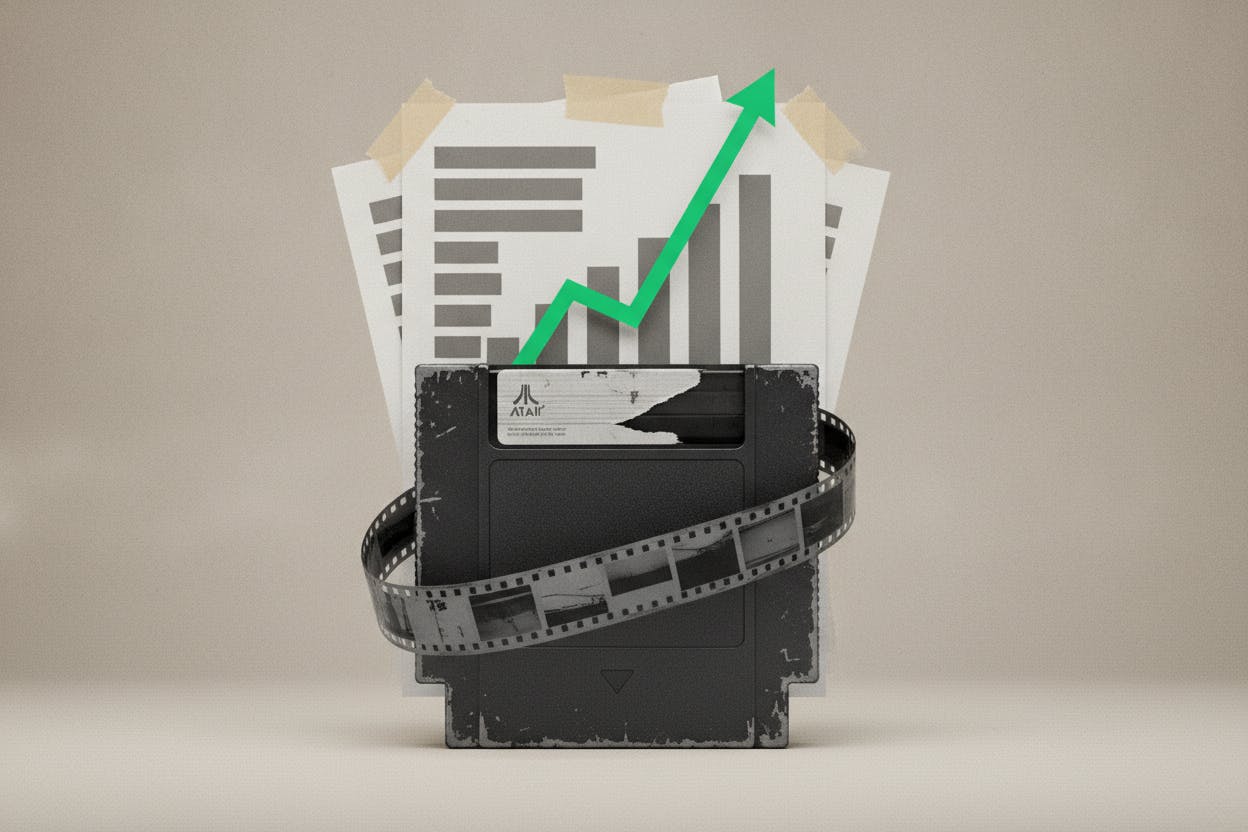
Atari, the Paris-based gaming company that helped define the industry's early days, just posted its biggest revenue year in more than a decade. The company pulled in €56 million, and—more importantly for investors—operating income swung back into positive territory. The turnaround wasn't driven by a new blockbuster title, but by a strategy of recycling old hits and buying up additional game studios and intellectual property (IP).
A comeback built on nostalgia
Atari's name is synonymous with the dawn of home gaming, from Pong to the Atari 2600 console. But the company has had a turbulent few decades, including a trip through bankruptcy protection just over a decade ago. Since then, it has been rebuilding, and the latest numbers suggest that rebuilding is gaining traction.
The revenue figure of €56 million marks a significant milestone—the company's best annual performance in more than ten years. The driver, according to Reuters, was a combination of acquisitions and the revival of classic franchises. By dusting off beloved titles and bringing them to modern platforms, Atari is tapping into a powerful force in the gaming world: nostalgia.
This isn't just about old games. Atari has been actively acquiring other studios and their intellectual property, adding to its library of classic titles. The strategy is to build a deep catalog of recognizable games that can be re-released, remastered, or used as the basis for new sequels—often at a fraction of the cost of developing a brand-new franchise from scratch.
Why back catalogs are suddenly hot
Atari's approach reflects a broader shift in the gaming industry. For years, the biggest players chased ever-larger budgets for new titles, with some games costing hundreds of millions to produce. But that model carries huge risk: one flop can wipe out years of profit. In contrast, established franchises come with built-in fan bases and proven appeal.
This trend is visible across the sector. Major publishers are increasingly leaning on remasters, remakes, and sequels to familiar franchises, while streaming services and digital storefronts make older games easier to distribute than ever. For a company like Atari, which owns some of the most recognizable names in gaming history, that's a competitive advantage.
The company's return to operating profitability is a key signal. It shows that the strategy isn't just generating revenue—it's generating sustainable earnings. For a company that was in bankruptcy protection in 2013, that's a notable achievement.
What it means for investors
For everyday investors, Atari's story is a reminder that a company's past can sometimes be its most valuable asset. While the gaming industry is often associated with cutting-edge technology and massive development budgets, there's real money in nostalgia. Atari's success suggests that a well-managed catalog of classic games can provide a steadier, more predictable revenue stream than the hit-or-miss world of new releases.
That's not to say there aren't risks. Atari is still a small player compared to giants like Electronic Arts or Activision Blizzard. Its revenue of €56 million is a fraction of what the industry's leaders generate. And the company's reliance on acquisitions means it needs to integrate new studios effectively and avoid overpaying for IP.
Investors should also note that the gaming industry is cyclical and competitive. A resurgence in nostalgia-driven gaming could fade if consumer tastes shift or if the market becomes saturated with retro re-releases. But for now, Atari's numbers show that the strategy is working.
The broader lesson for investors is about the value of intellectual property. In an era where content is king, owning beloved brands can be a durable moat. Atari's revival is a case study in how a company can reinvent itself by leveraging what it already owns.
Looking ahead
Atari's next moves will be closely watched. The company has signaled it intends to continue acquiring IP and expanding its catalog. Whether it can sustain this momentum will depend on its ability to find good deals and successfully bring classic games to new audiences.
For those interested in the gaming sector, Atari's turnaround is a useful reminder that not all growth comes from new technology. Sometimes, the most profitable game is the one you already own.