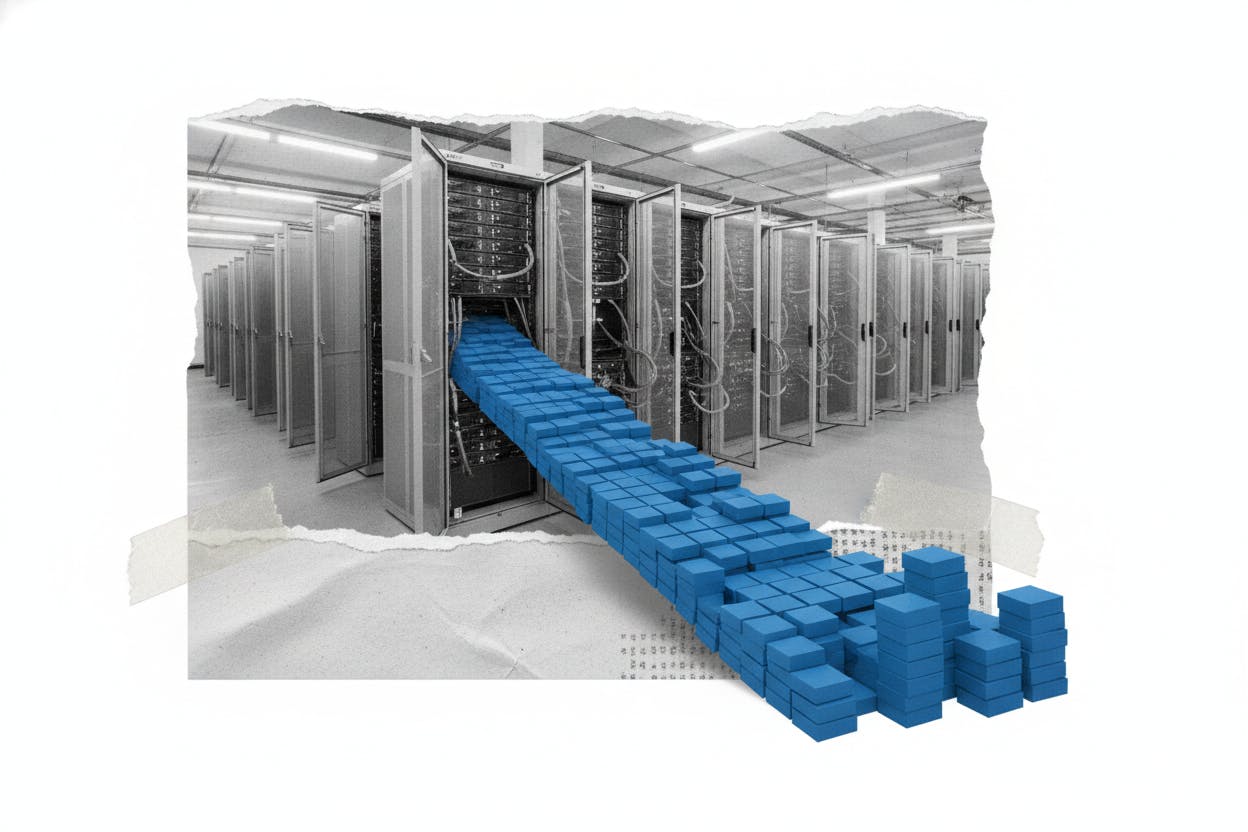
Amazon's cloud computing division, Amazon Web Services (AWS), delivered a standout performance in its latest quarter, with revenue surging 37% to $42.2 billion. The figure beat analyst expectations of 31.21% growth, according to LSEG data cited by Reuters, and provided a much-needed signal that the enormous sums Big Tech is spending on artificial intelligence are starting to translate into real business.
The result comes at a critical moment for the industry. Reuters reports that the combined AI investments from major technology companies are on track to exceed $700 billion this year. That level of spending has raised eyebrows among investors, who have been watching for signs that the outlays are producing tangible revenue rather than just inflating costs. Amazon's cloud numbers offer one of the clearest indicators yet that the spending is finding a market.
What's driving AWS growth
AWS is the largest public cloud provider, and its performance is often seen as a bellwether for enterprise technology spending. The division's acceleration — from a 19% growth rate in the same quarter last year to 37% now — reflects a surge in demand for AI tools and infrastructure. Companies are racing to integrate AI into their operations, and they are turning to cloud platforms like AWS to access the computing power and services needed to build and run those applications.
Amazon has been vocal about the opportunity. The company has said that AWS's annualized AI revenue run rate has climbed above $15 billion and is growing at a triple-digit percentage rate. That suggests that AI is not just a future promise but a current driver of growth, helping to offset any concerns about a broader slowdown in cloud spending.
The strong AWS results also come alongside positive news from other tech giants. Microsoft's cloud and AI results similarly eased fears about the return on AI investment, while Reddit's AI-powered ad tools have helped boost its revenue outlook. Together, these reports paint a picture of an industry where AI spending is beginning to pay off.
Why this matters for investors
For everyday investors, the AWS numbers are significant because they address a central question hanging over the technology sector: Is the massive AI buildout creating value or just burning cash? The $700 billion-plus spending figure has been a source of anxiety, with some analysts warning that the returns could take years to materialize. Amazon's cloud results suggest that at least part of that spending is already flowing back to the companies providing the infrastructure.
Amazon's stock has been sensitive to these dynamics. Shares have risen in recent months as the company has demonstrated that its heavy investment in AI is not a gamble but a strategic bet that is generating measurable revenue. The AWS growth also supports the broader thesis that cloud computing remains a long-term growth story, with AI acting as a catalyst rather than a distraction.
That said, investors should keep an eye on the cost side. Amazon's capital expenditures have climbed as it builds out data centers and purchases AI chips. The company has said it expects those investments to continue, and the payoff may take time to fully materialize. The strong AWS revenue growth is a positive sign, but it does not eliminate the risk that spending could outpace returns in the short term.
What to watch next
The key question for Amazon and its peers is whether the AI-driven growth in cloud services can be sustained. The company's next quarterly report will be closely watched for any signs of deceleration. Investors will also be paying attention to how Amazon's AI offerings, such as its Bedrock platform for building generative AI applications, are being adopted by businesses.
Beyond Amazon, the broader tech sector will be under scrutiny. Meta's AI spending surge has raised similar questions, and the company's results will be another data point. Meanwhile, Google's $15 billion AI data center project underscores the scale of investment underway. For now, Amazon's AWS numbers offer a reassuring sign that the AI boom is not just hype — it is generating real revenue for the companies building the infrastructure.