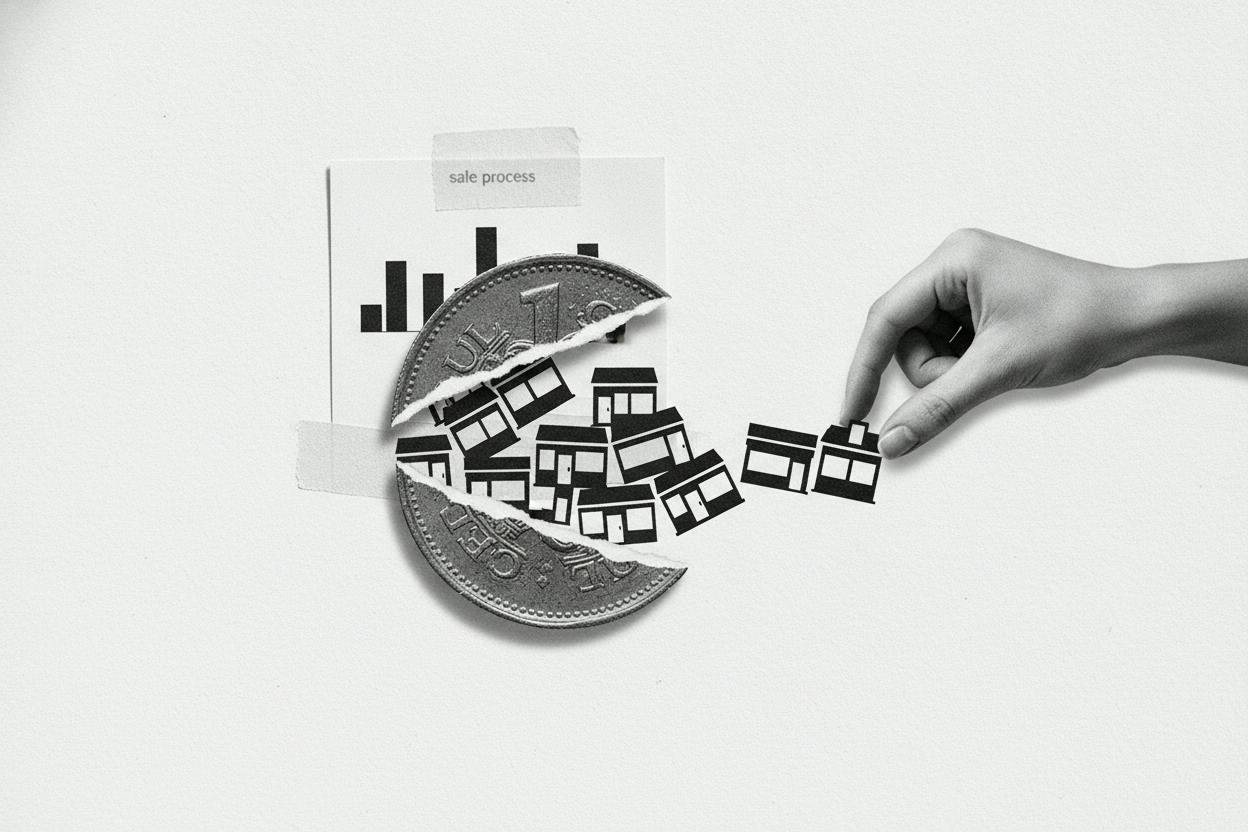
Discount retailer B&M is reportedly positioning itself to pick up a small number of stores from Poundland, which is exploring a possible sale or break-up. According to Sky News, B&M is only interested in a “low double-digit” number of outlets, rather than the entire chain.
Poundland, which operates nearly 600 stores across the UK and Ireland, is being run through a sale process by its owner, Gordon Brothers, which has brought in restructuring specialists. The chain has been struggling in a competitive discount retail market, and a break-up could see different buyers take different pieces of the business.
What's happening with Poundland?
Poundland is a well-known discount retailer that sells most items at a single price point. It has been a staple on British high streets for decades, but the rise of competitors like B&M, Lidl, and Poundstretcher has squeezed its market share. The company's owner, Gordon Brothers, is now exploring options, including a full sale or a break-up of the business.
Sky News reports that at least two solvent bids have already been submitted. One of those comes from Ireland's Martin Property Group, which is reportedly the preferred bidder of Poundland's management team. Other interested parties include Lidl and discount retailers the Range and Poundstretcher, who are also looking at picking up individual sites.
The process could result in a patchwork deal, where different buyers acquire different parts of the business. Sky News notes that Poundland's UK and Irish operations could be sold separately, which would increase the chances of multiple buyers taking pieces of the estate.
Why B&M is being selective
B&M's interest in only a small number of stores is a clear sign that it wants to cherry-pick the best locations. The company is likely looking for sites with strong footfall, workable leases, and an easy fit with its existing network. This is a common strategy for retailers when a competitor's estate comes up for sale: rather than taking on the whole business, they target the most attractive assets.
This approach limits risk. By buying only a handful of stores, B&M avoids inheriting underperforming locations or taking on leases that might be difficult to manage. It also allows the company to expand its footprint in areas where it sees the most potential, without the burden of a full acquisition.
What it means for investors
For investors, the key takeaway is that a break-up of Poundland could turn into an auction for the best store locations. With multiple interested parties, competition for the prime sites could push up prices. B&M's limited interest suggests it is being disciplined, but it may still face bidding wars for the stores it wants.
The flip side is that any bidder taking a larger chunk of Poundland could be left with a weaker rump business once the best sites have been stripped out. This is a common risk in break-up scenarios: the most attractive assets are sold first, leaving the buyer of the remaining business with a harder task to turn things around.
For everyday investors, this story is a reminder that retail consolidation often involves careful asset selection. Companies like B&M are not just buying stores; they are buying locations, leases, and customer footfall. The outcome of this process could affect the competitive landscape in UK discount retail, which in turn could impact the performance of the companies involved.
Investors will be watching to see which stores B&M targets and what price it pays. If the company can secure prime locations at a reasonable cost, it could strengthen its position. But if competition drives up prices, the benefits could be limited.
As the sale process unfolds, expect more details to emerge about the interested parties and the structure of any deal. For now, B&M's cautious approach suggests it is focused on value, not just growth.



