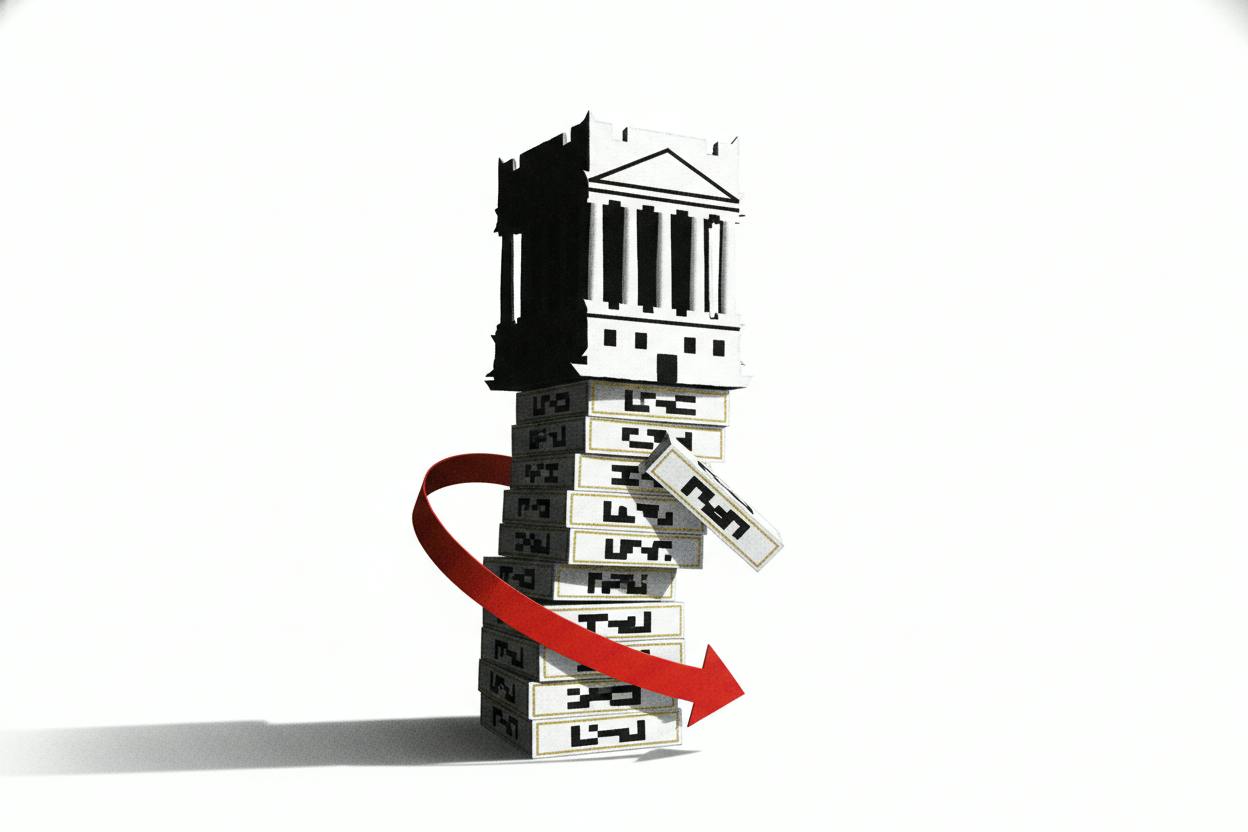
The Bank of England has sounded a cautious note on the health of the UK financial system, warning that while banks and markets look resilient, the number of ways a fresh shock could spread has increased. In minutes from its latest Financial Policy Committee (FPC) meeting, the central bank flagged three specific risks: higher oil and gas prices, a rapid build-up of debt tied to artificial intelligence, and the possibility of a sudden repricing across global markets.
The FPC, which is responsible for spotting threats to financial stability, said the odds that what it calls “interconnected vulnerabilities” turn into real stress have risen. That is a shift in tone from recent meetings, where the committee largely emphasised the system’s strength.
What the Bank of England is worried about
The first concern is energy prices. Oil and gas have climbed in recent months, partly due to geopolitical tensions and supply disruptions. The Bank says higher energy costs act as a “negative supply shock” – meaning they push up prices across the economy without a corresponding boost to growth. That can keep inflation sticky, forcing central banks to keep interest rates higher for longer. Higher rates, in turn, push up government bond yields, which raises borrowing costs for households, businesses, and governments.
The second risk is the fast-growing market for debt issued by companies involved in artificial intelligence. As AI investment booms, firms are borrowing heavily to fund data centres, chips, and other infrastructure. The Bank says this debt is growing quickly, and if the AI boom falters or investors suddenly reassess the sector’s prospects, those loans could turn sour. That could hit banks and other lenders, and ripple through the wider financial system.
The third risk is a “sudden market repricing.” This is a catch-all term for a sharp, unexpected move in asset prices – for example, a big drop in stocks or a spike in bond yields. Such moves often happen when investors collectively change their view on the economy or on a particular sector. The Bank says the risk of this happening has increased, partly because markets have been calm for a while, which can make investors complacent.
What the Bank is doing about it
In response, the FPC kept the Countercyclical Capital Buffer (CCyB) at 2%. This is the extra capital that UK banks must hold in good times, so they have a cushion to absorb losses during a downturn. The buffer is designed to be released when stress hits, allowing banks to keep lending rather than pulling back. By keeping it at 2%, the Bank is signalling that it sees the system as broadly healthy but wants banks to remain prepared.
The Bank’s stance mirrors a broader theme in global markets: central banks are wary of declaring victory over inflation, even as price pressures ease. In the US, for example, Federal Reserve officials have kept the door open to further rate hikes if inflation risks linger, as we reported earlier. That caution is echoed in the UK, where the Bank of England has also been careful not to signal that rate cuts are imminent.
What it means for investors
For everyday investors, the Bank’s warning is a reminder that financial stability is not guaranteed. Higher energy prices can feed into inflation, which erodes the real value of savings and can push bond yields up – hurting the prices of existing bonds. If you hold bond funds or individual bonds, a rise in yields means a fall in their market value.
The AI debt concern is more specific. If you own shares in tech companies or funds that invest in them, a sudden repricing in the AI sector could hit your portfolio. The recent IPO of Accelevation, which priced below its range as AI data centre demand cooled, shows that investor enthusiasm for AI can fade quickly.
Finally, the risk of a sudden market repricing is a reminder that diversification matters. Having a mix of stocks, bonds, and cash can help cushion the blow if one asset class drops sharply. The Bank’s message is not that a crisis is imminent, but that the system is more exposed than it was a year ago.
For those with cash in savings accounts, the Bank’s decision to keep the capital buffer unchanged has no direct impact on your interest rate. But the broader point about sticky inflation and higher-for-longer rates suggests that savings rates may stay elevated for a while, which is good news for savers.
In the coming months, investors will be watching energy prices, AI-related earnings, and any signs of market stress. The Bank of England will also be watching, ready to act if the risks it has identified start to materialise.