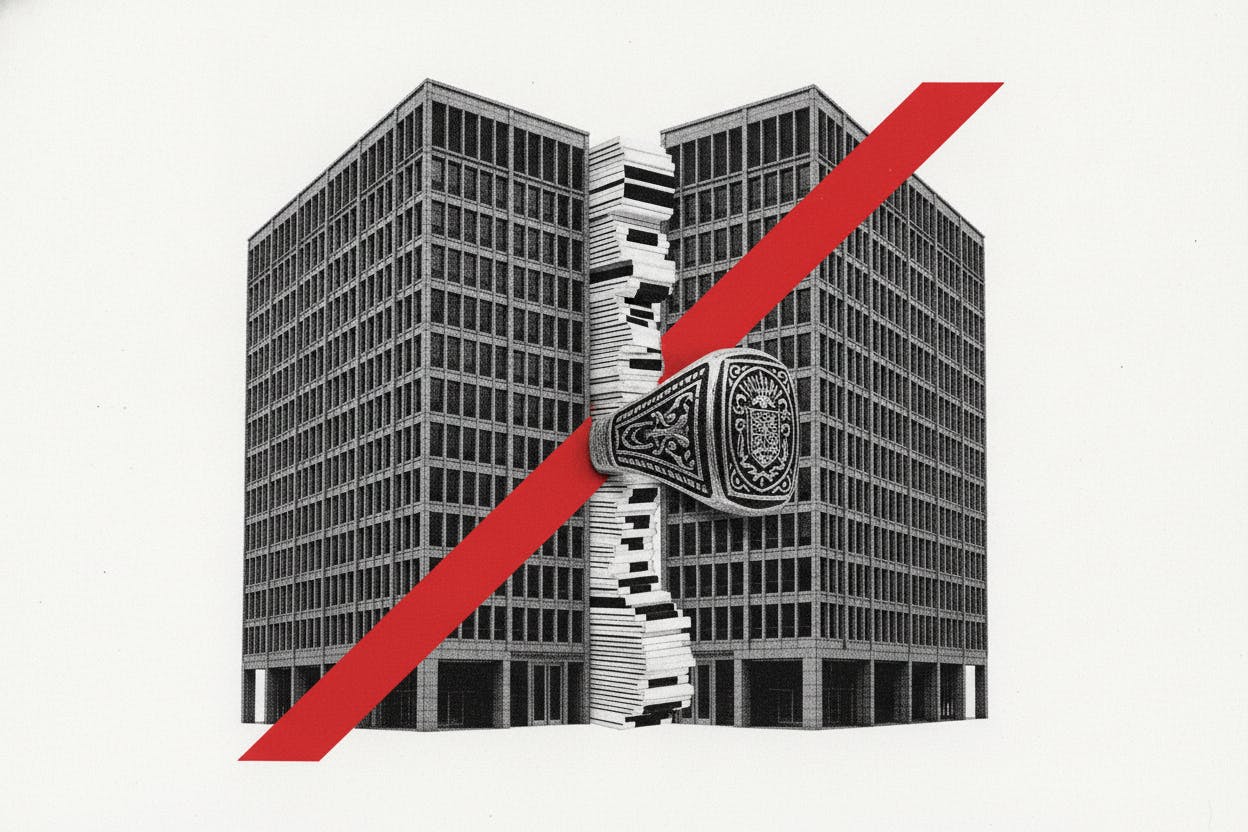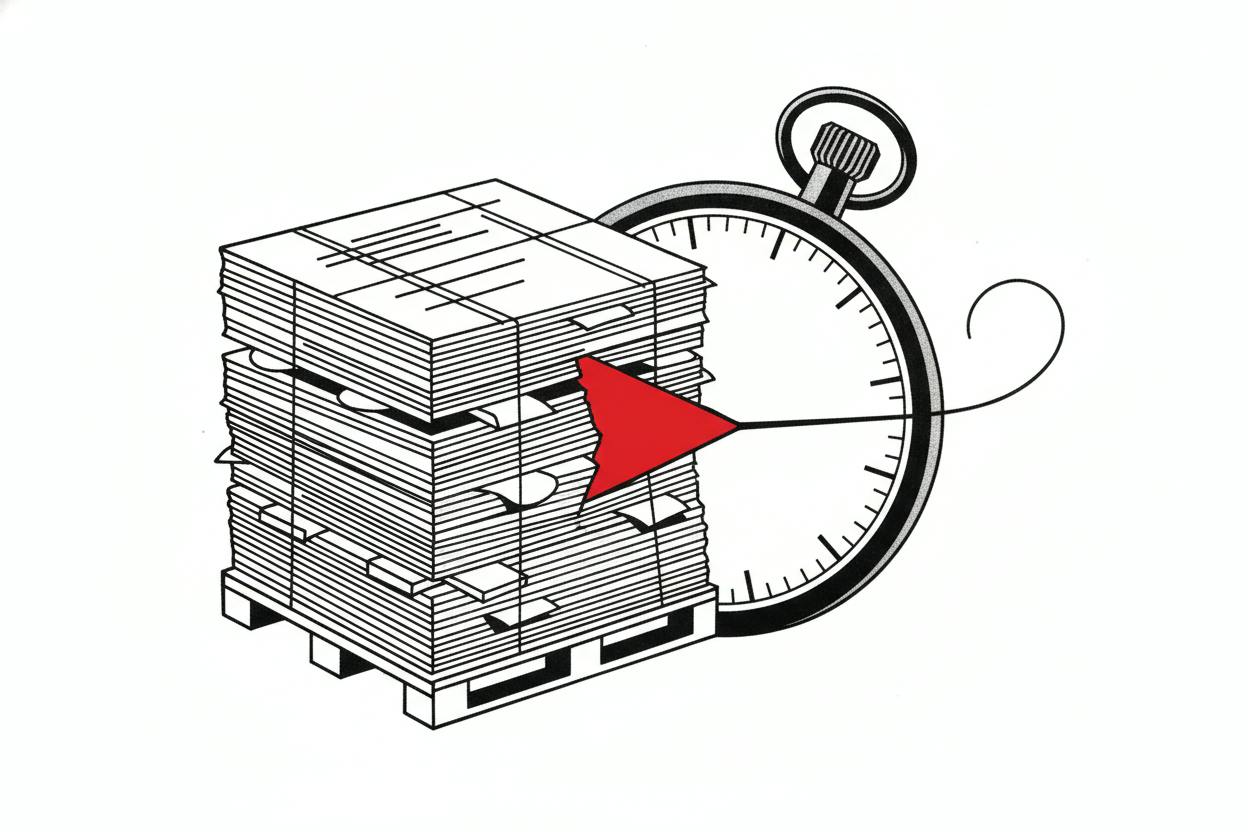
Some of the world's biggest investment banks are putting together a £3.6 billion debt package to help fund a £5.7 billion buyout of DCC Energy, a major UK-based energy distribution company. The deal, led by private equity firms KKR and Energy Capital Partners, is set to be one of the largest leveraged buyouts in the energy sector this year. But a review by the UK's Competition and Markets Authority (CMA) could throw a wrench into the timeline, leaving the banks holding billions in debt longer than they anticipated.
What's happening?
According to a report from Bloomberg, Goldman Sachs and Morgan Stanley are among the banks underwriting the financing, which is expected to be a mix of high-yield bonds and infrastructure loans. High-yield bonds are corporate bonds that offer higher interest rates to compensate for greater risk, while infrastructure loans are typically secured against physical assets like pipelines or storage facilities.
In a typical leveraged buyout, banks agree to provide the debt upfront, then quickly sell it on to other investors—such as credit funds, pension funds, and insurance companies—in a process called syndication. This allows the banks to earn fees and free up their own balance sheets. The catch is that syndication usually happens after the acquisition closes. If the CMA's review drags on, the deal could be delayed, and the banks might be stuck holding the debt for longer than they originally planned.
Why the competition watchdog matters
The CMA is the UK's antitrust regulator. It reviews large mergers and acquisitions to ensure they don't reduce competition in a way that harms consumers. In this case, the watchdog is likely examining whether the buyout of DCC Energy—which supplies fuel and energy to businesses and households—could lead to higher prices or reduced service quality.
Competition reviews are common for big deals, but they can be unpredictable. If the CMA raises concerns, it could demand remedies, such as selling off parts of the business, or even block the deal entirely. That uncertainty is what worries the banks. If the deal falls through, they would be left with a pile of debt they can't easily offload.
This isn't the first time a major buyout has faced regulatory headwinds. In recent years, several high-profile takeovers have been delayed or scrapped due to antitrust scrutiny, leaving banks and private equity firms scrambling. The situation also echoes broader concerns about energy costs and market volatility that have been affecting investors globally.
What it means for investors
For everyday investors, this story is a reminder that big corporate deals are not always smooth sailing. When banks underwrite debt, they take on risk. If the deal is delayed, they may have to sell the debt at a discount to attract buyers, which could eat into their profits. That could indirectly affect bank stocks, especially those with large investment banking operations like Goldman Sachs and Morgan Stanley.
For investors in DCC Energy—if you own shares through a fund or directly—the buyout price of £5.7 billion represents a premium that shareholders have already approved. But if the CMA blocks the deal, the stock could fall back to pre-offer levels. That's a risk that investors should be aware of.
More broadly, this deal highlights the ongoing appetite for energy infrastructure assets. Private equity firms are increasingly drawn to companies that provide essential services like fuel distribution, which tend to generate steady cash flows. However, regulatory scrutiny is becoming a bigger factor in deal-making, and investors should watch how the CMA's review unfolds.
What to watch next
The key date to watch is when the CMA announces its initial findings. If the regulator clears the deal quickly, the banks can proceed with syndication and the buyout can close on schedule. If not, the deal could be delayed by months, and the banks may have to hold the debt longer—potentially at a time when interest rates are still elevated.
Interest rates matter here because they affect the cost of carrying debt. If rates stay high, the banks' financing costs could rise, squeezing their margins. Conversely, if rates fall, the debt becomes cheaper to hold, but that's not guaranteed.
Investors should also keep an eye on the broader energy sector. The buyout comes at a time when oil prices are hovering near $100, and energy costs are keeping inflation sticky. That could affect DCC Energy's profitability and the attractiveness of the deal to lenders.
For now, the banks are confident enough to underwrite the debt, but the CMA's decision will be crucial. If the deal goes through, it will be a significant win for KKR and Energy Capital Partners, and a sign that leveraged buyouts in the energy sector are still viable. If it doesn't, it could be a cautionary tale for future deals.
As always, investors should focus on the fundamentals of their own portfolios rather than reacting to every twist and turn in a single deal. But for those with exposure to bank stocks or energy infrastructure, this is a story worth following.