When Barratt Redrow reports its full-year results on September 16, investors may find little to surprise them. According to analysts at RBC, the numbers for fiscal 2026 should be mostly familiar, with no major shocks expected. But the broker's attention is already turning to the following year, where the picture looks more challenging.
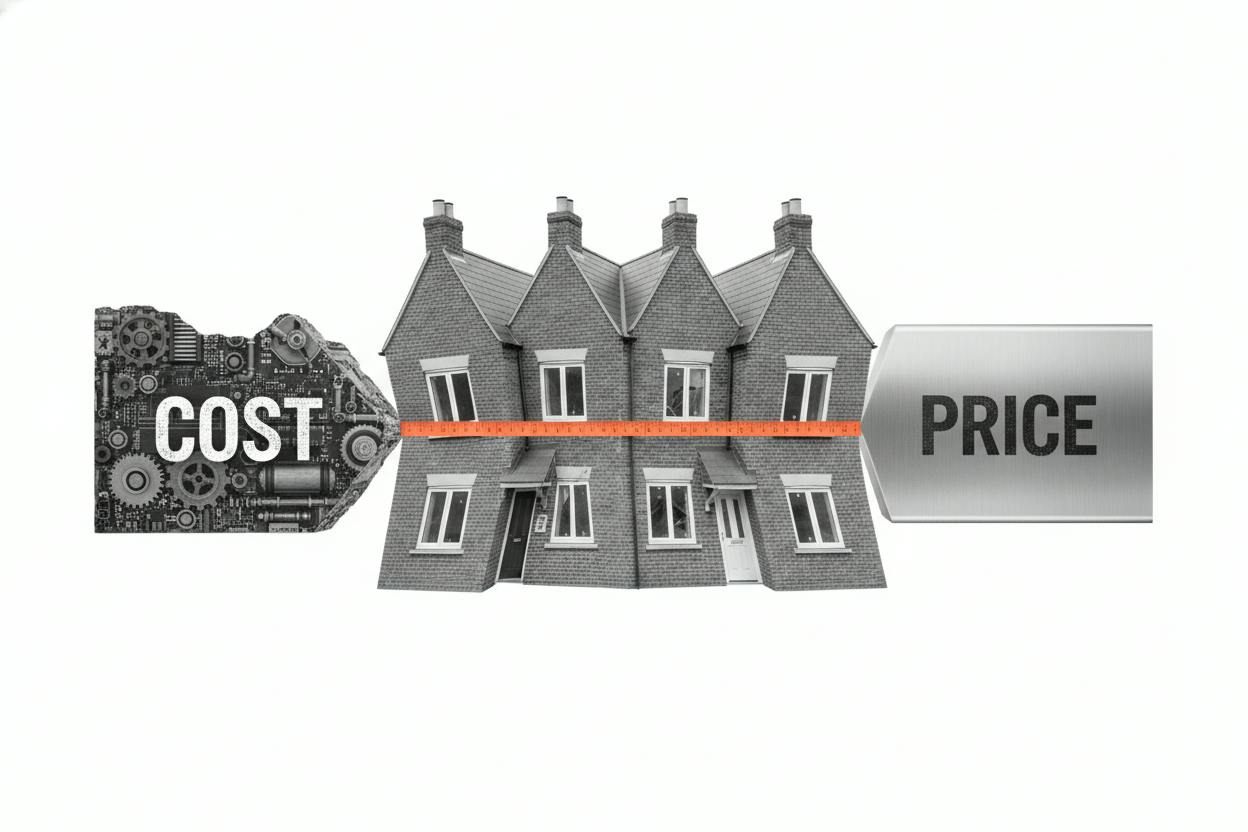
RBC's view is that the key issues for the UK's largest housebuilder will not be in the rearview mirror but in the year ahead. Specifically, the bank points to build cost inflation of 3% to 4% and weaker selling prices in fiscal 2027 as the factors that could weigh on the company's performance.
What's driving the concern?
Build cost inflation refers to the rising cost of materials, labour, and other inputs needed to construct homes. A 3% to 4% increase is significant for a company like Barratt Redrow, which builds tens of thousands of homes each year. If costs rise faster than the prices it can charge for those homes, profit margins get squeezed.
At the same time, RBC expects selling prices to be weaker in FY27. That combination—higher costs and lower prices—is a classic margin squeeze. For a housebuilder, margins are the lifeblood of the business, and any sustained pressure on them can hit profitability and, ultimately, shareholder returns.
The broader housing market context matters here. UK house prices have been broadly flat in recent months, as higher mortgage rates have cooled demand. While the Bank of England has begun to cut interest rates, the impact on affordability has been slow to feed through. Many potential buyers are still waiting on the sidelines, which limits the pricing power of builders.
Why FY26 results may be a non-event
RBC's note suggests that the September 16 update will not contain many surprises. That could be because the company has already guided the market on its expectations, or because the key metrics—completions, average selling prices, and margins—are likely to land within the range analysts have already modelled.
For investors, that means the immediate reaction to the results may be muted. The stock's direction could depend more on what management says about the outlook for FY27 than on the actual numbers for FY26.
This pattern is not unusual. Markets often look through the current year and focus on what comes next. As we've seen with other companies, such as Nvidia's earnings mattering less than its product roadmap, the forward-looking commentary can be the real driver of share prices.
What it means for investors
For everyday investors, the key takeaway is that Barratt Redrow's near-term results may not tell the full story. The company has already made significant capital allocation decisions, including a £400 million buyback and a token dividend, which signal management's confidence in the business's cash generation. But the FY27 outlook could test that confidence.
If build costs rise by 3% to 4% and selling prices weaken, Barratt Redrow will need to find efficiencies elsewhere to protect its margins. That could mean slowing land purchases, reducing overheads, or focusing on higher-margin product lines. The company has also announced a £386 million buyback in the past, indicating a commitment to returning cash to shareholders even in a tough market.
Investors should watch the September 16 update for any changes to management's guidance on FY27. If they flag higher cost inflation or more caution on pricing, that could be a warning sign. Conversely, if they express confidence in managing the cost pressures, the market may take it positively.
It's also worth remembering that housebuilders are cyclical. They are heavily exposed to the health of the housing market, which in turn depends on interest rates, employment, and consumer confidence. While the current environment is challenging, a more favourable rate environment could quickly change the picture.
The bigger picture
Barratt Redrow is not alone in facing these headwinds. The entire UK housebuilding sector is dealing with similar pressures, and the company's results will be watched as a bellwether for the industry. If Barratt Redrow can navigate the cost inflation and pricing weakness better than expected, it could bode well for peers.
For now, RBC's message is clear: don't expect fireworks on September 16, but keep an eye on what the company says about the year after. The real test for Barratt Redrow may come in FY27, when the full impact of cost inflation and softer prices will be felt.
As always, investors should consider their own financial situation and risk tolerance before making any decisions. This article is for information only and does not constitute personalised investment advice.