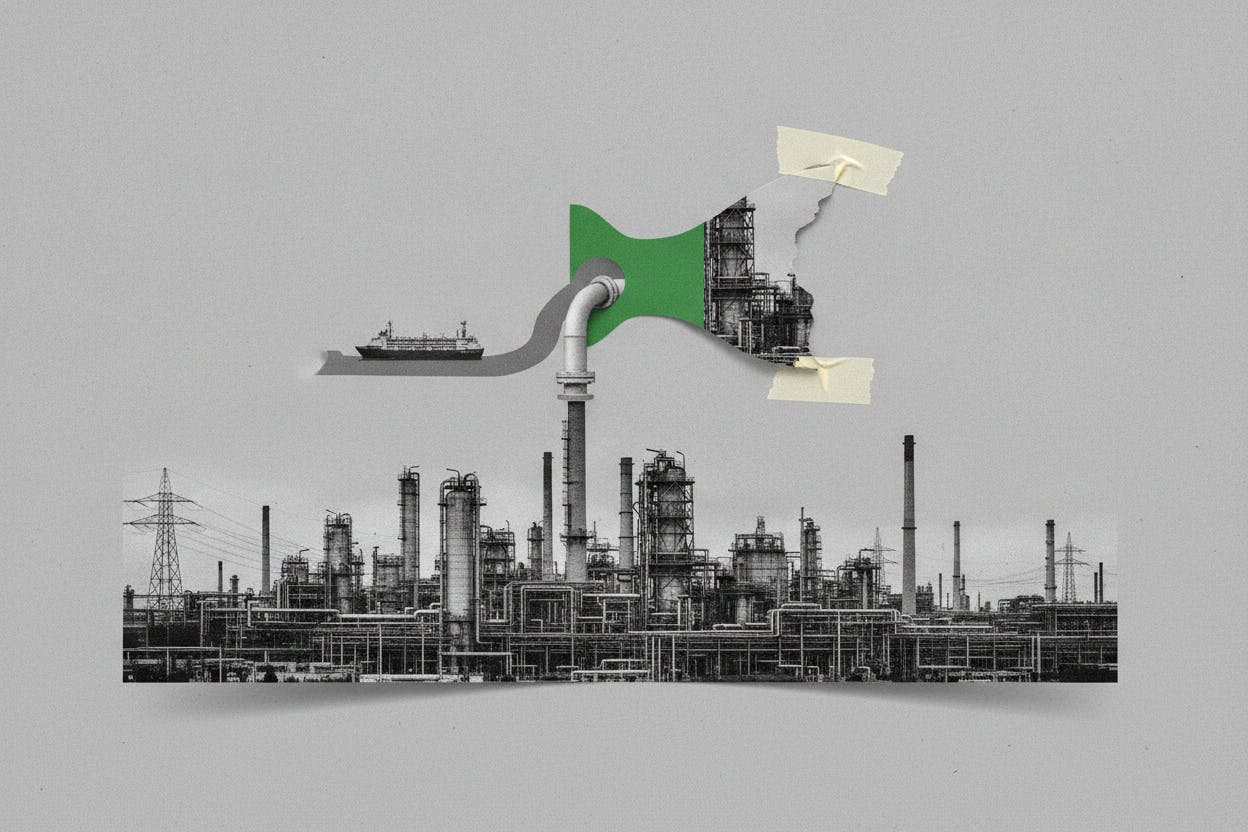
German chemicals giant BASF has lifted its 2026 earnings forecast, citing improved pricing after recent shipping disruptions near the Strait of Hormuz tightened chemical supplies across Europe. The brighter outlook comes despite a historic milestone at its sprawling Ludwigshafen headquarters, where headcount has fallen below 30,000 for the first time since 1954.
What happened
BASF said better pricing conditions helped raise its earnings expectations for 2026. The improvement stems from supply chain bottlenecks around the Strait of Hormuz, a critical chokepoint for oil and chemical shipments. Tensions in the region have disrupted shipping routes, reducing the availability of certain chemicals and pushing up prices in European markets.
The company's massive Ludwigshafen complex — one of the world's largest integrated chemical sites — has benefited from the tighter market. Higher selling prices for its products have offset some of the headwinds from weaker demand in other areas.
At the same time, BASF has been cutting costs at Ludwigshafen as part of a broader restructuring. The site's workforce has now dipped below 30,000 for the first time in more than seven decades, reflecting ongoing efficiency drives and a shift toward higher-value products.
Why it matters
The Strait of Hormuz is a narrow waterway between Iran and the Arabian Peninsula through which about a fifth of the world's oil and a significant share of chemical feedstocks pass. Any disruption there can ripple through global supply chains, as seen in recent oil price jumps linked to the same tensions.
For BASF, the disruption has been a double-edged sword. While it has lifted prices for some of its products, it also raises input costs for raw materials. The company's ability to pass those costs on to customers has been key to the improved outlook.
The Ludwigshafen workforce reduction is part of a longer-term trend. BASF has been streamlining operations at its home site for years, automating processes and shifting production to regions with lower costs or faster-growing demand. The drop below 30,000 employees is a symbolic milestone, but the company has said it remains committed to the site as a center for innovation and specialty chemicals.
What it means for investors
For everyday investors, the key takeaway is that BASF's fortunes remain closely tied to global supply chains and geopolitical events. A disruption in a faraway shipping lane can directly affect the company's pricing power and profitability.
The improved earnings outlook is a positive sign, but it comes with caveats. The pricing boost from the Hormuz disruptions may prove temporary if tensions ease and shipping returns to normal. BASF's longer-term challenge is to maintain profitability even when those tailwinds fade.
The workforce reduction at Ludwigshafen shows the company is serious about cutting costs, which could help margins over time. But it also reflects the broader pressures facing European chemical makers, including high energy costs and competition from Asia and the Middle East.
Investors should watch for updates on the Hormuz situation and how long the pricing benefits last. They should also track BASF's progress on its restructuring plans, as cost savings will be crucial if chemical prices soften again.
The broader market has been shifting toward safer bets ahead of major earnings and central bank decisions, and BASF's defensive characteristics — it makes essential industrial products — could appeal to investors looking for stability.
Looking ahead
BASF's next quarterly report will give a clearer picture of how the Hormuz disruptions are affecting its bottom line. The company will also provide more detail on its cost-cutting plans and the outlook for its key markets, including automotive, construction and agriculture.
For now, the improved 2026 outlook offers some reassurance that BASF can navigate a challenging environment. But the sustainability of that improvement depends on factors largely outside the company's control: geopolitics, global demand and the pace of the energy transition.