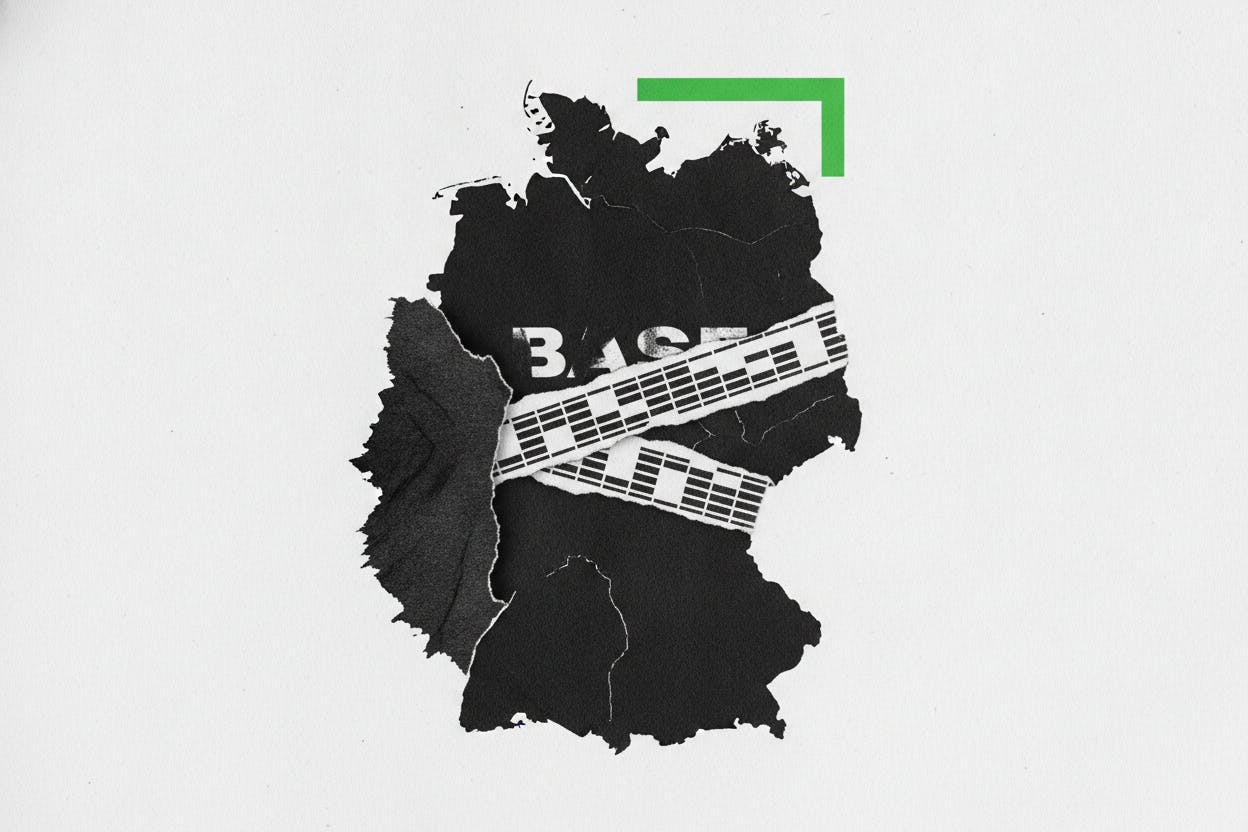
BASF, the German chemical giant, delivered better-than-expected second-quarter results and raised its full-year earnings guidance. But instead of celebrating, investors sent the stock lower, focusing on the fine print: a warning that geopolitical risks—particularly around Iran talks and shipping through the Strait of Hormuz—could unsettle the second half of the year.
What BASF Reported
Preliminary figures show BASF's earnings before interest, taxes, depreciation, and amortization (EBITDA), adjusted for special items, came in at €2.4 billion for the second quarter. That topped analysts' consensus estimate of €2.1 billion, driven by higher prices and stronger demand for its chemicals and industrial products.
Encouraged by the performance, BASF widened its full-year EBITDA target range to €6.9–€7.7 billion, up from the previous €6.2–€7.0 billion. The new midpoint of €7.3 billion implies continued momentum through the rest of 2025.
The Fine Print That Spooked Investors
Despite the upbeat numbers, BASF's management flagged two key risks that could derail the second-half outlook: ongoing talks between the United States and Iran, and potential disruptions to shipping in the Strait of Hormuz, a narrow waterway that handles about a fifth of the world's oil supply.
Any escalation in tensions could spike oil prices and disrupt supply chains for chemical feedstocks, directly impacting BASF's costs and operations. The company's warning suggests that while the first half was strong, the path forward is far from certain.
This cautious tone resonated with investors, who sold off the stock on the news. It's a reminder that in the current environment, even good earnings can be overshadowed by macro risks.
What It Means for Investors
For everyday investors, BASF's report offers a mixed picture. On one hand, the company is executing well, with demand and pricing power supporting earnings. The raised guidance signals confidence in its core business.
On the other hand, the warning about geopolitical risks highlights how vulnerable global chemical companies are to events beyond their control. The Strait of Hormuz is a critical chokepoint for oil and gas shipments, and any disruption there would ripple through the entire petrochemical industry.
Investors should watch for developments in US-Iran diplomacy and any signs of shipping disruptions in the region. If tensions ease, BASF's stock could recover as the market refocuses on its strong fundamentals. But if risks materialize, the second half could be bumpy.
This dynamic is not unique to BASF. Other industrial and energy companies face similar exposures. For context, Aker BP recently posted a strong Q2 profit while also raising its spending guidance, showing how energy firms are navigating the same uncertainties.
Broader Market Context
BASF's situation also reflects a broader theme in markets today: investors are increasingly sensitive to geopolitical risks, even when company-specific news is positive. The stock's decline despite a guidance raise suggests that fear of disruption is outweighing optimism about earnings.
This cautious sentiment is visible across sectors. For instance, foreign investors poured $132 billion into US stocks and corporate bonds in May, indicating a flight to perceived safety. Meanwhile, China's market split deepens as investors rotate out of chip stocks, showing how geopolitical tensions are reshaping investment flows.
What to Watch Next
For BASF, the key will be how the second half unfolds. If the Iran talks progress and shipping lanes remain open, the company's raised guidance could prove conservative. But if tensions escalate, investors may need to brace for volatility.
The broader lesson: in today's interconnected world, even a well-run company like BASF can't escape the impact of geopolitics. For investors, diversification and a focus on companies with strong balance sheets remain prudent strategies.