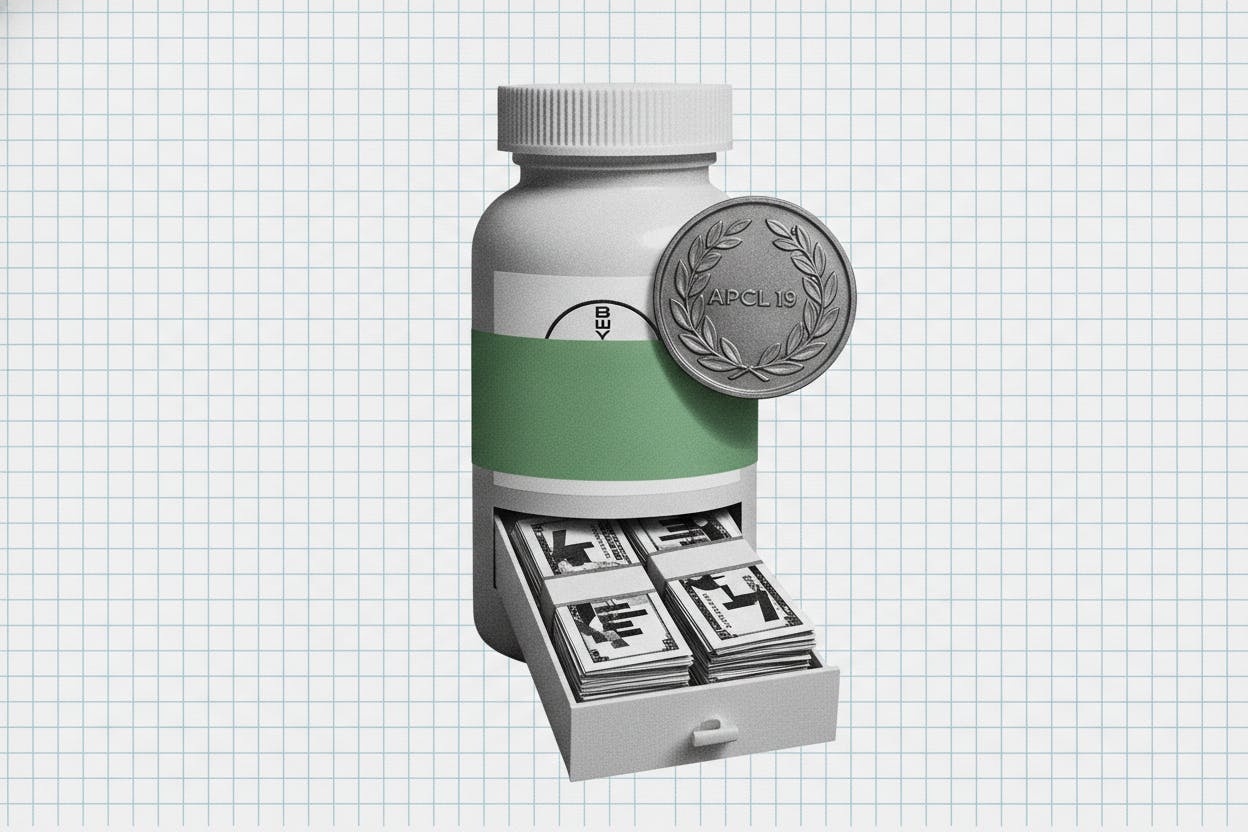
Bayer, the German life-sciences giant, has agreed to sell a minority, non-controlling stake in its long-acting reversible contraceptives business to Apollo Global Management for €3 billion. The deal gives Bayer an immediate cash injection while allowing it to retain full operational control of the unit, which it says will remain a core part of its pharmaceuticals division.
The transaction comes as Bayer faces a heavy financial calendar this year, with bond maturities and ongoing litigation costs weighing on its balance sheet. By bringing in Apollo as a minority partner, the company is effectively monetizing a high-value asset without giving up strategic direction.
What the Deal Looks Like
Under the terms, Bayer will place its long-acting reversible contraceptives franchise into a newly created entity. Apollo-managed funds will take a minority, non-controlling stake, meaning they will have limited influence over day-to-day operations or long-term strategy. Bayer will continue to consolidate the business in its financial statements.
The structure is a common one in corporate finance: a company sells a slice of a prized division to raise capital while keeping the upside and control. For Bayer, it avoids a full sale or spin-off, which could have disrupted its broader pharmaceuticals business.
Why Bayer Needs the Cash
Bayer has been under financial pressure for several years. The company inherited a massive litigation overhang from its $63 billion acquisition of Monsanto in 2018, primarily related to claims that the weedkiller Roundup causes cancer. While Bayer has won some court cases and settled others, the legal costs continue to mount.
At the same time, the company has a wall of debt maturities coming due. Selling a minority stake in a stable, cash-generating business like contraceptives provides a way to shore up its balance sheet without resorting to a dilutive equity raise or a fire sale of assets.
Bayer's contraceptives portfolio includes well-known brands such as Mirena and Kyleena, which are intrauterine devices (IUDs) that provide long-term birth control. These products generate steady revenue and have strong market positions, making them attractive to private equity firms like Apollo that seek predictable cash flows.
What It Means for Investors
For everyday investors, this deal signals that Bayer is taking proactive steps to manage its debt and litigation exposure. By bringing in a financial partner, the company reduces near-term refinancing risk without sacrificing ownership of a key growth driver.
Investors should watch how Bayer uses the €3 billion. If the proceeds go toward paying down debt or settling litigation, that could improve the company's credit profile and potentially support its share price. If the cash is used for other acquisitions or share buybacks, the impact may be different.
It's also worth noting that Apollo has been active in European corporate deals recently. The firm was involved in a £5.7 billion takeover approach for EasyJet, though that deal remains in principle. Apollo's willingness to invest in Bayer's contraceptives business suggests confidence in the unit's long-term prospects.
Broader Context
Bayer is not alone in using minority stake sales to raise cash. Across industries, companies are turning to private equity and institutional investors for capital without losing control. This trend has been particularly pronounced in the pharmaceutical and life sciences sectors, where R&D costs are high and patent cliffs loom.
The deal also highlights the ongoing appeal of women's health products as investment assets. Contraceptives, especially long-acting reversible ones, have stable demand and are less susceptible to economic cycles than many other drug categories.
Bayer's move comes as the broader market digests a range of corporate actions. In other news, UAE's E& exited Vodafone in a $5.95 billion stake sale, and Hugo Boss urged shareholders to reject a €2.7 billion takeover bid from Frasers. These deals show that capital is flowing actively in European markets, with both strategic and financial buyers seeking opportunities.
What to Watch Next
Investors should keep an eye on Bayer's upcoming earnings reports for any updates on litigation progress and debt reduction. The company may also provide more details on how it plans to deploy the €3 billion from the Apollo deal.
Additionally, watch for any regulatory approvals needed for the transaction. While minority stake sales typically face fewer hurdles than full acquisitions, they can still attract scrutiny from competition authorities.
For now, the deal appears to be a pragmatic move by Bayer to strengthen its financial position while keeping its contraceptives business firmly under its own roof. Whether it will be enough to ease investor concerns about the company's long-term liabilities remains to be seen.