Bellevue Gold has announced that it reached the upper end of its fiscal year 2026 production target, reporting June quarter output of 41,643 ounces. The Australian gold miner disclosed the results in a filing with the Australian Securities Exchange, providing a detailed look at its operational performance and future outlook.
Quarterly Production and Costs
The company's all-in sustaining cost (AISC) for the quarter came in at AU$2,604 per ounce. AISC is a key industry metric that includes all costs associated with mining, processing, and sustaining capital expenditures, giving investors a clearer picture of the true cost of producing each ounce of gold. For context, Bellevue sold 40,671 ounces during the quarter at an average realized price of AU$4,180 per ounce, leaving a healthy margin between selling price and production cost.
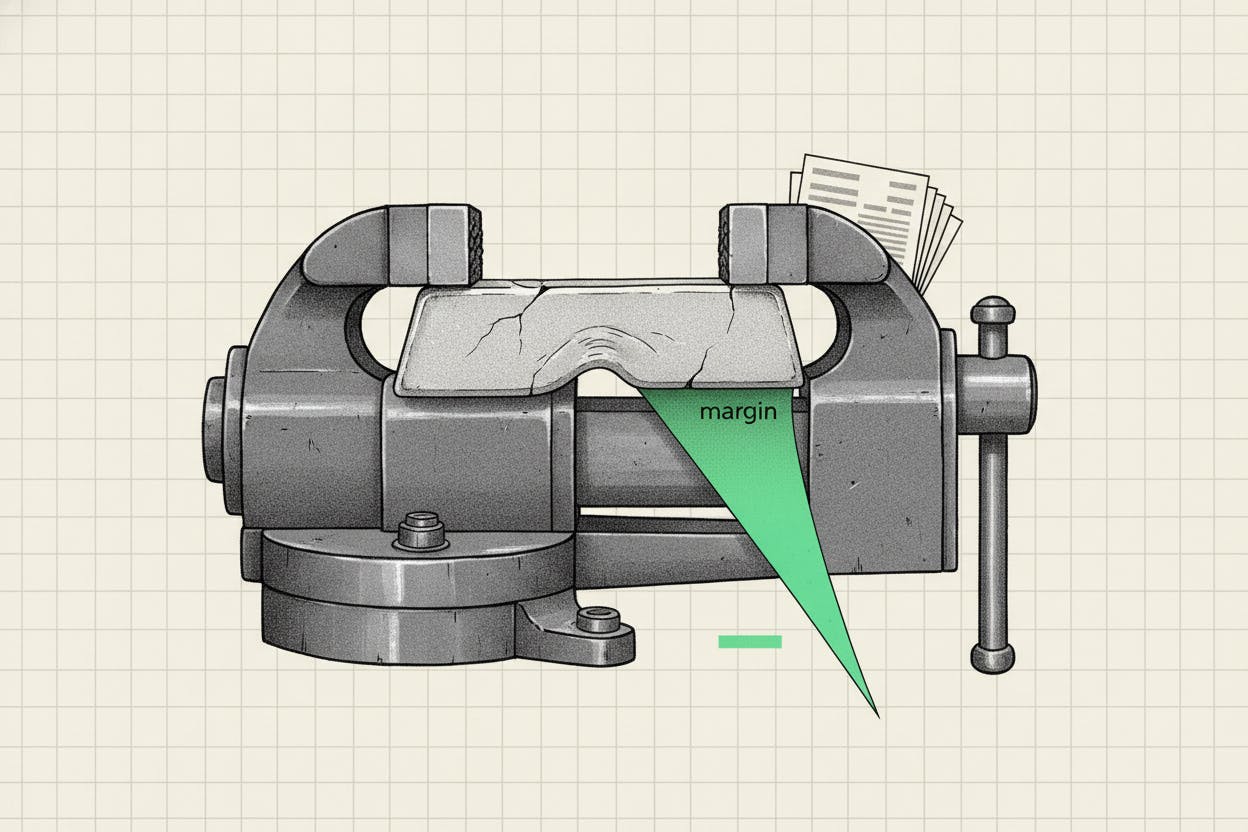
However, the quarter's AISC was higher than the AU$2,253 per ounce recorded in the June 2025 quarter, indicating that cost pressures have tightened the company's profit cushion. This narrowing margin is something investors will watch closely, as it directly impacts profitability and cash flow generation.
FY27 Guidance and Outlook
Looking ahead, Bellevue Gold has set its production guidance for fiscal year 2027 at between 150,000 and 170,000 ounces. This target suggests the company expects to ramp up output significantly from current levels, reflecting ongoing development and expansion of its operations. The guidance range provides some flexibility, as mining operations often face variability from quarter to quarter due to ore grade fluctuations, equipment availability, and other operational factors.
The company's ability to hit the top end of its FY26 target is a positive signal, demonstrating that its operational plans are on track. For investors, consistent delivery against guidance is often seen as a sign of management competence and operational discipline.
What It Means for Investors
For everyday investors, Bellevue Gold's update offers several key takeaways. First, the company is generating positive margins, with its selling price comfortably above its all-in sustaining cost. This is the fundamental driver of profitability in gold mining. Second, the FY27 guidance points to potential growth, which could translate into higher revenues and earnings if gold prices remain supportive.
However, the rising AISC is a factor to monitor. If costs continue to climb while gold prices stagnate or fall, margins could compress further. Investors should also consider the broader gold market environment. Gold prices have been volatile recently, influenced by interest rate expectations, inflation data, and geopolitical tensions. A sustained high gold price would benefit Bellevue, while a sharp decline could pressure its financial performance.
Bellevue's results come amid a mixed backdrop for gold miners globally. Some producers have benefited from strong gold prices, while others have faced cost inflation and operational challenges. The company's focus on cost control and production growth will be critical in navigating this environment.
For those interested in the broader mining sector, Bellevue's update is a reminder of the importance of understanding cost structures and production targets. Companies that can consistently deliver on guidance and manage costs effectively are often better positioned to weather industry cycles.
As always, investors should consider their own financial goals and risk tolerance when evaluating any stock. Bellevue Gold's latest numbers provide a snapshot of its current performance, but the future will depend on execution, gold prices, and operational efficiency.