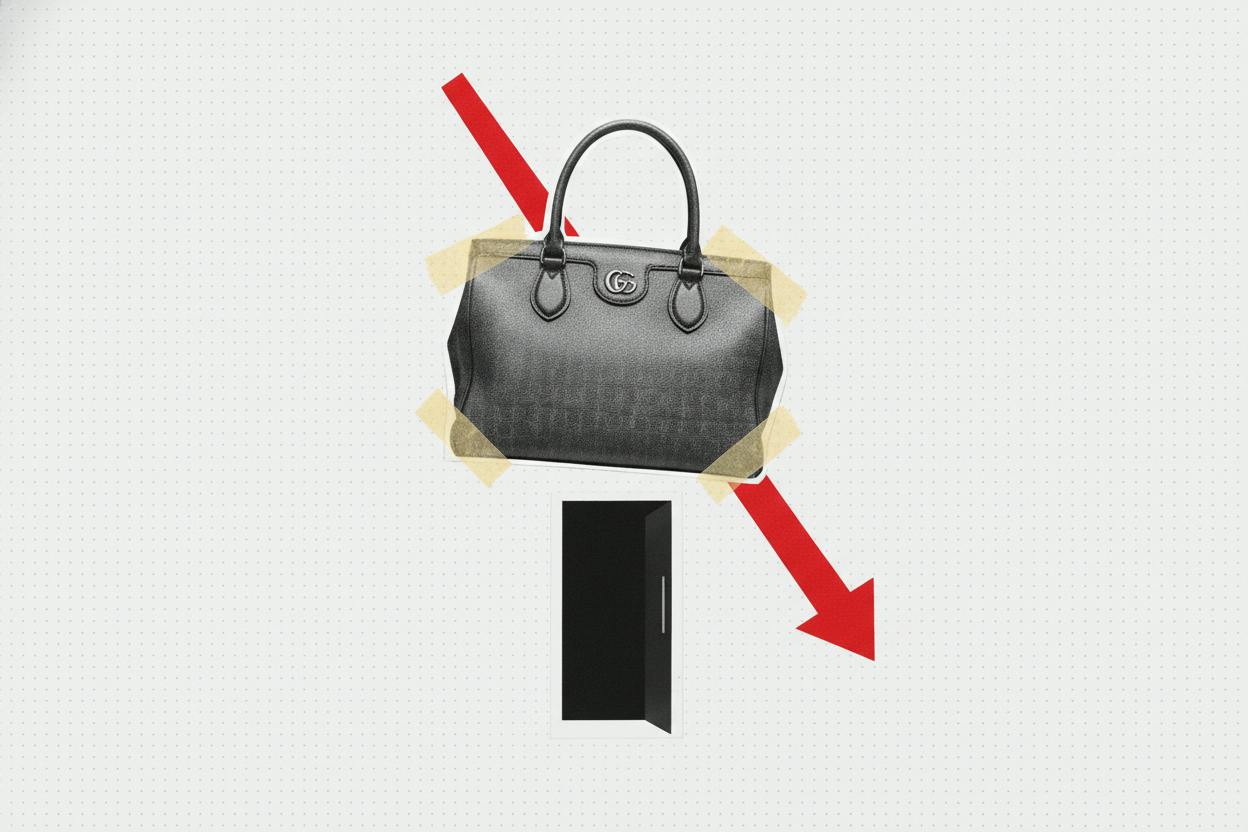
Luxury giant Kering is facing a longer road to recovery at its flagship brand Gucci than many investors had hoped, according to analysts at European investment bank Berenberg. The bank trimmed its 2026-2028 forecasts for the French group after a weak third-quarter performance at Gucci, warning that the brand's turnaround may take more time than the market expects.
What happened?
Kering reported third-quarter results that showed a bigger-than-expected drop in sales at Gucci, along with weak foot traffic in stores. Group revenue fell 6% overall, and retail sales—a key measure of direct-to-consumer demand—also declined. Berenberg said the results capped a "polarized" luxury earnings season, where the most exclusive, high-end brands are holding up better than the more "aspirational" segment of the market that Gucci occupies.
The bank pointed to softer demand in both China and the United States, two of the most important markets for luxury goods. Chinese consumers, who have been cautious with spending amid economic uncertainty, and American shoppers, who are facing higher borrowing costs, have both pulled back on discretionary purchases. Gucci, which has been trying to refresh its image and win back shoppers, is still struggling to get customers back into its stores.
Why does this matter?
Gucci is Kering's biggest and most profitable brand, accounting for a large share of the group's revenue and profits. When Gucci struggles, it drags down the entire company. The brand has been in the middle of a creative and strategic overhaul, but the latest numbers suggest that the recovery is taking longer than management—and investors—had anticipated.
Berenberg's decision to cut its 2026-2028 forecasts reflects a belief that the challenges are not just short-term. The bank's analysts see a luxury market that is splitting into two tiers: the ultra-high-end, where wealthy customers continue to spend, and the aspirational tier, where more budget-conscious shoppers are cutting back. Gucci, with its higher price points but not quite at the very top of the luxury pyramid, finds itself in a difficult middle ground.
This is part of a broader trend across the luxury sector. Other companies have reported similar patterns, with demand for top-tier products remaining resilient while more accessible luxury items face headwinds. For everyday investors, this means that not all luxury stocks are created equal—the health of a brand's customer base and its position in the market matter a great deal.
What it means for investors
For investors holding Kering shares, the news is a reminder that turnarounds in fashion and luxury can be slow and unpredictable. Gucci's struggles are not new, but the persistence of weak traffic and sales suggests that the brand's revival may not be imminent. Berenberg's forecast cuts are a signal that even professional analysts are becoming more cautious about the timeline.
It's also worth noting that Kering is not alone in facing these pressures. The luxury sector as a whole is grappling with a slowdown in key markets, and companies that rely on aspirational buyers are feeling the pinch more than those catering to the ultra-wealthy. Investors should watch for signs of improvement in Gucci's store traffic and sales trends in the coming quarters, as well as any updates from Kering's management about the turnaround strategy.
Berenberg's move is just one analyst's view, but it adds to a growing chorus of caution around Kering. The stock has been under pressure as investors weigh the risks of a prolonged recovery. For those considering an investment in Kering, the key question is whether the brand can regain its cachet and bring shoppers back—and how long that will take.
In the meantime, the broader lesson for investors is to pay attention to the differences within the luxury market. While some high-end names are thriving, others are struggling to adapt to changing consumer behavior. As always, diversification and a long-term perspective can help navigate the ups and downs of any single stock.