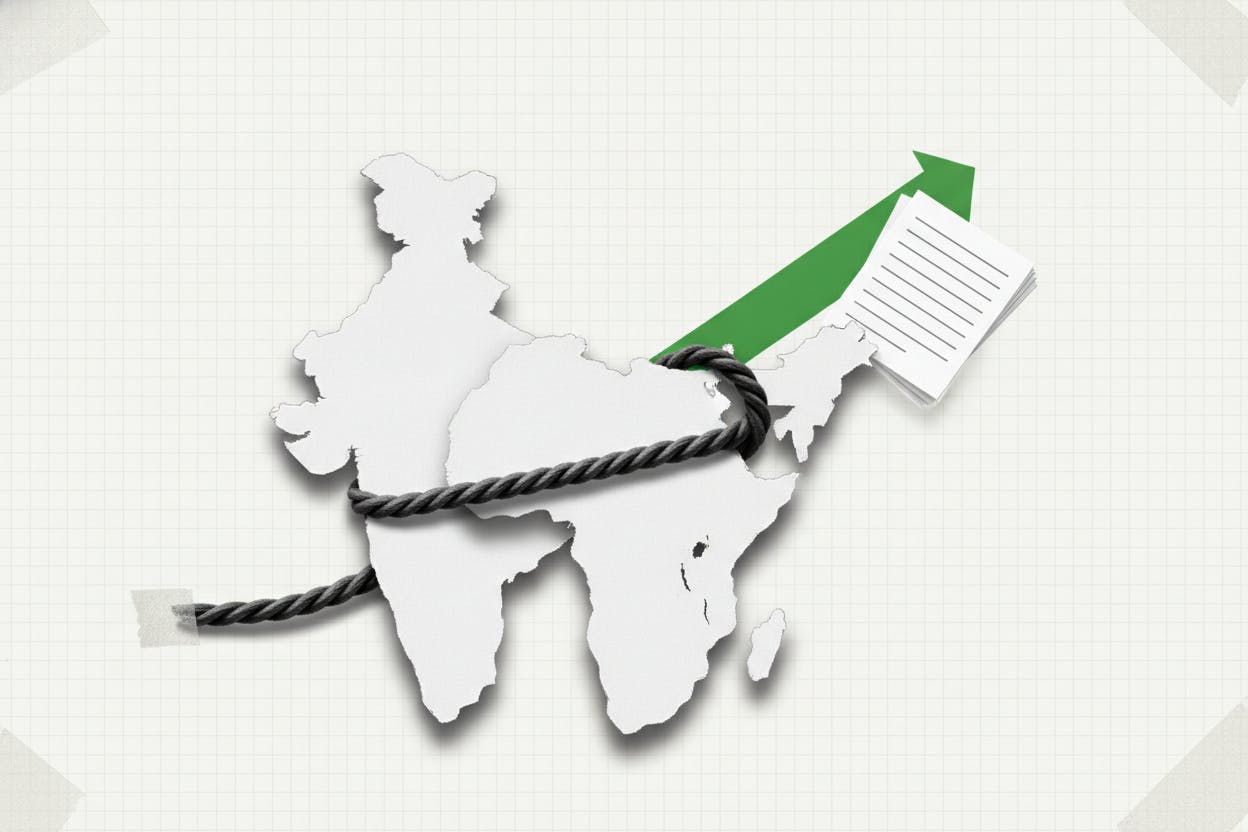
Bharti Airtel, one of India's largest telecom operators, reported a 37.3% year-on-year rise in fiscal first-quarter net profit to 81.7 billion rupees, as its mobile customers spent more on data and services. Revenue from operations climbed 18.3% to 585.4 billion rupees, driven by stronger pricing in its core Indian market and continued expansion in Africa.
The headline metric that caught investors' attention was average revenue per user (ARPU) — the monthly revenue a carrier earns per subscriber. ARPU improved to 264 rupees, up from 233 rupees a year earlier. That's a key sign that Indian mobile users are increasingly willing to pay more for their plans, a trend that has been building as data consumption soars and telecom operators focus on premium customers.
What's driving the growth?
In India, Airtel's largest market, revenue rose 9.7% to 412.1 billion rupees. The company has been pushing higher-priced unlimited plans, bundling in benefits like streaming subscriptions and faster speeds. At the same time, demand for home broadband and business services has remained steady, adding another layer of growth.
The company also lifted its stake in Airtel Africa to 79%, up from a previous level. This move signals confidence in the African operations, which have been expanding their subscriber base and data usage. Airtel Africa operates in multiple countries across the continent, where mobile penetration is still growing rapidly.
For context, India's telecom market has gone through a massive consolidation in recent years. After a brutal price war triggered by the entry of Reliance Jio, the industry has stabilized, and operators like Airtel have been able to raise prices without losing too many customers. That pricing power is now showing up in the bottom line.
What it means for investors
For everyday investors, Airtel's results are a reminder that telecom is no longer just a utility — it's a growth business tied to data consumption. As Indians use more data for streaming, gaming, and remote work, the companies that can offer reliable networks and premium plans are likely to benefit.
The ARPU improvement is particularly important. It shows that customers are not just adding connections but are willing to pay more for better service. That's a healthier dynamic than simply adding low-value subscribers.
Investors should also note the Africa angle. By increasing its stake, Airtel is betting that the continent's young, fast-growing population will become a bigger source of revenue. That diversification could help cushion any slowdown in India.
However, telecom remains a capital-intensive business. Airtel has spent heavily on 5G spectrum and network upgrades, and those costs will continue. The company's ability to convert higher ARPU into profit will depend on keeping costs in check.
Looking ahead, analysts will be watching whether Airtel can sustain this momentum. The company has hinted at further price hikes in India, which could push ARPU even higher. But competition remains, and regulators keep a close eye on the sector.
For those invested in Indian equities or telecom-focused funds, Airtel's results are a positive signal. The company's performance also bodes well for the broader Indian market, where consumer spending and digital adoption are key growth drivers.
As with any stock, it's wise to consider the risks. Airtel's debt levels are high, and any economic downturn could hit consumer spending on mobile plans. But for now, the trend is clear: Indian mobile users are paying up, and Airtel is reaping the rewards.
This article is for informational purposes only and does not constitute financial advice.