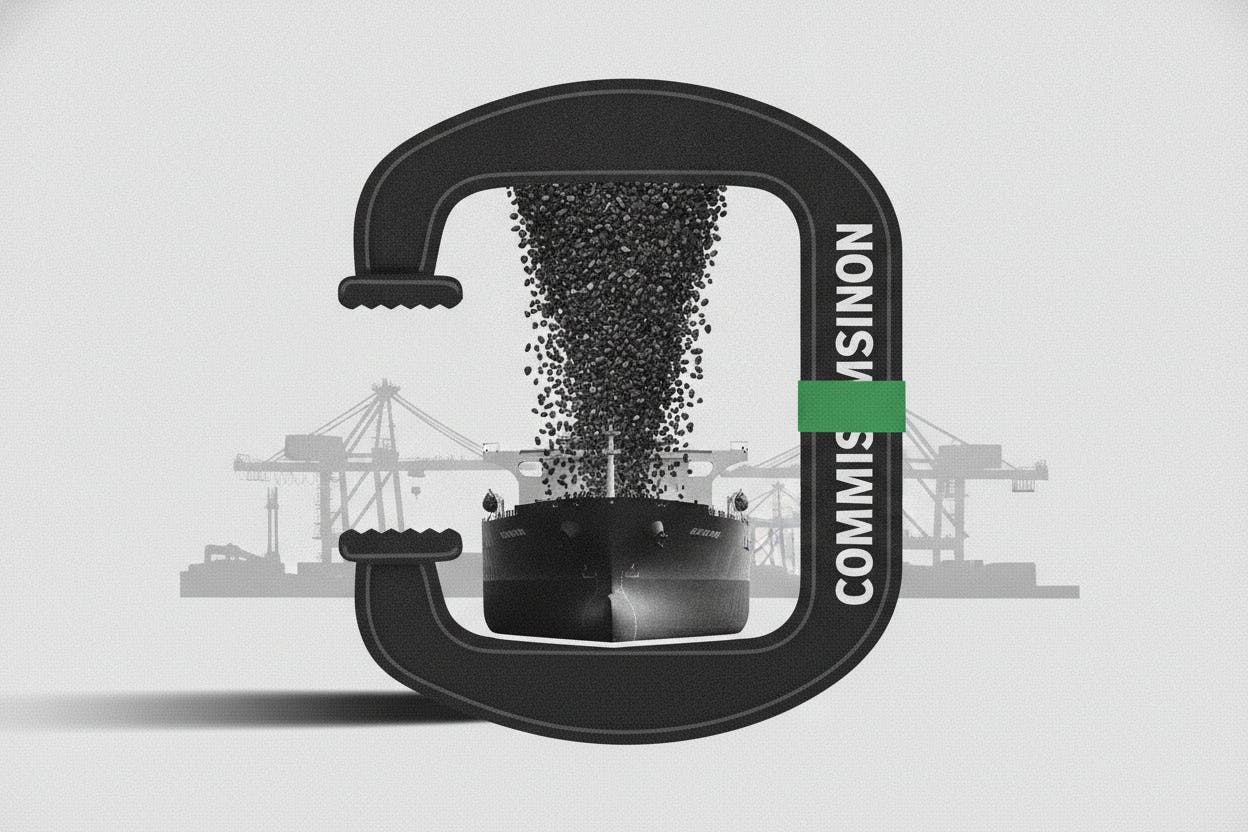
Negotiations between BHP and unions representing workers at its Port Hedland iron ore operations have hit another snag, with both sides set to return to the Fair Work Commission next Tuesday after failing to agree on a new four-year enterprise agreement.
The proposed deal on the table includes a 17% wage increase over the life of the agreement, along with a one-off A$25,000 transition payment for eligible employees. Despite the sizeable offer, unions and the mining giant remain at odds, prolonging a dispute that has already drawn attention from investors and industry watchers.
What's at stake at Port Hedland
Port Hedland, in Western Australia's Pilbara region, is one of the world's largest iron ore export hubs. BHP uses the port to ship millions of tonnes of iron ore annually to steelmakers, primarily in China and other Asian markets. Any sustained disruption to operations there could ripple through global iron ore supply and affect prices, which are already sensitive to demand shifts from the world's second-largest economy.
The dispute is part of a broader pattern of industrial action across Australia's resources sector, where tight labour markets have given workers more leverage in wage negotiations. Companies in this position often weigh the cost of meeting union demands against the risk of stoppages that can halt production and delay shipments.
For BHP, the stakes are high. Iron ore is its single biggest revenue driver, and Port Hedland is a critical link in its supply chain. Even a short-lived work stoppage can mean lost output and higher costs, though the company has not indicated any current disruption to operations.
The Fair Work Commission's role
The Fair Work Commission is Australia's national workplace relations tribunal. It handles disputes over enterprise agreements, which set wages and conditions for specific groups of workers. When negotiations deadlock, the commission can facilitate conciliation, and in some cases, arbitration to break the impasse.
Tuesday's scheduled session suggests both sides are still willing to talk rather than escalate to strikes or lockouts. That's a positive sign for investors, as it points to a possible negotiated resolution rather than a prolonged industrial battle.
Similar disputes have occurred at other Australian mining operations, and they often end with a compromise that both sides can accept. However, the process can drag on for weeks or months, keeping a degree of uncertainty over the company's near-term operations.
What it means for investors
For everyday investors, the key takeaway is that this is a manageable but watchable issue. BHP is a diversified miner with operations in copper, coal, nickel, and potash, so even a worst-case scenario at Port Hedland would not threaten the company's overall financial health. Still, iron ore is its profit engine, and any hit to volumes or costs could weigh on earnings.
The 17% wage increase, if accepted, would add to BHP's labour costs at a time when the company is already managing inflationary pressures across its operations. But such increases are not unusual in the current Australian labour market, where skilled workers are in short supply and unions are pushing for a share of the profits from high commodity prices.
Investors should also keep an eye on the broader industrial relations climate in Australia. The current government has signalled support for collective bargaining, which could embolden unions in other sectors. That could mean higher wage bills for companies across the economy, a factor that might feed into inflation and interest rate expectations.
For now, the market's reaction has been muted, suggesting investors see this as a routine negotiation rather than a crisis. The next session at the Fair Work Commission will be closely watched for signs of progress. If a deal is reached, it would remove a small but persistent overhang on BHP's share price. If talks collapse, the risk of industrial action rises, and that could put some pressure on the stock.
In the meantime, BHP's diversified portfolio and strong balance sheet provide a buffer. The company has weathered similar disputes before, and it has the financial flexibility to absorb higher labour costs without derailing its dividend or growth plans.
As with any industrial dispute, the outcome is uncertain, but the fact that both sides are returning to the negotiating table is a constructive sign. Investors would do well to monitor updates from the commission and any announcements from BHP about the status of its Port Hedland operations.
For broader context on how industrial actions and supply chain issues can affect markets, see our coverage of BP's refinery lockout talks and German factory output slipping. These stories highlight how labour and production disruptions can ripple through global markets.



