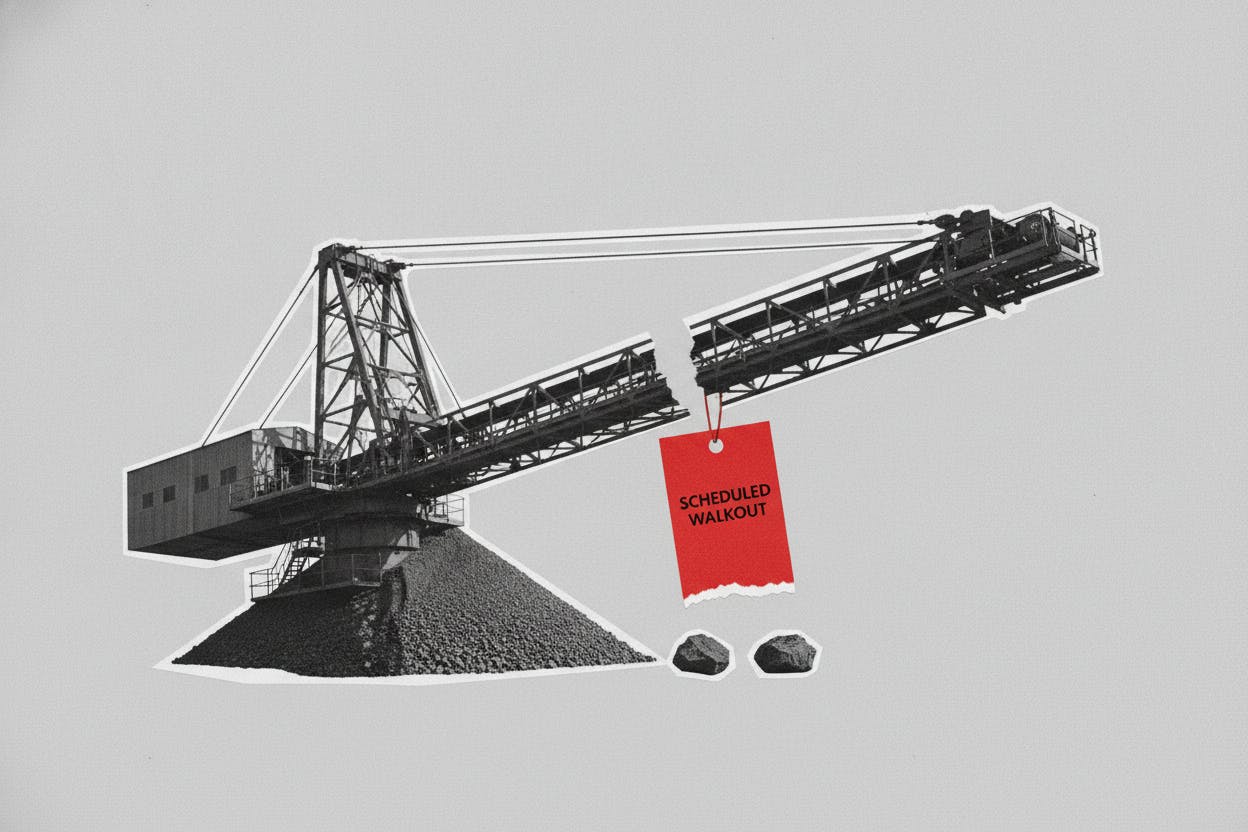
Workers at BHP's iron ore operations in Port Hedland, Western Australia, are set to walk off the job for eight hours on July 16 after talks with unions failed to produce a new four-year enterprise agreement. The planned stoppage, from 2 pm to 10 pm local time, comes after six months of negotiations and a final five-hour bargaining session that ended without a deal.
Port Hedland is the world's largest iron ore export hub and the primary shipping point for BHP's iron ore, which is a key ingredient in steelmaking. Even a short disruption at this facility can send ripples through global supply chains, as the port handles hundreds of millions of tonnes of ore each year. BHP called the move “disappointing” but said it has contingency plans to keep operations running safely during the walkout.
Why This Matters for Iron Ore Markets
Iron ore is Australia's most valuable export, and BHP is one of the world's top three producers, alongside Rio Tinto and Fortescue. Any interruption at Port Hedland can tighten supply and support prices, especially at a time when global steel demand remains resilient. However, an eight-hour stoppage is relatively short, and markets may not react sharply unless the dispute escalates into longer or repeated strikes.
The walkout also highlights ongoing tensions between mining companies and unions over pay and conditions. BHP has been negotiating with the Australian Workers' Union and the Electrical Trades Union for a new agreement covering hundreds of workers at the port. The unions have not yet indicated whether further industrial action is planned if this stoppage does not lead to a breakthrough.
What It Means for Investors
For everyday investors, this is a reminder that even the biggest mining companies face operational risks from labor disputes. BHP's shares could see some short-term volatility if the strike disrupts shipments, but the company's diversified portfolio—spanning copper, coal, and oil and gas—means a single port stoppage is unlikely to have a lasting impact on its overall earnings.
Investors should watch for updates on whether the walkout extends beyond eight hours or if other BHP sites face similar action. The company's contingency plans may include using non-union staff or adjusting shift schedules to minimize disruption. If the dispute is resolved quickly, the impact on BHP's stock and iron ore prices should be limited.
Broader market context also matters. Iron ore prices have been influenced by demand from China, the world's biggest steelmaker, and by geopolitical risks such as rising tensions in the Middle East that can affect shipping routes and energy costs. A brief strike at Port Hedland is a minor factor compared to these larger forces.
What to Watch Next
The key question is whether the July 16 walkout is a one-off or the start of a broader campaign. If unions and BHP return to the bargaining table quickly, the disruption will likely be forgotten. But if talks stall and further strikes are announced, investors may start to factor in a higher risk premium for BHP's iron ore division.
BHP's next quarterly production report, due later this month, will also provide an update on output and any impact from the stoppage. For now, the company's guidance remains unchanged, and the market is treating this as a manageable event.