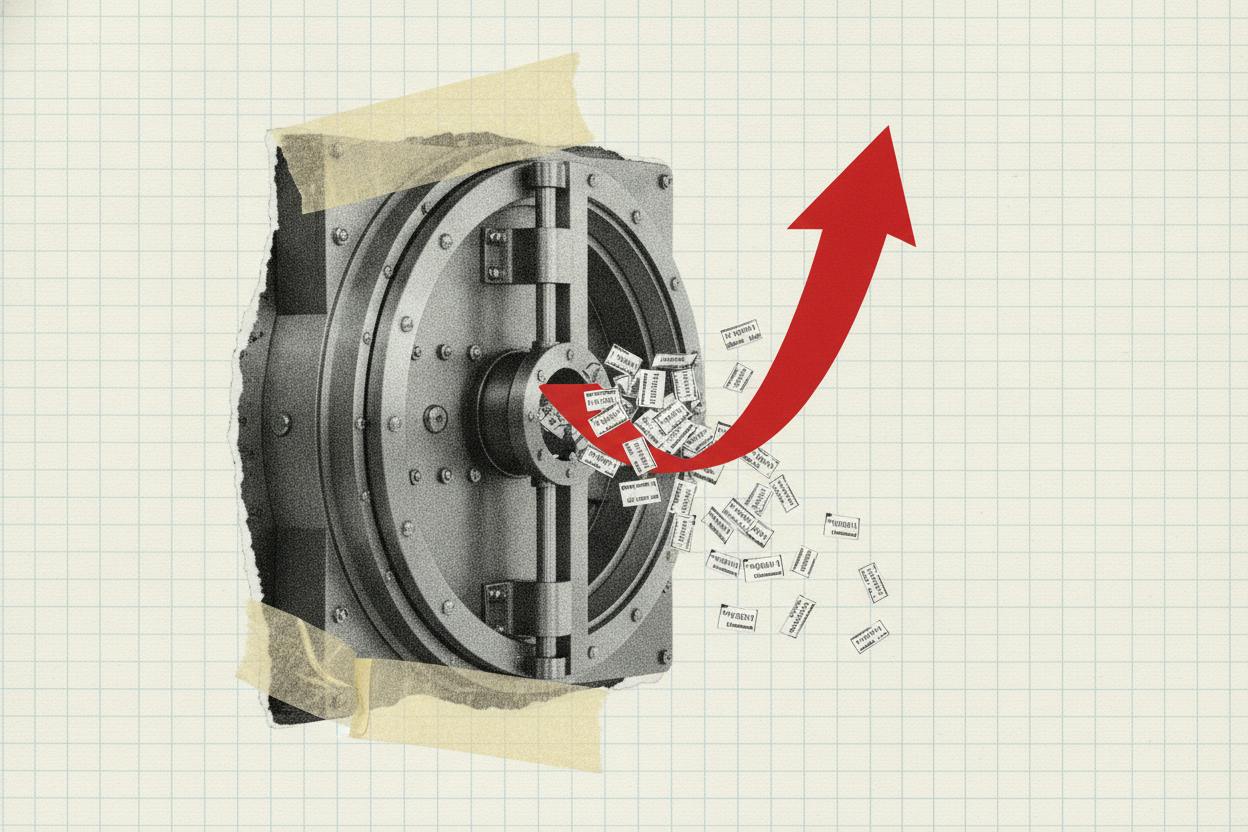
The third-quarter earnings season for big US banks kicked off with a familiar theme: growth is holding up, but it's costing more to fund it. JPMorgan Chase, Citigroup, and Wells Fargo all reported steady increases in loans and deposits, even as higher Treasury yields pushed up the price banks must pay to keep customers' cash.
According to Reuters, the three lenders managed to grow despite expectations that higher interest rates would cool borrowing and send depositors chasing better returns elsewhere. Citi said average deposits rose 11% and loans 12% from a year earlier. Wells Fargo saw deposits grow 10.7% and loans 11%. JPMorgan's deposits climbed 4%, with loans up 2%.
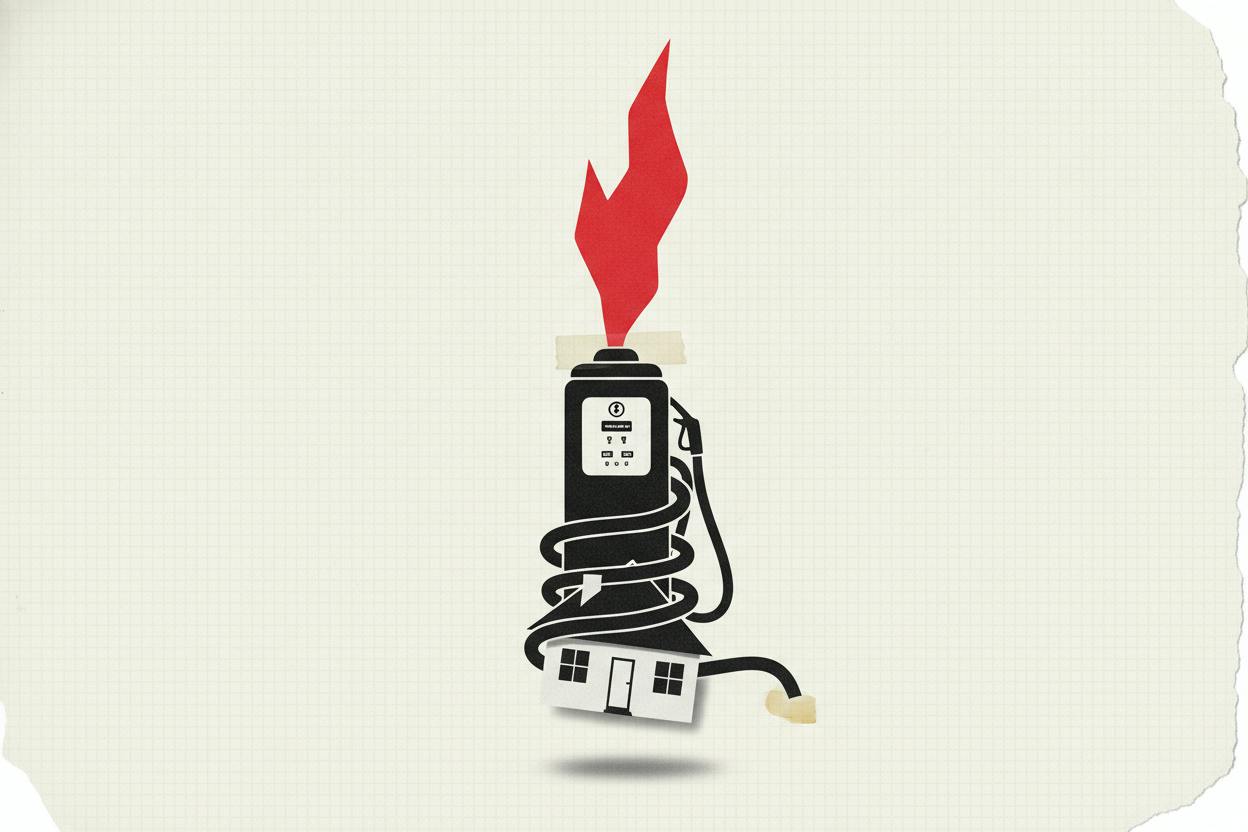
The catch is the cost of funding. When Treasury yields rise, savers can earn more in money market funds and other low-risk investments. To compete, banks have to offer higher rates on deposits, which eats into the profit they make from lending. That dynamic is squeezing net interest margins—the difference between what banks earn on loans and what they pay out on deposits.
Why deposits are getting pricier
For years, banks benefited from a flood of cheap deposits. Customers left cash in checking and savings accounts earning little or nothing, giving banks a low-cost source of funding. But as the Federal Reserve raised interest rates to fight inflation, Treasury yields climbed, and savers began to notice they could earn 5% or more in a money market fund with virtually no risk.
To stop customers from pulling their money out, banks have had to raise the rates they pay on deposits. That's a direct hit to their profitability. The trend is especially pronounced at larger banks, where corporate clients and wealthy individuals are more likely to move cash into higher-yielding alternatives.
This is not a new problem. Banks have been grappling with rising deposit costs for over a year. But the latest results show that even as the pressure persists, the biggest players are still finding ways to grow their core businesses.
What the numbers tell us
JPMorgan, the largest US bank by assets, reported modest but steady growth. Its 4% rise in deposits and 2% increase in loans suggest that demand for credit is still there, though not booming. Citi's double-digit growth in both deposits and loans stands out, reflecting its global footprint and efforts to expand in areas like wealth management and corporate banking.
Wells Fargo, which has been working to recover from a series of regulatory scandals, also showed solid growth. Its 10.7% deposit increase and 11% loan growth indicate that customers are sticking with the bank, even as it pays more to keep their money.
These results come on the heels of a mixed earnings season for banks. Some rivals have missed revenue expectations, and JPMorgan itself flagged potential losses in a recent quarter. The broader picture is one of resilience, but with clear headwinds from funding costs and a cooling economy.
What it means for investors
For everyday investors, the key takeaway is that bank stocks are navigating a tricky environment. Higher deposit costs can compress profit margins, which may weigh on earnings growth. But the fact that these three giants are still growing loans and deposits suggests the underlying economy is not collapsing.
Investors should watch how banks manage their funding costs in the coming quarters. If Treasury yields stay elevated, banks may continue to pay up for deposits, which could limit earnings growth. On the other hand, if the Fed starts cutting rates, deposit costs could ease, giving banks a boost.
It's also worth noting that not all banks are created equal. Regional banks, which rely more heavily on deposits, may feel the pinch more acutely than the mega-banks. The mixed earnings from big banks highlight the uneven impact of higher rates.
For those with money in bank accounts, the silver lining is that you're likely earning more on your savings. But it's a reminder to shop around for the best rates, as banks compete for your deposits.
Looking ahead
The next few months will be crucial for banks. The soft patch in September, driven by bond market swings, could slow deal-making and trading revenue. And while Citi's profit jumped 40%, a late-quarter slowdown looms.
Investors will also be watching for signs of stress in the broader economy. If loan growth continues but defaults rise, that could offset the benefits of higher interest income. For now, the big banks are showing they can grow, but the cost of that growth is rising.
As always, it's important to remember that bank stocks are cyclical. They tend to perform well when the economy is strong and interest rates are stable, but they can struggle when rates are volatile or the economy weakens. Diversification remains a key principle for any portfolio.