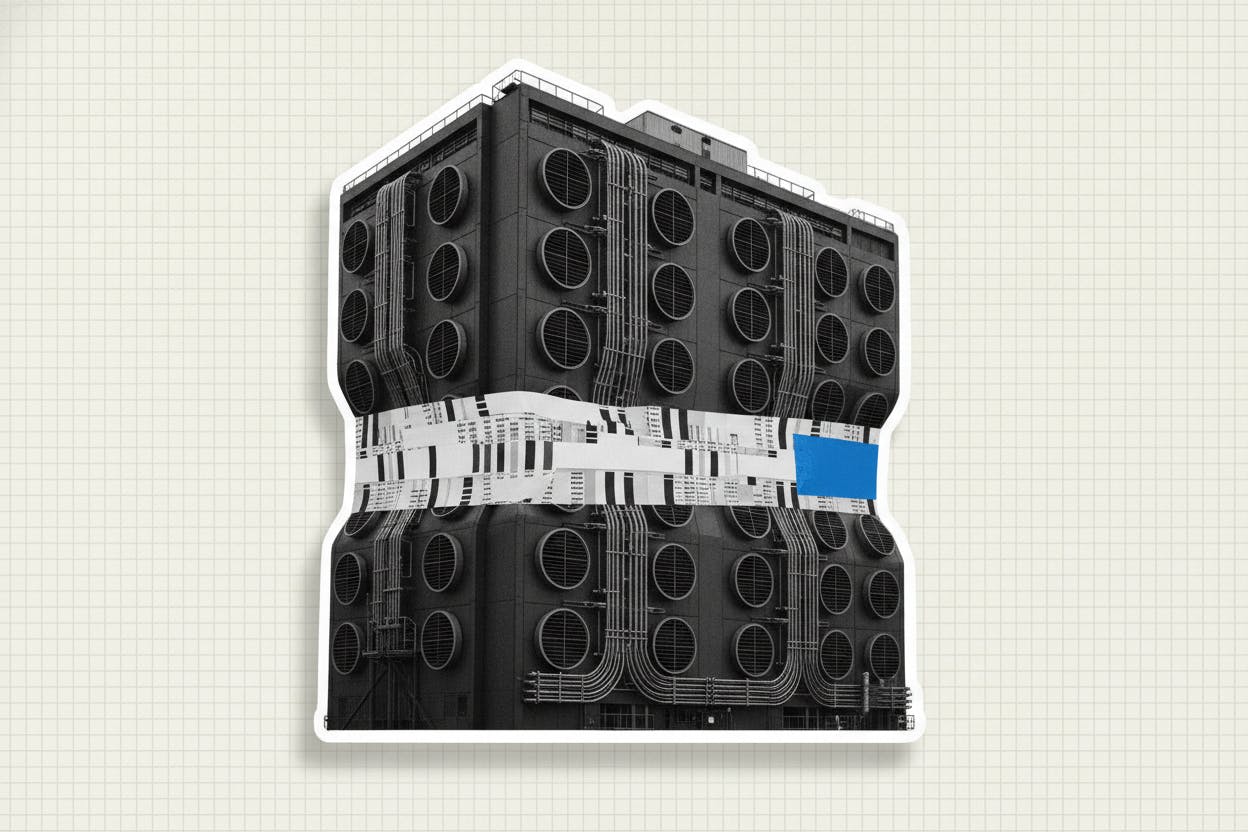
Blackstone, the world's largest alternative asset manager, is lining up banks for a A$4.3 billion (approximately US$2.8 billion) five-year loan to fund AirTrunk's SYD3 hyperscale data center project in Australia, according to a Bloomberg report. The deal underscores the massive capital requirements of the artificial intelligence boom and the increasing strain on Asia-Pacific lenders as they near their exposure limits to the sector.
What Is a Hyperscale Data Center?
A hyperscale data center is a massive facility designed to support cloud computing and AI workloads at enormous scale. Unlike traditional data centers, hyperscale facilities can house hundreds of thousands of servers and consume as much electricity as a small city. AirTrunk, a leading Asia-Pacific data center platform majority-owned by Blackstone, is building SYD3 in Sydney to meet the region's exploding demand for AI and cloud services.
The five-year loan will help finance construction and equipment for the facility. Such loans are typically syndicated among multiple banks, meaning several lenders share the risk. In this case, Blackstone is acting as the arranger, bringing together a group of banks to provide the capital.
Why Banks Are Nearing AI Exposure Limits
The source brief notes that Asia-Pacific lenders are "running closer to AI exposure limits." This refers to regulatory and internal risk limits that restrict how much a bank can lend to a single sector or borrower. As AI-related infrastructure projects—data centers, fiber networks, and power grids—proliferate, banks are approaching these caps. This could slow future lending for similar projects unless banks raise their limits or find new ways to participate, such as through syndication or selling loan portions to other investors.
The trend is not unique to Asia-Pacific. Globally, banks are grappling with how to manage exposure to the fast-growing AI sector, which requires enormous upfront capital but offers long-term revenue potential. For investors, this means that financing costs for AI infrastructure may rise, potentially affecting the profitability of data center operators and their backers.
What This Means for Investors
For everyday investors, this deal signals several things. First, the AI boom is not just about chipmakers like Nvidia or software companies like Microsoft—it also requires massive physical infrastructure. Data center operators like AirTrunk, and their financial backers like Blackstone, are key beneficiaries. Second, the fact that banks are nearing exposure limits suggests that the pace of AI infrastructure buildout could face headwinds, potentially slowing the growth of companies reliant on new data center capacity.
Blackstone's involvement is notable because it shows how private equity and asset managers are stepping in to fill gaps left by traditional bank lending. The firm has been aggressively investing in data centers, seeing them as a long-term growth play tied to digital transformation and AI. This deal also highlights the growing role of alternative lenders in financing large-scale infrastructure projects.
Investors should watch for similar deals in other regions, as well as any regulatory changes that might affect bank lending limits. The broader takeaway is that AI infrastructure is becoming a capital-intensive industry where financing dynamics matter as much as technology trends.
Broader Context: AI Infrastructure Spending Surge
The AirTrunk loan is part of a wave of investment in AI infrastructure. Major tech companies like Amazon, Microsoft, and Google are spending tens of billions of dollars on data centers and cloud capacity. For instance, Amazon has reaffirmed AI model building as a top priority, while AMD is betting up to $5 billion on AI server deals. These investments are driving demand for data center space, power, and cooling systems.
At the same time, companies that supply components for data centers are seeing surging orders. TE Connectivity recently lifted its outlook as AI data center orders surged 70%, reflecting the ripple effects of this buildout. Even energy companies are benefiting: Fortum noted that data center demand offers long-term support for nuclear power, despite short-term challenges.
For investors, the key takeaway is that AI infrastructure is a multi-trillion-dollar theme that will shape markets for years. However, the financing constraints highlighted by this deal suggest that the pace of growth may not be linear, and that capital availability will be a critical factor to monitor.



