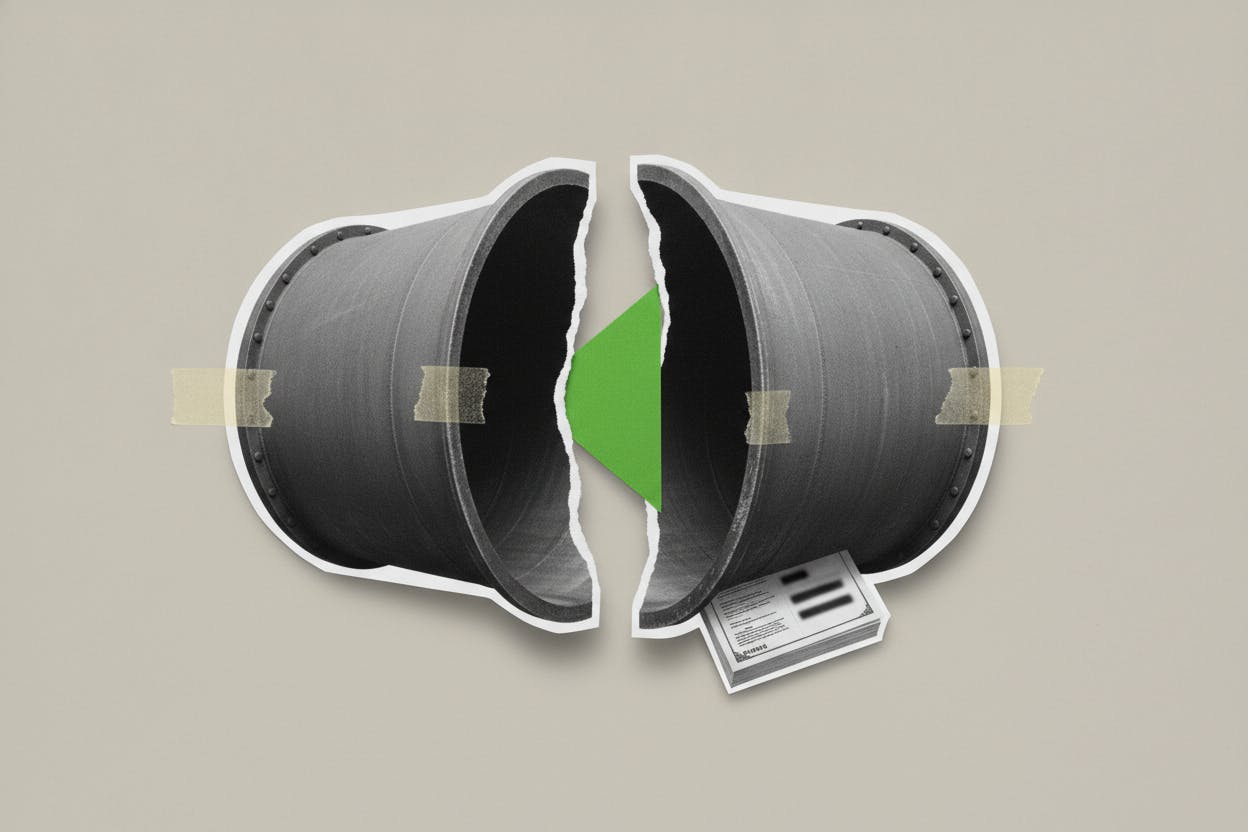
Corporate dealmaking showed no signs of slowing this week, as companies across energy, telecom, and utilities moved to reshape their portfolios. The flurry of activity ranged from a £1.85 billion buyout of British engineering firm Bodycote to a 49% stake sale in a $1.2 billion Florida gas pipeline project.
For everyday investors, these deals are more than just headlines. They signal how companies are positioning themselves for the future—whether by doubling down on core businesses, shedding non-essential assets, or bringing in partners to share the cost of big projects.
Bodycote buyout: a bet on specialized manufacturing
The most eye-catching deal was the £1.85 billion acquisition of Bodycote, a UK-based company that provides heat treatment and other specialized services to manufacturers. The buyer, private equity firm Veritas Capital, outbid rival CVC to secure the deal, according to reports. Veritas Capital's winning bid for Bodycote underscores the appeal of companies that play a critical role in supply chains.
Bodycote's services are used in industries ranging from aerospace to automotive, where precision and durability are essential. For private equity, such firms offer steady cash flows and the potential for operational improvements. For investors, the deal highlights how buyout firms are willing to pay a premium for businesses with strong market positions.
Florida gas project: sharing the cost of energy infrastructure
In the energy sector, a 49% stake in a $1.2 billion Florida gas pipeline project was sold, a move that allows the original owner to raise capital while retaining control. This type of partial sale is common in large infrastructure projects, where the upfront costs are huge and risks are shared among partners.
The deal comes as energy prices remain a key concern for households and businesses. Oil prices have been volatile recently, and natural gas infrastructure is seen as a critical piece of the energy transition. By selling a stake, the project's owner can free up cash for other investments while still benefiting from the project's long-term revenue.
Why are companies reshaping their portfolios?
Across sectors, companies are taking a hard look at their business lines and deciding what to keep, what to sell, and what to buy. This trend is driven by several factors:
- Focus on core strengths: Many firms are shedding non-core assets to concentrate on areas where they have a competitive edge.
- Access to capital: Selling stakes in large projects or entire businesses can raise cash for debt repayment, dividends, or new investments.
- Strategic partnerships: Bringing in partners for big projects spreads risk and brings in expertise.
- Valuation opportunities: When stock prices are high, companies may use their shares as currency for acquisitions; when they are low, private equity may step in.
This wave of activity is not limited to energy and manufacturing. Aon's $17 billion acquisition of USI Insurance Services shows that dealmaking is also robust in financial services. And Wella's IPO filing indicates that companies are also looking to public markets for capital.
What it means for investors
For everyday investors, these deals can have several implications. First, they can affect the stock prices of the companies involved. When a buyout is announced, the target's shares typically jump to near the offer price, as seen with Bodycote. Shareholders of the acquirer may see a short-term dip if the market worries about overpaying.
Second, M&A activity can be a sign of confidence in the economy. When companies are willing to make large commitments, it often reflects a belief that demand will hold up. However, it can also signal that organic growth is hard to come by, prompting firms to buy growth instead.
Finally, for those invested in funds or ETFs, these deals can change the composition of their holdings. A company that is taken private will be removed from public indices, while a stake sale may alter the financial profile of a firm.
As always, it's important to remember that M&A activity is just one piece of the puzzle. Investors should look at the broader picture, including earnings, cash flow, and industry trends, before making any decisions.
With dealmakers staying busy across energy, telecom, and utilities, the coming months could see more portfolio reshaping. Whether that's good or bad for your investments depends on the specifics of each deal and how well companies execute their strategies.



