The Bank of England raised its key interest rate on [date], and the decision's hawkish tone sent UK government bond yields higher. The Monetary Policy Committee voted 8-1 to lift borrowing costs by 25 basis points, with one member, Catherine Mann, dissenting in favor of a larger 50-basis-point move. That split was read by markets as a signal that policymakers remain worried about inflation, even as energy prices have cooled and economic growth looks fragile.
The vote, and the accompanying message, prompted traders to quickly adjust their expectations for future rate moves. Money markets lifted the implied probability of another hike at the December meeting to about 50%, up from roughly 30% before the decision. They also priced in a slightly higher total amount of rate increases through the end of 2027.
That repricing fed directly into the gilt market. The two-year yield, which is especially sensitive to near-term rate expectations, rose to 4.79%, while the 10-year yield ended the day around 5.17%. Yields move on expectations, not just today's decision. Even if the BoE insists this is not the start of a long hiking cycle, investors will keep demanding higher yields if they think inflation could re-accelerate or that rates might stay elevated for longer than previously assumed.
Why the vote mattered
The 8-1 vote was notable because it showed a clear majority in favor of the hike, but the dissent from Catherine Mann, who wanted a bigger move, signaled that at least one official thinks the Bank is not being aggressive enough. That is a classic hawkish signal: it suggests the balance of opinion on the committee is tilted toward doing more, not less, to fight inflation.
This is not the first time the BoE has faced such a split. Earlier this year, the Bank raised rates to 4% amid energy risks, and the path of rate hikes has been a central theme for UK markets. The current decision comes against a backdrop of easing energy prices, which might normally reduce inflation pressure, but the Bank's message suggests it is not yet convinced that the worst is over.
For context, the BoE has been raising rates for over a year to bring inflation down from multi-decade highs. The Bank's target is 2% inflation, and while recent data has shown some cooling, the committee clearly believes the job is not done. The hawkish vote is a reminder that the fight against inflation is far from over.
What it means for your money
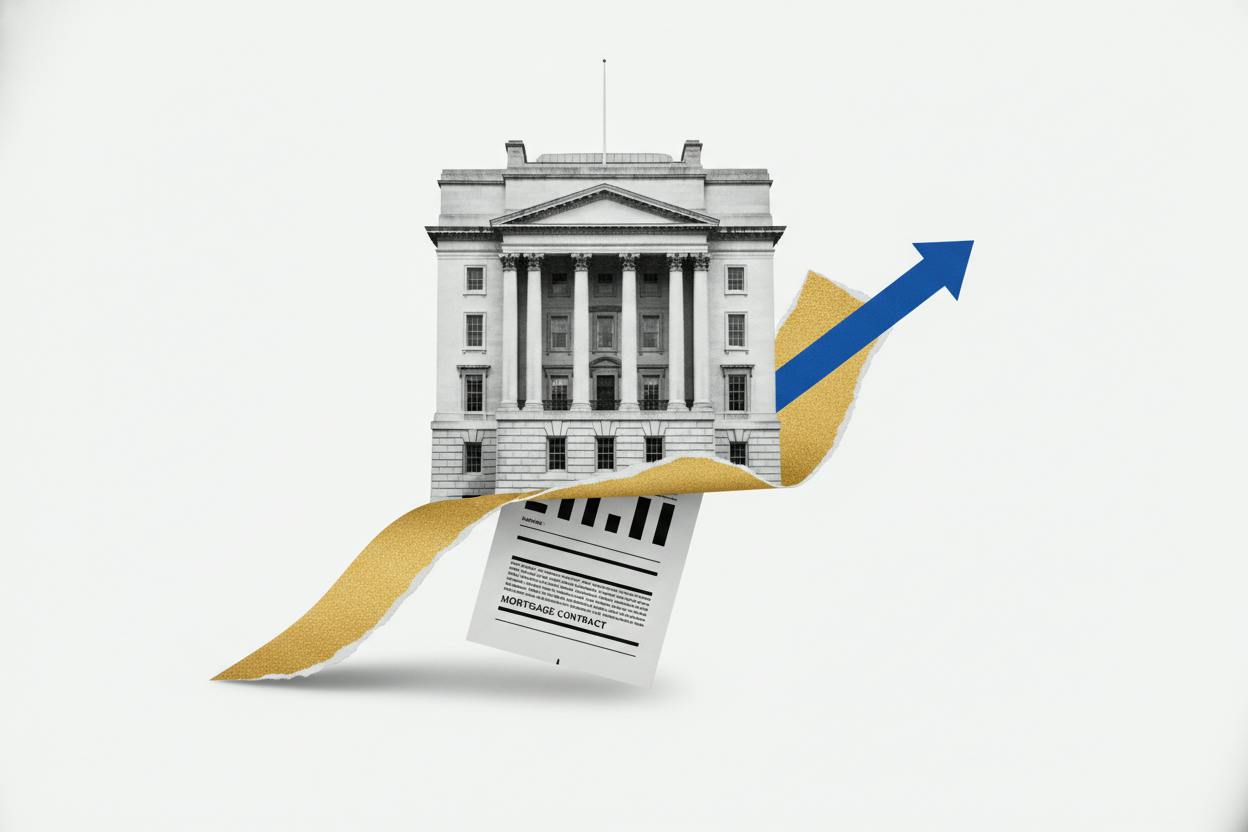
The immediate impact of higher gilt yields is on borrowing costs. Two-year gilts at 4.79% can show up in your next fixed-rate mortgage quote. Fixed-rate borrowing is priced off where markets think Bank Rate is headed over the life of your deal, not only where it sits today. When traders pushed up short-dated gilt yields and SONIA swap rates—the interest-rate benchmarks that banks hedge with—lenders' funding and hedging costs rose too.
Those costs are what banks typically build into fixed-rate mortgages, car finance, and some small-business loans. So borrowing rates can stay stubborn or even edge higher, even if Bank Rate only rises once more, because the market-implied path sets the baseline that lenders price from.
For savers, the picture is mixed. Higher rates can mean better returns on some savings accounts, but they also mean higher costs for anyone with debt. The key takeaway is that the BoE's decision, and the market's reaction, will ripple through to your personal finances, whether you are borrowing or saving.
Looking ahead
Investors will now watch for further signals from the BoE, as well as economic data that could influence the next move. The market's pricing of a roughly 50% chance of a December hike suggests that the outcome is far from certain. Any signs that inflation is proving stickier than expected could push those odds higher, while weaker growth data might pull them down.
The broader context also matters. UK bond yields have been sensitive to global trends, and moves in other major central banks, such as the US Federal Reserve, can spill over. For a related view, see how eurozone bond yields eased as oil steadied and ECB rate hike odds dipped. And for more on the energy backdrop, Brent crude topped $96 as traders weighed the Iran conflict endgame.
Ultimately, the BoE's hawkish hike is a reminder that inflation is still the dominant force in global markets. For everyday investors, the lesson is to stay informed and understand that central bank decisions have real consequences for borrowing costs and investment returns. As always, it's wise to review your own financial situation and consider how higher-for-longer rates might affect your plans.