Boeing has opened a fourth final-assembly line for its 737 MAX jet at its Everett, Washington facility, marking a significant step in the aerospace giant's efforts to ramp up production of its best-selling aircraft. The move comes as Boeing works to overcome quality and supply-chain challenges that have constrained output in recent years.
What's Happening
According to Bloomberg, the new assembly line will start slowly as Boeing fine-tunes its workflow and adds workers over time. The company's immediate target is to lift monthly 737 MAX production to 47 planes, with a longer-term ambition of reaching 63 jets per month. This represents a substantial increase from current levels, which have been held back by manufacturing issues and supplier bottlenecks.
The 737 MAX is Boeing's most important commercial aircraft, accounting for a large share of its revenue and profits. The jet returned to service in late 2020 after a global grounding following two fatal crashes, but production has been slow to recover due to heightened regulatory scrutiny and internal quality-control improvements.
Why It Matters for Investors
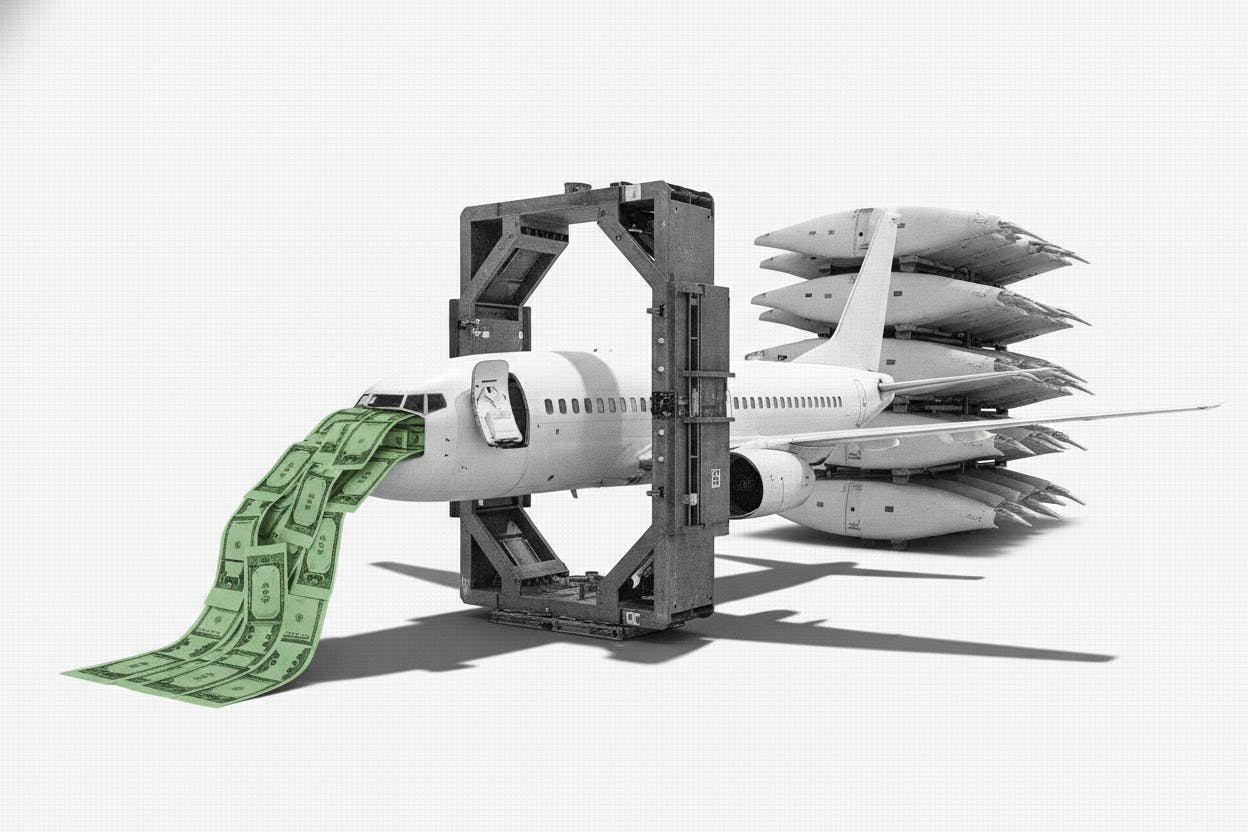
For everyday investors, Boeing's production targets are more than just a headline number. Airlines typically pay most of the purchase price of a jet when it is delivered, not when it is ordered. That means higher production rates directly translate into stronger cash flow for Boeing, which has been under pressure to reduce its debt load and improve its financial health.
Wall Street has been closely watching Boeing's ability to hit its production goals. The company has faced repeated delays and cost overruns on other programs, including the 777X and the 787 Dreamliner. The 737 MAX ramp-up is seen as a key test of Boeing's operational turnaround under CEO Dave Calhoun, who took over in 2020.
Boeing's stock has been volatile in recent years, reflecting uncertainty about its production outlook and broader market conditions. The company also faces competition from Airbus, which has been steadily increasing output of its A320neo family, the direct rival to the 737 MAX.
Broader Context
The aerospace industry is cyclical, tied to global economic growth and travel demand. After a sharp downturn during the pandemic, air travel has rebounded strongly, boosting demand for new aircraft. Airlines are eager to replace older, less fuel-efficient planes with newer models like the 737 MAX, which offers better fuel economy and lower emissions.
However, supply-chain disruptions have been a persistent headache for Boeing and its suppliers. Shortages of engines, electronics, and raw materials have forced the company to slow production at times. The new Everett line is designed to add flexibility and capacity, but it will take time to reach full speed.
Boeing's production challenges are not unique. Other industrial companies, from automakers to chip manufacturers, have faced similar issues in the post-pandemic era. The broader economic backdrop, including interest rate hikes by central banks to combat inflation, has also weighed on investor sentiment.
What to Watch Next
Investors will be watching Boeing's monthly delivery numbers closely in the coming quarters. Any signs that the company is hitting its 47-plane target would be a positive signal. Conversely, further delays or quality problems could weigh on the stock.
Boeing is also working on other initiatives, including the development of a new mid-market airplane and improvements to its defense and space businesses. The company's ability to execute on its production plans will be a key factor in its long-term performance.
For context, other companies in the industrial and tech sectors are also making headlines. For example, SK Hynix's Nasdaq Debut Gets Options Listing Two Days After Start shows how quickly markets can move for new listings. Meanwhile, Aluminum Prices Slide as Emirates Global Restarts Key Al Taweelah Refinery After Outage highlights how supply disruptions can affect commodity markets. In the tech world, AI Chip Startup Positron Eyes $5 Billion Valuation in Two-Stage Funding Round underscores the ongoing investor appetite for artificial intelligence plays.
Boeing's story is ultimately about execution. The company has the orders and the demand; now it needs to deliver the planes. For investors, that means watching the numbers and the news flow for signs of progress or setbacks.