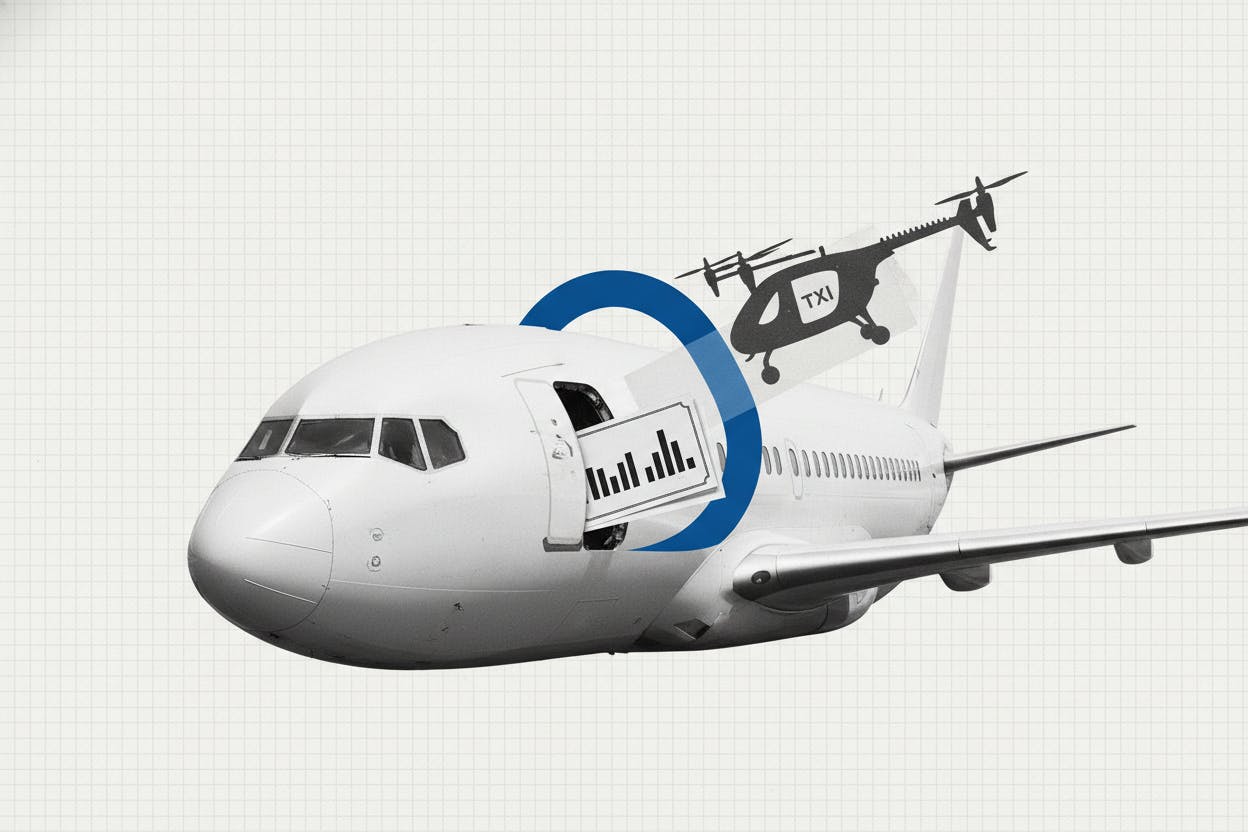
Boeing has struck a deal to sell three of its non-core aviation businesses to Archer Aviation, taking a nearly 20% equity stake in the electric air taxi maker instead of cash. The transaction, announced late Thursday, covers Wisk Aero, drone manufacturer Insitu, and airspace-services firm SkyGrid.
The move is the latest step in Boeing's effort to streamline its operations and concentrate on its main business: building and delivering commercial jetliners. The company has been under pressure to shore up its finances and restore its reputation after years of production problems and regulatory scrutiny.
What's being sold and what Boeing gets
Wisk Aero is a developer of autonomous electric vertical takeoff and landing aircraft, commonly known as air taxis. Insitu makes unmanned aerial vehicles, including the ScanEagle drone used by the military. SkyGrid provides airspace management software for drone operations.
In exchange for these businesses, Boeing will receive a stake in Archer Aviation worth just over $1 billion, based on Archer's share price at Thursday's close. The deal is structured as an all-stock transaction, meaning Boeing won't see any cash from this sale. The stake will only be transferred once the deal closes, which is expected to happen later this year.
This follows Boeing's recent sale of its Jeppesen navigation-data unit for $10.6 billion in cash, a deal that helped boost the company's liquidity. The Archer transaction, by contrast, is more about strategic positioning than immediate cash flow.
Why Boeing is doing this
Boeing has been shedding businesses that aren't central to its core operations. The company's primary focus is on manufacturing and delivering commercial aircraft, as well as its defense and space work. By divesting Wisk, Insitu, and SkyGrid, Boeing can reduce complexity and direct more management attention and capital to its main product lines.
At the same time, the deal lets Boeing keep a foot in the door of autonomous flight technology. Archer is a leader in the emerging air taxi market, and Boeing will retain access to that technology through its equity stake. That could prove valuable if urban air mobility becomes a major industry in the coming decades.
For Archer, the acquisition brings in established drone and airspace management capabilities, which could help it accelerate its own development and certification efforts. Archer is working to launch commercial air taxi services in the coming years, and adding Wisk's autonomous technology and Insitu's drone expertise could strengthen its position.
What it means for investors
For Boeing shareholders, this deal is a modest but positive step. It removes some non-core assets from the balance sheet and reinforces the company's commitment to its core business. The $1 billion stake is relatively small compared to Boeing's overall market value, but it represents a vote of confidence in Archer's future.
For Archer investors, the deal is more significant. The company is gaining valuable technology and talent, and the endorsement from Boeing—a major aerospace player—could boost its credibility. However, Archer is still a pre-revenue company with significant cash burn, and the air taxi market remains unproven. Investors should be aware that this is a high-risk, high-reward sector.
The broader market context is also worth noting. AI optimism and cooler US inflation have been supporting stock prices recently, and flat producer prices have boosted hopes for a Fed pause, which could keep risk appetite healthy. But Boeing's own stock has been volatile, and the company still faces challenges in ramping up production and resolving quality issues.
What to watch next
Investors will be watching for the deal to close, which requires regulatory approval. They'll also be monitoring Boeing's progress on its core business, including delivery targets and any further asset sales. For Archer, the focus will be on certification milestones and any signs that its air taxi services are moving closer to commercial reality.
This deal is part of a broader trend of traditional aerospace companies repositioning themselves for the future of flight. Whether that future includes flying taxis remains to be seen, but Boeing is making sure it has a seat at the table—without betting the whole company on it.