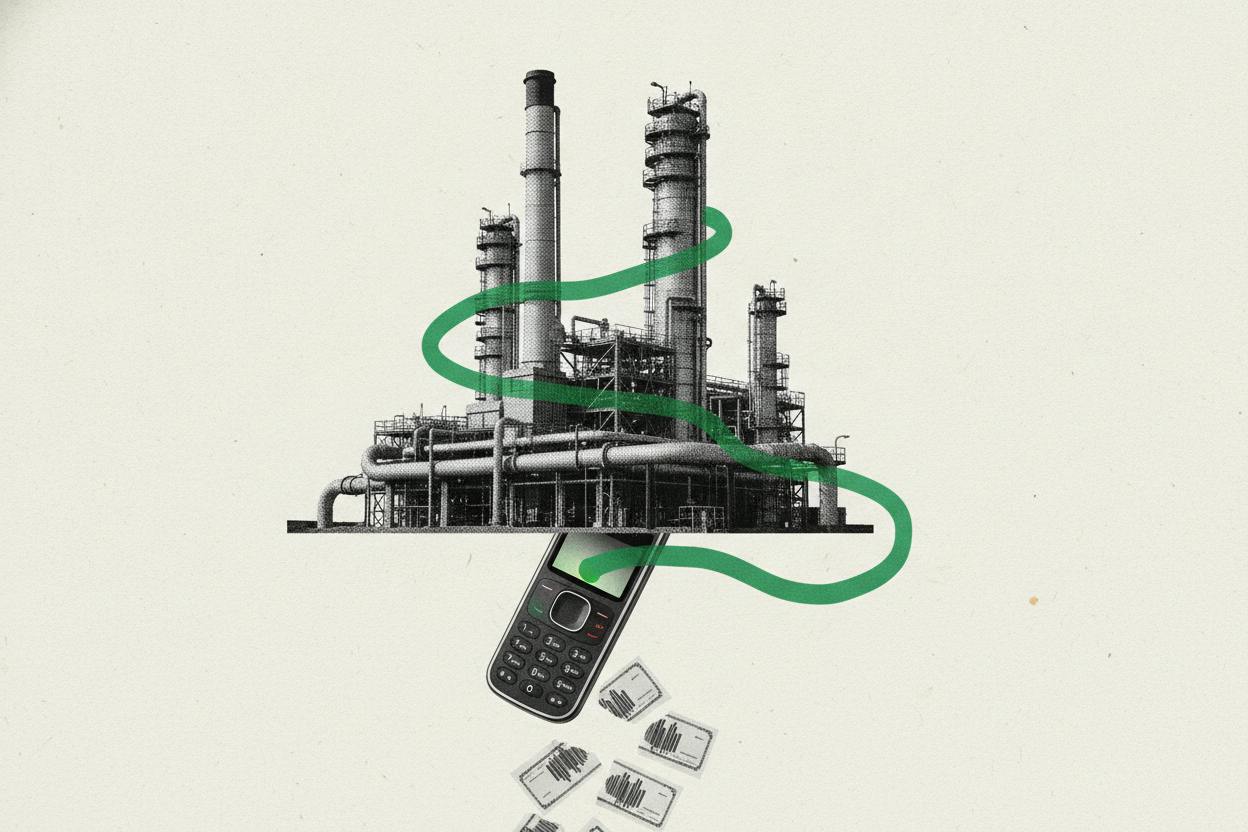
Bank of America has run a stress test on Prysmian, the Italian cable and energy-grid equipment maker, to see how the company would fare if the artificial-intelligence boom suddenly cooled. The bank's conclusion: even in a deliberately harsh scenario, the stock still looks like it has room to rise.
Prysmian has been one of the quieter winners of the AI infrastructure buildout. Its cables and grid equipment are essential for the massive data centers that power AI models, and demand has surged as tech giants pour billions into new facilities. But that reliance on AI spending has also made investors nervous: what happens to Prysmian if those budgets get cut?
Bank of America tried to answer that question by modeling a worst-case situation. The bank assumed Prysmian loses the extra profits it has been earning from data-center demand in its Power Grid and Electrification units. It also assumed the company's Digital Solutions business slips back toward older, lower-margin telecom work. Under those assumptions, the bank cut its 2028 estimated EBITDA (earnings before interest, taxes, depreciation, and amortization) from €4.4 billion to €3.4 billion.
Even with that steep reduction, the bank's bear-case valuation still points to about 10% upside from current levels. In other words, Prysmian would still be worth more than its current share price, suggesting the market has already priced in a significant slowdown.
Why this matters for investors
The stress test is a useful reality check for anyone worried that the AI trade is a bubble. Many companies have seen their valuations soar on the back of AI optimism, and a sharp pullback in spending would hit them hard. But Prysmian's case suggests that even in a severe downturn, the company's underlying business—selling cables and grid equipment for energy infrastructure—remains solid.
Prysmian is not a pure AI play. Its products are also used in renewable energy projects, grid modernization, and traditional telecom networks. That diversification provides a cushion if data-center demand falters. The bank's analysis highlights that the company's core operations, outside of AI, still generate meaningful profits.
For everyday investors, the takeaway is that not every AI-related stock is equally vulnerable. Companies with diversified revenue streams and essential products may be better positioned to weather a slowdown. This is a reminder to look beyond the hype and consider what a company actually does and how it makes money.
What to watch next
Investors will be watching Prysmian's upcoming earnings reports for signs of how data-center demand is evolving. The company's guidance on its Power Grid and Electrification units will be particularly telling. If management signals that AI-related orders are slowing, the stock could come under pressure. But if demand remains strong, the bear case may be too pessimistic.
Broader market sentiment also matters. The AI trade has been a major driver of stock market gains, and any sign of weakness could ripple across tech and infrastructure names. For context, other companies in the AI supply chain have been reporting strong results, such as TTM Technologies beating estimates and raising its outlook, and NextEra's renewables unit powering growth. These reports suggest that, for now, the AI boom is still intact.
However, the stress test is a reminder that conditions can change quickly. If AI spending slows, companies like Prysmian that have benefited from the boom will need to adapt. The bank's analysis suggests Prysmian has the flexibility to do so, but that doesn't mean the stock is immune to volatility.
The bottom line
Bank of America's stress test offers a measure of reassurance for Prysmian investors. Even in a worst-case scenario, the stock appears to have upside. But that doesn't mean the risk has disappeared. AI spending is a key growth driver, and any significant pullback would hurt the company's earnings.
For investors, the key is to understand the balance between risk and reward. Prysmian's diversified business model provides a buffer, but it's not a guarantee. As always, it's important to consider your own financial situation and risk tolerance before making any investment decisions.