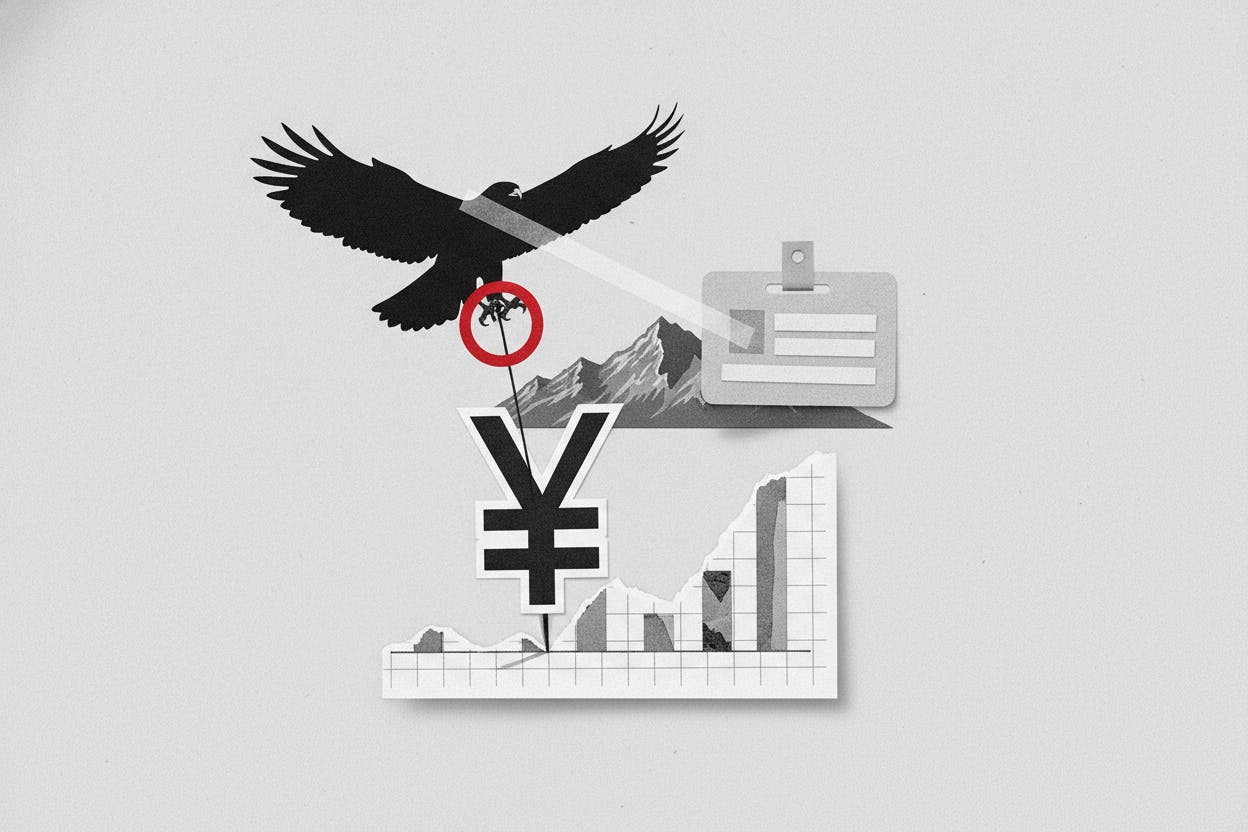
The Bank of Japan (BOJ) is making a notable change to its delegation for this week's Jackson Hole symposium. Instead of Governor Kazuo Ueda, the central bank will send board member Naoki Tamura, a policymaker widely regarded as a hawk on monetary policy. The move comes as traders increasingly bet that the BOJ could raise interest rates again as soon as September.
What's happening at Jackson Hole
Jackson Hole is the Federal Reserve's annual economic policy conference, held in Wyoming's Grand Teton National Park. It's a magnet for central bankers, finance ministers, and top economists from around the world. While the event is partly social, its real significance lies in the speeches and informal signals that emerge. A single comment from a central bank chief can move currency markets, bond yields, and stock prices within seconds.
For the BOJ, sending Tamura instead of Ueda is a deliberate choice. Tamura has a reputation for favoring tighter policy—meaning he's more inclined to support rate hikes to combat inflation or prevent the yen from weakening too much. His presence at Jackson Hole, where he'll likely mingle with other central bankers and possibly speak, is being interpreted by markets as a hint that the BOJ is preparing to act.
Why the yen and rates matter
Japan's central bank has been a standout in the global rate landscape. While the U.S. Federal Reserve and other major central banks have been cutting rates or holding them steady, the BOJ has been gradually normalizing policy after years of ultra-low interest rates. In March, the BOJ ended its negative interest rate policy, and in July it raised rates again, surprising many investors.
The yen has been a key driver of BOJ decisions. A weak yen makes imports more expensive, which can push up inflation—something Japan has struggled with for decades. When the yen falls, the BOJ often faces pressure to hike rates to support the currency. Conversely, a stronger yen can ease inflation pressures and reduce the need for aggressive tightening.
Jackson Hole is a prime venue for central bankers to signal their intentions. If Tamura strikes a hawkish tone—suggesting that further rate hikes are likely—the yen could strengthen. That would have ripple effects across global markets, particularly for Japanese exporters and for investors holding yen-denominated assets.
What it means for investors
For everyday investors, the key takeaway is that Japan's interest rate path is far from settled. A September hike by the BOJ would be a significant move, and it could affect everything from currency exchange rates to the performance of Japanese stocks and bonds.
If the yen strengthens, Japanese exporters—like automakers and electronics firms—could see their overseas profits shrink when converted back to yen. That could weigh on the Nikkei index. On the other hand, Japanese banks and insurers might benefit from higher interest rates, as they can earn more on lending and investments.
For global investors, a stronger yen could also influence the dollar-yen exchange rate, which is one of the most traded currency pairs in the world. A shift in that pair can affect the cost of imports and exports, corporate earnings, and even the attractiveness of U.S. assets relative to Japanese ones.
It's also worth noting that Jackson Hole comes at a time when markets are already on edge. Investors are watching for signals from the Fed about its own rate path, and Asian markets are bracing for a wave of rate decisions. The combination of Fed commentary and BOJ signals could set the tone for the coming weeks.
What to watch next
Beyond Tamura's remarks, investors will be watching for any official statements from the BOJ in the days following Jackson Hole. The central bank's next policy meeting is scheduled for September, and markets are already pricing in a possible hike. If Tamura's attendance is followed by more hawkish commentary from other BOJ officials, the probability of a September move could rise further.
It's also important to remember that central bank communication is often nuanced. A hawkish presence at Jackson Hole doesn't guarantee a rate hike—it could simply be a way to prepare markets for a possible move, or to manage expectations without making a firm commitment. Investors should avoid overreacting to a single event and instead look at the broader trend of BOJ policy.
For those with exposure to Japanese assets or currencies, it may be wise to stay informed and consider how a potential rate hike could affect their holdings. As always, diversification and a long-term perspective remain key.
In the meantime, the global market's attention will be split between Jackson Hole and other major events, such as Nvidia's earnings, which could also influence market sentiment. The coming days are likely to be volatile, so investors should buckle up.



