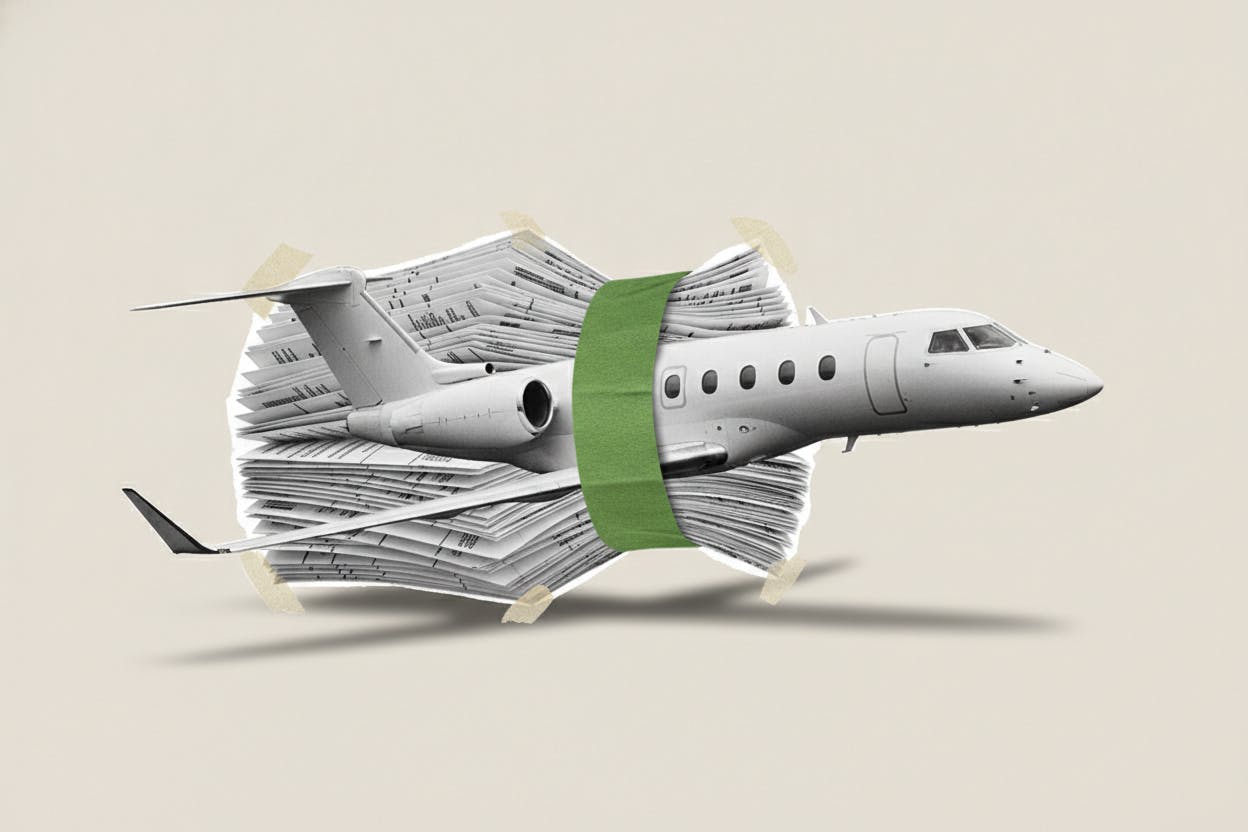
Bombardier, the Canadian business-jet manufacturer, reported a sharp turnaround in cash generation for the second quarter, with free cash flow reaching $228 million. The company said customer deposits on new orders helped push its total backlog to $21.8 billion, signaling sustained demand for private jets even as deliveries slipped.
Revenue Rises Despite Fewer Deliveries
The Montreal-based company posted revenue of $2.15 billion for the quarter, up 6% from the same period last year. The increase came largely from higher aftermarket service demand, which helped offset a decline in jet deliveries—32 aircraft handed over versus 36 a year earlier.
Free cash flow, a key metric for investors, reversed a $164 million outflow in the year-ago quarter. Bombardier attributed the improvement partly to “firm deposits” tied to new orders, which boosted cash reserves. The backlog figure of $21.8 billion represents the total value of unfilled orders, a sign of future revenue visibility.
Context: Private Jet Demand Remains Strong
The results come amid a broader trend in business aviation, where demand for private jets has stayed elevated since the pandemic. Wealthy individuals and corporations continue to invest in private travel for flexibility and time savings, though some analysts have flagged potential headwinds from economic uncertainty and rising interest rates.
Bombardier competes with Gulfstream (a unit of General Dynamics) and Dassault Aviation in the large-cabin and ultra-long-range jet segments. Its backlog growth suggests that customers are still willing to place deposits for future deliveries, even as supply chain constraints have slowed production rates across the industry.
For context, the company's focus on aftermarket services—maintenance, repairs, and upgrades—has become a growing revenue stream, providing more predictable income than aircraft sales alone. This shift mirrors strategies at other aerospace firms, where service margins often exceed those of manufacturing.
What It Means for Investors
For everyday investors, Bombardier's cash flow turnaround is a positive signal. Free cash flow is the money a company generates after covering operating expenses and capital investments, and it can be used for debt repayment, dividends, or reinvestment. A swing from negative to positive cash flow often indicates improving financial health.
The growing backlog also provides revenue visibility for the next several years, reducing the risk of sudden earnings shortfalls. However, investors should note that deliveries fell year-over-year, which could weigh on near-term revenue growth if the trend continues. Supply chain issues and labor shortages remain potential risks for the entire aerospace sector.
Bombardier's debt load has been a concern in the past, but the company has been working to reduce leverage. Positive cash flow could accelerate those efforts, potentially improving its credit profile and stock valuation.
For those interested in broader market trends, the private jet industry's resilience offers a window into luxury spending and corporate investment. Meanwhile, other sectors like private markets are also seeing shifts in investor behavior, as more individuals seek access to alternative assets.
Looking Ahead
Bombardier is expected to provide further updates on delivery targets and cash flow guidance in its next earnings report. Investors will watch for any changes in order cancellation rates, as well as commentary on supply chain constraints. The company's ability to maintain or grow its backlog while improving cash generation will be key to its financial trajectory.
In the meantime, the second-quarter results offer a snapshot of a company navigating a complex environment—balancing strong demand with operational challenges—and emerging with a healthier cash position.