Thursday brought a familiar but uncomfortable sight for markets: the 10-year US Treasury yield climbed to 5.12%, a level not seen in years, and investors responded by marking down shares of banks, homebuilders, and other companies that feel the sting of higher borrowing costs.
The move came even as the day's economic data pointed to a cooling economy. Initial jobless claims rose to 200,000, and existing home sales fell 5.5% in October to an annual pace of 3.75 million—the lowest in 16 years. But bond traders were less focused on the softening numbers and more on the fact that funding remains expensive. Long-term yields jumped another 13.2 basis points, pushing down the price of existing bonds.
Why higher yields hurt banks
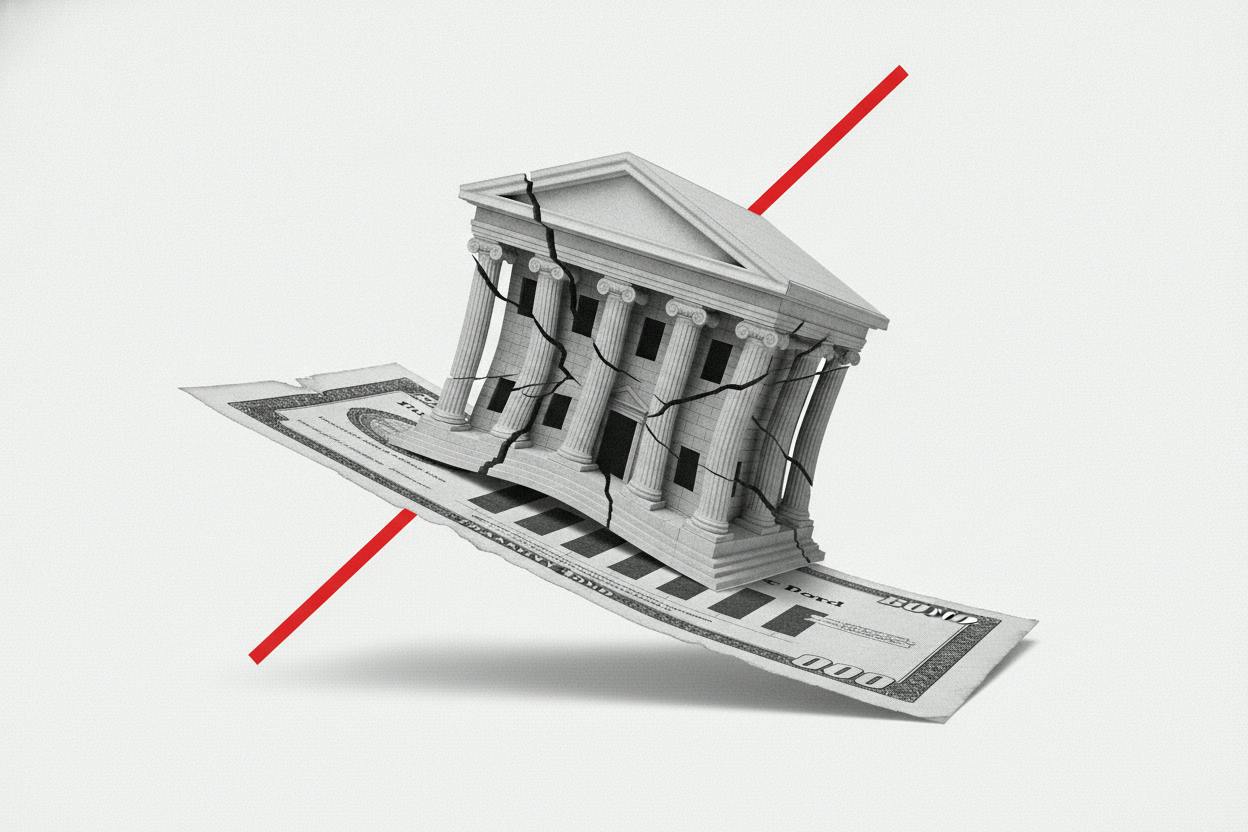
For financial institutions, the pain is direct. Banks hold large portfolios of Treasuries and mortgage-backed securities as part of their everyday operations. When yields rise, the market value of those bonds falls. That means banks' holdings are worth less on paper, which can weigh on their balance sheets and, in turn, on their stock prices.
Fintech companies, which often rely on cheap capital to fund lending and growth, also tend to suffer when borrowing costs climb. The broader financial sector slipped on Thursday, reflecting these pressures.
This isn't the first time this year that yields have flirted with the 5% mark. Earlier in 2024, the 10-year Treasury briefly touched similar levels, and regional bank stocks slipped in response. The pattern is familiar: when long-term yields push higher, rate-sensitive sectors tend to underperform.
What the data really says
On the surface, the economic reports released Thursday suggested the Federal Reserve's rate hikes are having their intended effect. Jobless claims ticking up to 200,000 is a sign that the labor market is loosening, though it remains historically tight. Existing home sales at a 16-year low point to a housing market that has been hit hard by elevated mortgage rates.
But the bond market's reaction shows that investors are more worried about the cost of money than about a slowdown. Higher yields reflect expectations that the Fed will keep rates higher for longer, or that the government's borrowing needs will keep upward pressure on yields. As one market watcher put it, the data may be cooling, but funding is still expensive.
For context, jobless claims have edged up in recent weeks, but the overall trend remains steady. The labor market is not collapsing; it's just losing a bit of steam. Similarly, the housing market's slump is a direct consequence of mortgage rates that have stayed near multi-decade highs.
What it means for investors
For everyday investors, the key takeaway is that higher yields have ripple effects beyond just bond prices. When the 10-year Treasury yield rises, it becomes a more attractive alternative to stocks, which can pull money out of equities. It also raises borrowing costs for companies and consumers, which can squeeze corporate profits and consumer spending.
Banks and financials are particularly vulnerable because their business models depend on the spread between what they pay for deposits and what they earn on loans and investments. When long-term yields rise sharply, the value of their bond portfolios drops, and that can spook investors.
That said, higher yields aren't uniformly bad. Savers can benefit from better returns on certificates of deposit and money market funds. And for investors with diversified portfolios, the impact of a yield spike is often muted over the long run.
Looking ahead, markets will be watching the Fed's next moves. Fed officials have signaled that more rate hikes are possible, but they're in no rush, partly because higher bond yields themselves are doing some of the tightening work. If yields keep climbing, the Fed may feel less pressure to act.
For now, the message from the bond market is clear: funding costs are high and likely to stay that way. That's a headwind for banks, homebuilders, and any company that relies on cheap credit. Investors should keep an eye on how these sectors navigate the environment—and remember that in markets, what goes up can also come down.



