London's FTSE 100 is poised to open slightly higher on Tuesday, with futures pointing up 0.2%, as investors digest a fresh wave of corporate restructuring from two of the index's heavyweight names.
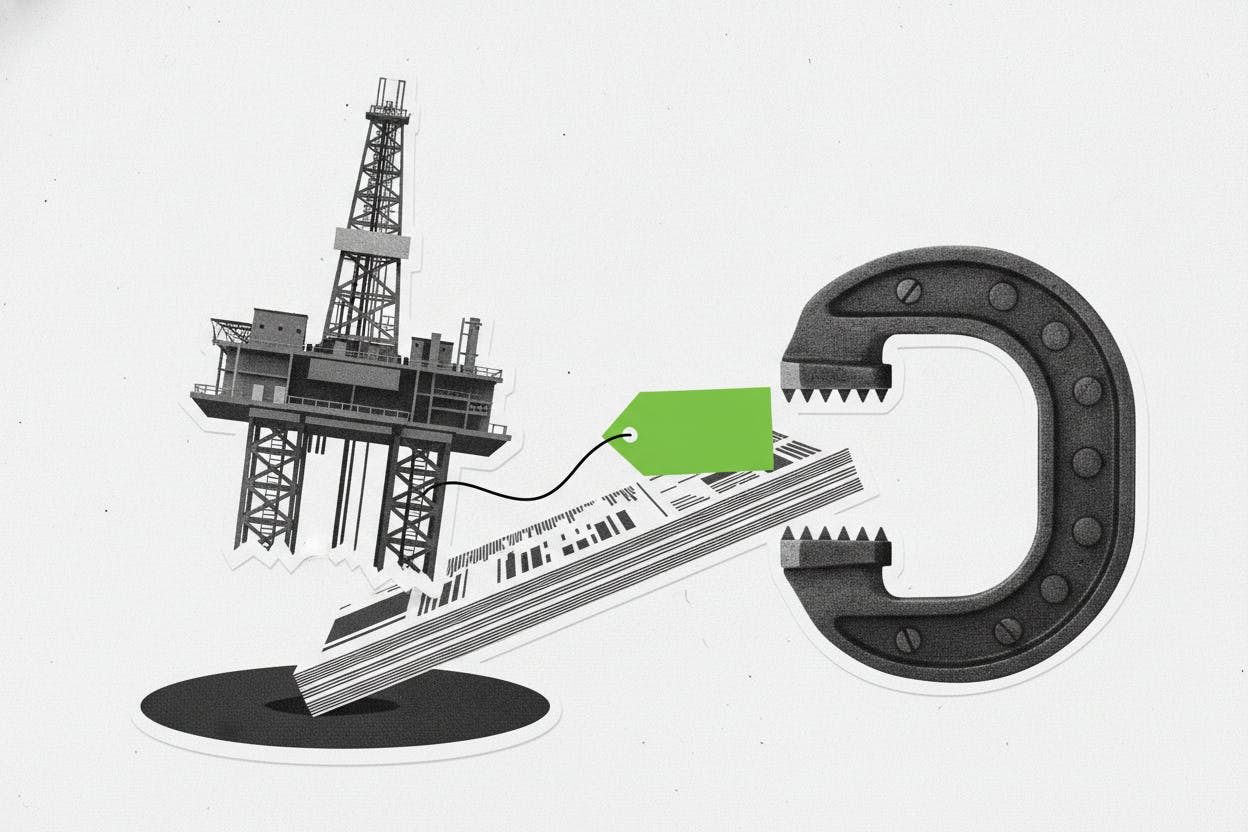
BP announced it has launched a formal sale process for its North Sea business, a move that signals the oil major is accelerating a portfolio cleanup aimed at simplifying operations and freeing up cash. The sale comes as the company's new chief executive focuses on reducing debt and reshaping the energy giant for a lower-carbon future.
In a separate but equally significant deal, HSBC agreed to sell its A$36 billion Australian home and personal loan book to Blackstone, the private investment firm. The transaction is being billed as the largest home-loan portfolio sale ever, underscoring the scale of HSBC's retreat from parts of its global retail banking operations.
What's driving the moves?
BP's decision to formally put its North Sea assets on the block is part of a broader strategy to streamline its portfolio. The North Sea, once the heart of the UK's oil and gas industry, has become less central to BP's long-term plans as the company pivots toward renewable energy and higher-margin projects. By selling mature assets, BP can raise capital to fund its transition and reduce the complexity of its operations.
For HSBC, the sale of its Australian loan book is another step in a global restructuring that has seen the bank exit or shrink operations in several markets. The deal with Blackstone, which manages large pools of capital for institutional investors, allows HSBC to offload a chunk of its balance sheet while Blackstone gains a substantial portfolio of income-generating loans.
These corporate actions come against a backdrop of relatively calm markets. The modest rise in FTSE futures suggests investors are cautiously optimistic, though there is little in the way of major economic data to drive sentiment today.
What it means for investors
For everyday investors, these deals are a reminder that large companies are constantly reshaping their portfolios to improve returns. When a company like BP sells a business, it often signals that management believes the money can be better deployed elsewhere. That can be a positive sign for shareholders if the proceeds are used to pay down debt, fund buybacks, or invest in higher-growth areas.
Similarly, HSBC's decision to sell its Australian loans is part of a trend among global banks to focus on core markets and reduce exposure to riskier or less profitable assets. For investors holding HSBC shares, the deal could improve the bank's capital position and simplify its earnings story.
However, it's important to note that these are long-term strategic moves. The immediate impact on share prices may be muted, and the full benefits—or drawbacks—will only become clear over time. Investors should watch how BP uses the proceeds from the North Sea sale and whether HSBC's Australian exit leads to further divestitures.
In the broader market, the FTSE 100's slight uptick reflects a sense of stability, but the index remains sensitive to global factors such as interest rates, inflation, and energy prices. For those with diversified portfolios, these corporate shake-ups are part of the normal churn that can create opportunities but also carry risks.
As always, it's wise to focus on your own investment goals and time horizon rather than reacting to every headline. The moves by BP and HSBC are significant, but they are just two pieces of a much larger puzzle.