BYD, China's largest electric-vehicle maker, reported a 28% year-on-year rise in third-quarter net profit to 10 billion yuan (about $1.5 billion), but the figure fell short of what analysts had expected. The miss highlights the growing cost of the company's aggressive overseas expansion, which is now absorbing more cash even as sales volumes climb.
What the numbers show
Revenue for the July-to-September period grew 13.6% to 221.5 billion yuan, helped by a strong 18.8% jump in total vehicle sales to more than 1.32 million units. Overseas shipments more than doubled during the quarter, offsetting softer demand in China's highly competitive home market.
However, the profit figure came in below the range of 11.4 billion to 12.95 billion yuan that brokers polled by Reuters had forecast. The shortfall points to rising costs and pricing pressure as BYD battles rivals both at home and abroad.
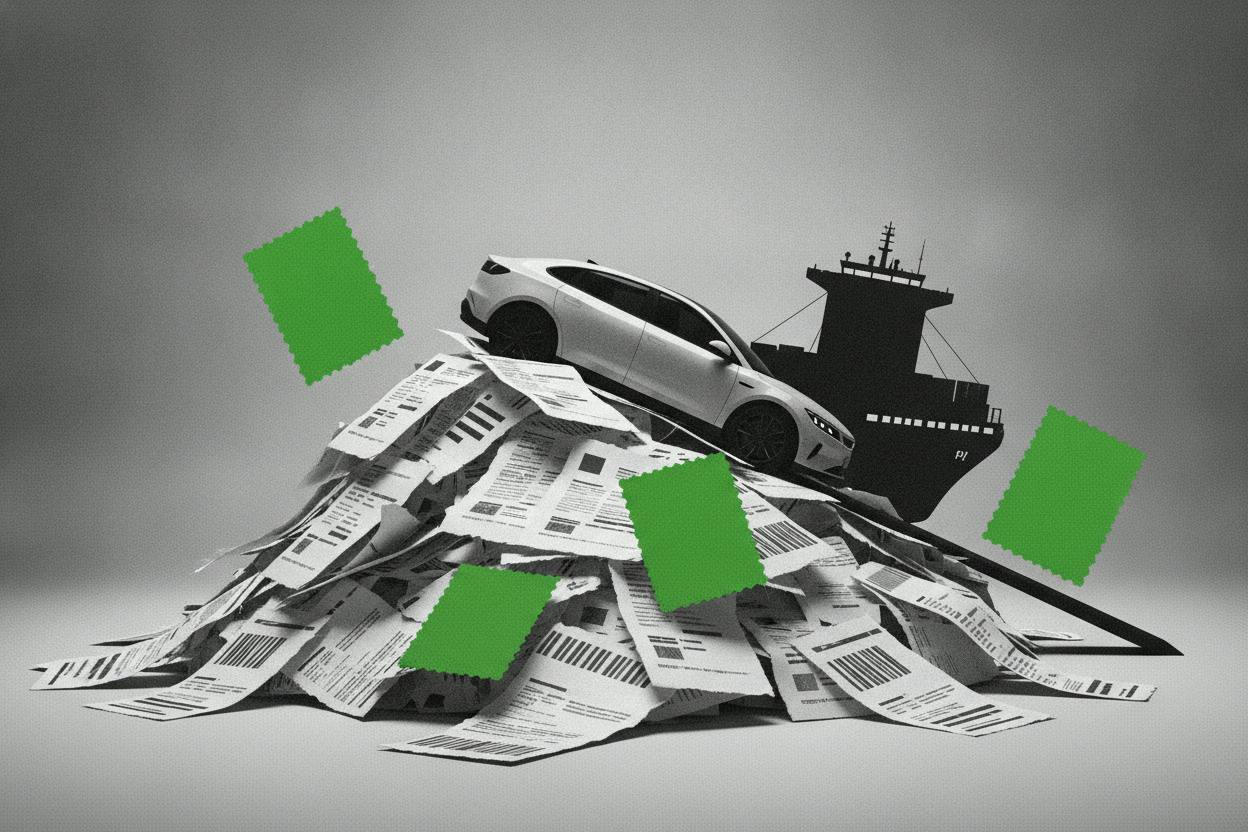
One key factor: trade receivables—sales made on credit that customers haven't paid for yet—climbed by the end of September. That means more of BYD's revenue is sitting on its books as unpaid invoices, tying up cash that could otherwise be used for operations or investment.
Why the overseas push is getting pricier
BYD has been on a global expansion drive, shipping cars to Europe, Southeast Asia, and other markets. While that strategy is boosting volumes, it also brings new costs: building distribution networks, setting up local assembly plants, navigating different regulatory environments, and offering credit terms to dealers and fleet buyers in unfamiliar markets.
These investments are typical for any automaker trying to establish a foothold overseas, but they can weigh on short-term profitability. The rise in trade receivables suggests BYD is extending more credit to overseas partners to win orders—a common tactic but one that increases financial risk if payments are delayed.
At the same time, competition in China's EV market remains intense. Domestic rivals like NIO, XPeng, and a wave of new entrants have been cutting prices and launching new models, pressuring margins across the industry. BYD's home-market sales have softened as a result, making the overseas push even more important for growth—but also more expensive.
What it means for investors
For everyday investors, BYD's results are a reminder that rapid growth often comes with rising costs and cash-flow strain. The company is still highly profitable and growing, but the gap between its earnings and analyst expectations shows that the market is watching how efficiently it manages its expansion.
Trade receivables are worth watching closely. If they keep climbing, it could signal that BYD is relying more on credit to drive sales, which can hurt cash flow and increase the risk of bad debts. On the other hand, if the company can convert those receivables into cash quickly, the overseas push could pay off handsomely in the long run.
Investors should also consider the broader context: BYD is not alone in facing these pressures. Many companies expanding internationally—whether in autos, consumer goods, or other sectors—see their profit growth cool as they invest in new markets. The key question is whether those investments eventually generate returns.
For now, BYD's core business remains solid, with strong revenue growth and record sales volumes. But the third-quarter miss is a signal that the road to global dominance is not without its potholes.
Looking ahead
Investors will likely focus on BYD's next steps: how it manages its cash position, whether it can keep overseas momentum going without eroding margins, and how it navigates ongoing price competition in China. The company's ability to balance growth with profitability will be crucial in the coming quarters.
As with any major automaker, global economic conditions, supply chain costs, and regulatory changes—especially around EV tariffs and incentives—will also play a role. For now, BYD's story is one of expansion, but the price of that expansion is becoming more visible in its financial statements.